

Main Pneumatic Conveying Structures for Grain
When it comes to efficiently handling grain, especially in agricultural and processing operations, the choice of a suitable pneumatic conveying system is crucial. These systems are designed to transport bulk materials like grain through the use of air pressure, offering advantages such as reduced labor costs, improved hygiene, and the ability to handle materials in enclosed environments. For businesses dealing with grain, understanding the different types of pneumatic conveying structures is essential for optimizing their operations. This article will explore the main pneumatic conveying structures used for grain, highlighting their features, applications, and benefits.
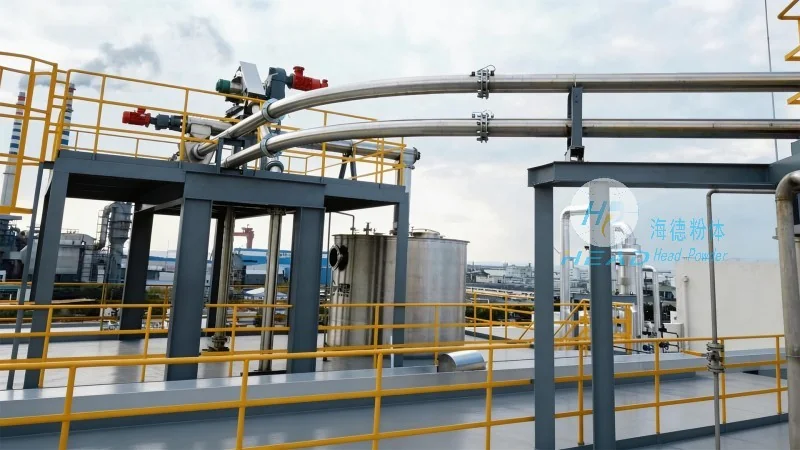
1. Low-Pressure Pneumatic Conveying Systems
Low-pressure pneumatic conveying systems are among the most common types used in grain handling. These systems operate at pressures ranging from 0.5 to 1.5 bar, making them suitable for applications where the distance between the source and destination is relatively short, typically up to 50 meters. The primary advantage of low-pressure systems is their lower energy consumption compared to high-pressure systems. They are often used in scenarios where the grain is being transferred from a storage silo to a processing unit or for short-distance transfers within a facility. The system typically consists of a blower, a hopper, and a pipeline. The grain is fed into the hopper, and as air is introduced, it lifts the grain particles and transports them through the pipeline to the discharge point. Low-pressure systems are particularly effective for handling fine or powdery grains, as the lower air velocity reduces the risk of material degradation or blockages.
2. High-Pressure Pneumatic Conveying Systems
High-pressure pneumatic conveying systems are designed for longer distances and higher material throughput. These systems operate at pressures ranging from 5 to 15 bar, allowing for the transportation of grain over distances of up to several hundred meters. The higher pressure enables the system to handle larger volumes of material and maintain a consistent flow rate. High-pressure systems are commonly used in large-scale grain processing plants, where the grain needs to be transported from storage facilities to processing lines or for long-distance transfers between different parts of the facility. The key components of a high-pressure system include a high-pressure blower, a hopper, and a pipeline with larger diameters to accommodate the higher air flow. The system is capable of handling a wide range of grain types, including coarse grains like wheat and barley, as well as fine grains like rice. The high-pressure design ensures that the grain is transported efficiently without excessive wear on the equipment. However, due to the higher energy requirements, high-pressure systems are generally more expensive to operate compared to low-pressure systems.
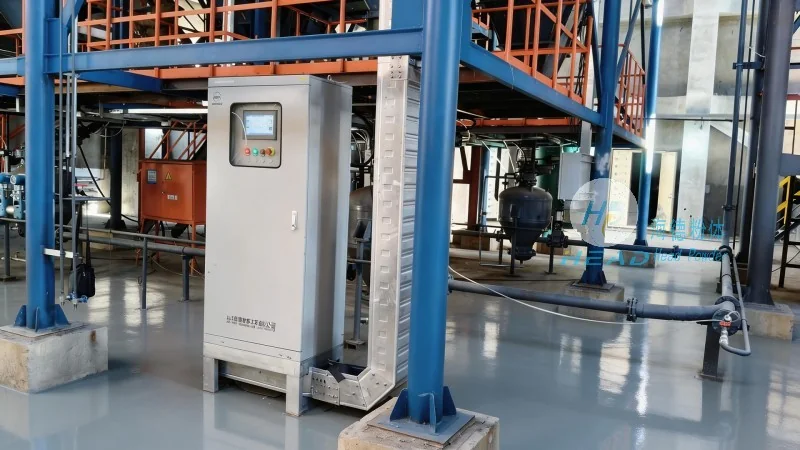
3. Hybrid Pneumatic Conveying Systems
Hybrid pneumatic conveying systems combine elements of both low-pressure and high-pressure systems to provide flexibility and efficiency in grain handling. These systems are designed to handle both short and long-distance transfers, making them suitable for complex operations where the grain needs to be moved between multiple locations within a facility. A hybrid system typically uses a low-pressure section for short-distance transfers and a high-pressure section for longer distances, optimizing energy use based on the specific requirements of the operation. The hybrid approach allows for better control over the conveying process, as the system can adjust the pressure and air flow as needed. This flexibility is particularly beneficial in environments where the grain type or quantity may vary, such as in a grain processing plant that handles different types of grains or varying production volumes. The components of a hybrid system include a combination of low- and high-pressure blowers, hoppers, and pipelines with varying diameters. The system can be configured to operate in either low or high-pressure mode, depending on the distance and material volume being transported.
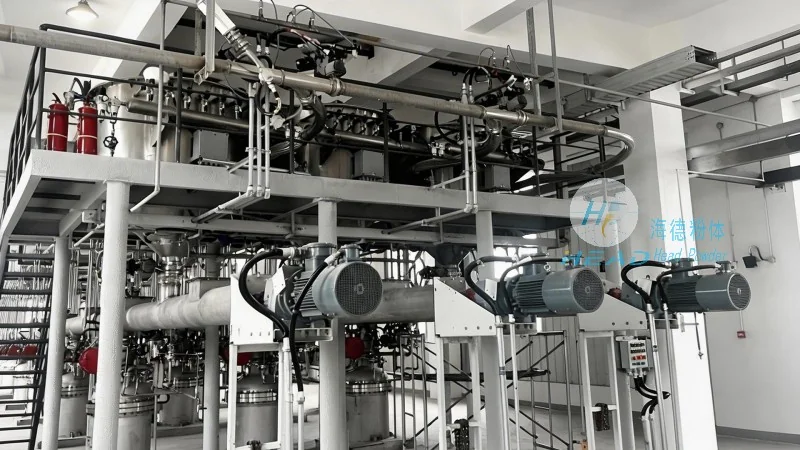
4. Specialized Pneumatic Conveying Structures for Grain
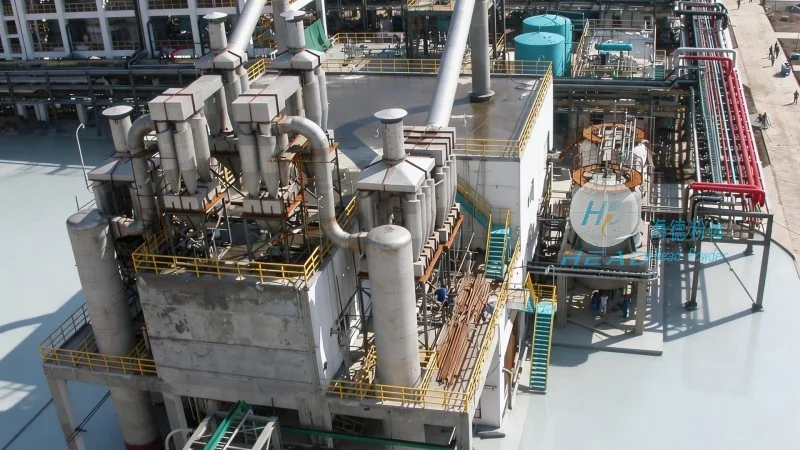
In addition to the standard low, high, and hybrid systems, there are specialized pneumatic conveying structures tailored specifically for grain applications. These specialized designs address unique challenges associated with grain handling, such as the need to prevent material degradation, maintain grain quality, or handle specific grain types with high precision. One such specialized structure is the rotary valve system, which is used to control the flow of grain from the storage silo into the pneumatic conveying pipeline. The rotary valve is designed to handle bulk materials and ensures a consistent flow rate, preventing the grain from being over-pressurized or under-pressurized. Another specialized structure is the cyclone separator, which is used to separate the grain from the air after it has been conveyed. The cyclone works by using centrifugal force to separate the heavier grain particles from the lighter air, allowing the clean air to be discharged and the grain to be collected in a separate container. These specialized components are often integrated into the overall pneumatic conveying system to enhance its performance and ensure the quality of the grain being transported.
5. Key Considerations for Selecting a Pneumatic Conveying Structure for Grain
When selecting a pneumatic conveying structure for grain, several factors need to be considered to ensure optimal performance and efficiency. The first consideration is the distance and volume of grain to be transported. For short distances and low volumes, a low-pressure system may be sufficient, while for long distances and high volumes, a high-pressure or hybrid system is more appropriate. The second factor is the type of grain being handled. Different grains have different characteristics, such as particle size, moisture content, and density, which can affect the choice of system. For example, fine grains like rice may require a system with lower air velocity to prevent breakage, while coarse grains like wheat can handle higher air velocities. The third consideration is the operating environment. If the system is to be used in an enclosed facility, a system with better dust control and hygiene features is recommended. Additionally, the cost of the system and its maintenance should be taken into account, as these factors can impact the overall operational efficiency and profitability of the grain handling operation.
6. Conclusion
In conclusion, the choice of a pneumatic conveying structure for grain is a critical decision that can significantly impact the efficiency and effectiveness of grain handling operations. Whether using a low-pressure, high-pressure, or hybrid system, or a specialized structure tailored to specific grain types, the key is to select a system that meets the specific requirements of the operation. By understanding the features and applications of each type of pneumatic conveying structure, businesses can make informed decisions that lead to improved productivity, reduced costs, and better grain quality. As a leading provider of engineering solutions for grain handling, Shandong HeadPowder Engineering Co., Ltd. specializes in designing and manufacturing high-quality pneumatic conveying systems tailored to the needs of the grain industry. With years of experience and a commitment to quality, HeadPowder offers a range of pneumatic conveying structures that are designed to meet the highest standards of performance and reliability. Whether you are a small-scale farmer or a large-scale grain processing plant, HeadPowder can provide the solutions you need to optimize your grain handling operations.