

The Role of Pneumatic Conveying in PUR Conveying
When it comes to handling polyurethane (PUR) materials, the choice of material handling system is critical for efficiency, safety, and overall production quality. Pneumatic conveying has emerged as a highly effective solution for transporting PUR powders and granules, offering advantages that traditional methods may struggle to match. This article explores the role of pneumatic conveying in the context of PUR material handling, highlighting its benefits and practical applications.
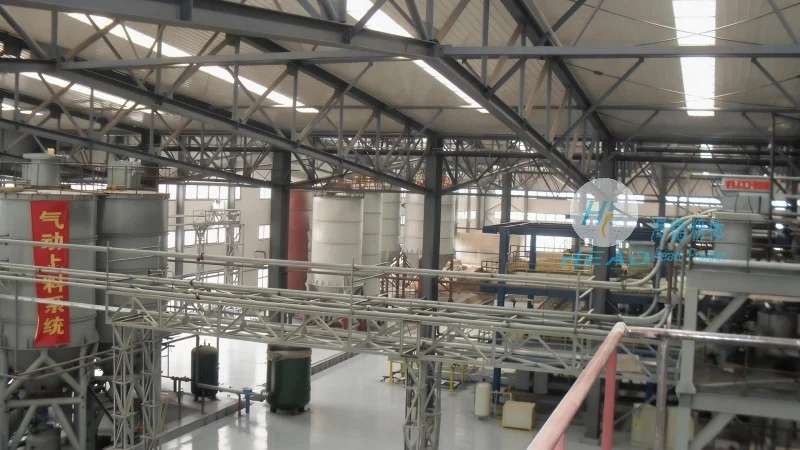
PUR Material Handling Challenges and the Need for Advanced Solutions
Polyurethane is a versatile polymer used in a wide range of industries, from automotive and construction to manufacturing and packaging. Handling PUR materials, especially in their powdered or granular form, presents unique challenges. These challenges include the need for precise control over material flow, prevention of dust contamination, and ensuring consistent material quality. Traditional methods like belt conveyors or manual handling often fall short in meeting these demands, leading to inefficiencies and potential product contamination. The introduction of pneumatic conveying systems addresses these challenges by providing a closed-loop, dust-free environment that maintains the integrity of PUR materials throughout the conveying process.
Understanding Pneumatic Conveying Systems
Pneumatic conveying systems utilize air or gas to transport bulk materials like PUR powders and granules through a network of pipes. These systems can be categorized into two main types: pressure and vacuum. Pressure systems use compressed air to push material through the system, while vacuum systems use a vacuum to draw material into the conveying line. For PUR materials, which are often sensitive to moisture and contamination, pressure systems are commonly preferred due to their ability to maintain a positive pressure environment that prevents external air and contaminants from entering the system. This feature is crucial for preserving the quality of PUR materials, which can degrade if exposed to moisture or impurities.
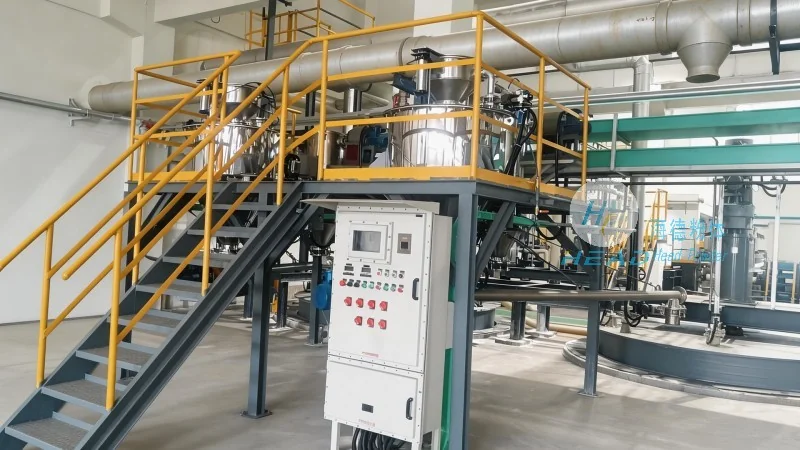
The Benefits of Pneumatic Conveying for PUR Handling
Implementing pneumatic conveying for PUR material handling offers several key benefits. First, it provides a dust-free and clean environment, which is essential for maintaining product purity and meeting stringent quality standards. Unlike open conveyors, pneumatic systems keep PUR powders contained within the system, reducing the risk of dust dispersion and contamination. Second, pneumatic conveying allows for precise control over material flow rates and direction, enabling seamless integration with other production processes. This control is vital for applications where consistent material delivery is required, such as in mixing, compounding, or molding operations. Third, the closed-loop design of pneumatic systems enhances safety by eliminating the need for manual handling of bulk materials, reducing the risk of accidents and exposure to potential hazards. Additionally, pneumatic conveying can improve overall production efficiency by minimizing downtime associated with material transfer and reducing the need for frequent cleaning and maintenance of equipment.
Application Examples in PUR Manufacturing
Pneumatic conveying is widely used in various stages of PUR manufacturing. For instance, in the production of PUR foams, the raw materials, including polyols and isocyanates, are often transported using pneumatic systems to ensure a consistent and controlled feed into the mixing and reaction processes. Similarly, in the compounding of PUR resins for coatings or adhesives, pneumatic conveying helps in the precise blending of additives and fillers with the base resin, ensuring uniformity in the final product. Another common application is in the handling of PUR granules used in extrusion or injection molding processes. The ability of pneumatic systems to transport granules efficiently and without degradation makes them ideal for these high-speed manufacturing operations. Companies like Shandong HeadPowder Engineering Co., Ltd., based in China, specialize in designing and manufacturing pneumatic conveying systems tailored to the specific needs of PUR manufacturers, ensuring optimal performance and reliability.
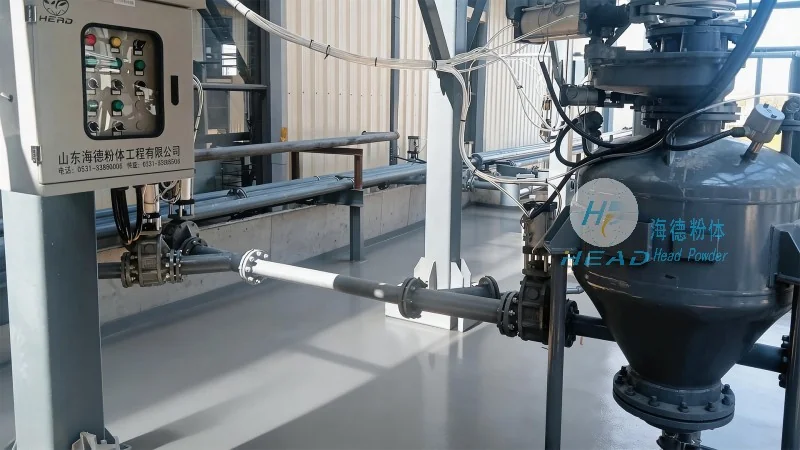
Key Considerations for Selecting a Pneumatic Conveying System for PUR Handling
When selecting a pneumatic conveying system for PUR material handling, several factors must be considered to ensure optimal performance and compatibility with the material. First, the system must be designed to handle the specific properties of PUR powders or granules, such as their particle size, density, and flow characteristics. The choice of conveying type (pressure or vacuum) depends on the distance and layout of the material transfer path. For longer distances or complex layouts, pressure systems may be more suitable due to their higher pressure capabilities and ability to maintain material flow. Second, the system must be constructed from materials that are compatible with PUR and do not cause contamination. Materials like stainless steel or specialized plastics are commonly used to prevent chemical reactions or material adhesion. Third, the system should incorporate features that enhance material handling efficiency, such as in-line mixers or filters to maintain material consistency and prevent blockages. Additionally, the system should be equipped with monitoring and control systems to allow for real-time adjustments and maintenance, ensuring continuous operation and minimizing downtime.
Conclusion
Pneumatic conveying plays a vital role in the efficient and safe handling of polyurethane (PUR) materials. By providing a dust-free, controlled environment and precise material control, pneumatic systems address the unique challenges associated with PUR processing. The benefits of improved product quality, enhanced safety, and increased production efficiency make pneumatic conveying an essential component in modern PUR manufacturing. Companies like Shandong HeadPowder Engineering Co., Ltd. offer specialized solutions tailored to the needs of PUR manufacturers, helping to optimize material handling processes and improve overall production outcomes. As the demand for high-quality PUR products continues to grow, the role of advanced material handling systems like pneumatic conveying will remain critical in meeting industry standards and maintaining competitive advantage.