

Types, Features, and Application Ranges of Quartz Sand Particle Pneumatic Conveying
Quartz sand particle pneumatic conveying is a critical process in material handling, particularly for industries dealing with fine or granular materials like quartz sand. This method involves transporting solid particles through a pipeline using a gas stream, typically air. The technology offers several advantages over traditional mechanical conveying systems, including reduced equipment wear, lower maintenance costs, and the ability to handle materials in a dust-free environment. As a key component in many industrial applications, understanding the types, features, and application ranges of quartz sand particle pneumatic conveying is essential for optimizing material handling operations.
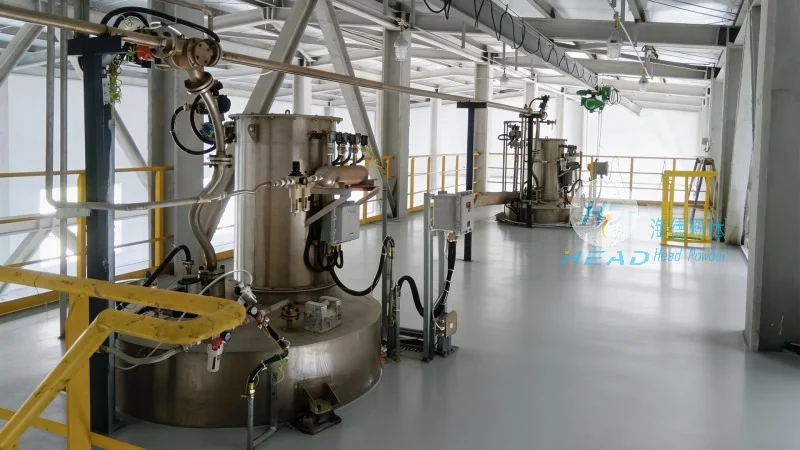
About HeadPowder: Expert in Quartz Sand Handling Solutions
HeadPowder, or Shandong HeadPowder Engineering Co., Ltd., is a leading provider of specialized material handling equipment and systems, with a strong focus on quartz sand and similar granular materials. Based in Shandong, China, the company has built a reputation for delivering high-quality, reliable pneumatic conveying solutions tailored to the unique needs of various industries. With years of experience in the field, HeadPowder combines technical expertise with customer-centric approaches to ensure efficient and effective material transport solutions. The company’s commitment to innovation and quality has made it a trusted partner for businesses seeking to enhance their material handling processes.
Types of Quartz Sand Particle Pneumatic Conveying Systems
There are primarily three types of pneumatic conveying systems used for quartz sand particles: suction (or vacuum) systems, pressure systems, and combined (or mixed) systems. Each type has distinct characteristics and is suitable for different operational conditions and material handling requirements. Suction systems use a vacuum to draw material from the source to the destination, making them ideal for applications where the material is to be transported over short distances or where the source is at a lower elevation than the destination. Pressure systems, on the other hand, use compressed air to push the material through the pipeline, which is suitable for longer distances or when the material needs to be transported to a higher elevation. Combined systems integrate both suction and pressure capabilities, allowing for more flexible and versatile material handling, especially in complex layouts or when dealing with varying material flow rates.
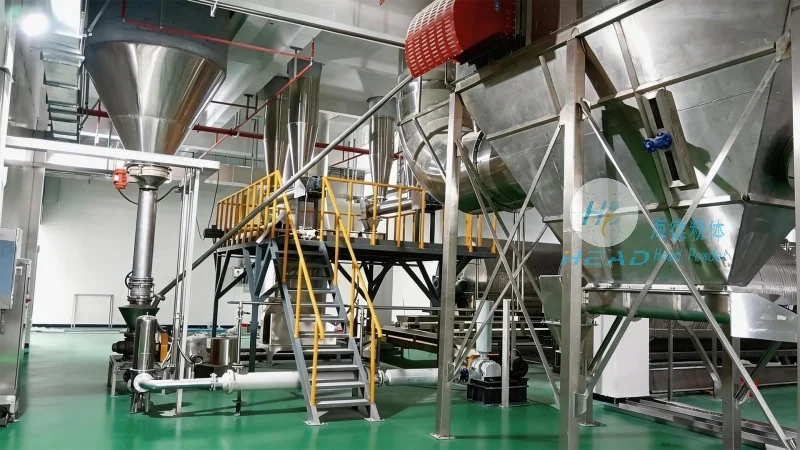
Key Features of Quartz Sand Particle Pneumatic Conveying
The advantages of quartz sand particle pneumatic conveying systems are numerous and contribute significantly to their widespread adoption in industrial settings. One of the most notable features is the high efficiency in material transport, as the system can move large volumes of quartz sand quickly and reliably. This efficiency is further enhanced by the ability to handle fine particles without the risk of clogging or blockages, which are common issues in mechanical conveying systems. Additionally, pneumatic conveying systems offer low maintenance requirements compared to traditional equipment, as there are fewer moving parts and less wear and tear on components. The dust-free operation is another critical feature, as it helps maintain a clean and safe working environment, reducing the risk of respiratory issues and other health hazards associated with handling fine powders. Furthermore, the flexibility of these systems allows for easy integration into existing production lines, making them a cost-effective solution for businesses looking to upgrade or expand their material handling capabilities.
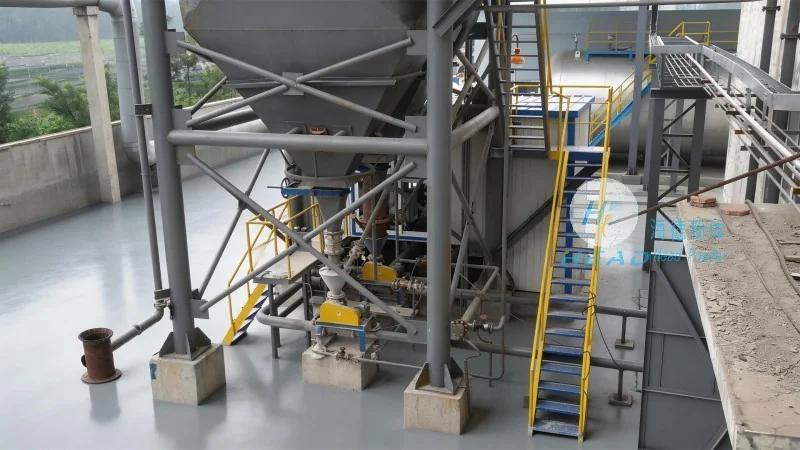
Application Ranges of Quartz Sand Particle Pneumatic Conveying
Quartz sand particle pneumatic conveying systems find extensive applications across various industries due to their versatility and efficiency. In the construction industry, these systems are commonly used for transporting quartz sand to concrete mixing plants, sandblasting operations, and other construction sites, ensuring a consistent and reliable supply of material. The glass manufacturing industry also relies heavily on pneumatic conveying for transporting quartz sand to furnaces and other processing equipment, where the material is used as a raw ingredient in glass production. The ceramics and refractory industries utilize these systems to move quartz sand to kilns and other processing units, where the sand is used to produce high-quality ceramic products and refractory materials. Additionally, in the chemical and pharmaceutical industries, pneumatic conveying is used to transport quartz sand as a filler or abrasive material, ensuring that the material is handled in a controlled and safe manner. The adaptability of these systems makes them suitable for a wide range of applications, from small-scale operations to large industrial facilities.
Conclusion: Choosing the Right Quartz Sand Pneumatic Conveying Solution
When selecting a quartz sand particle pneumatic conveying system, it is essential to consider the specific requirements of the application, including the distance, elevation changes, material characteristics, and operational environment. HeadPowder, with its expertise and experience, offers a range of customized solutions that cater to these diverse needs. By leveraging advanced technology and a deep understanding of material handling processes, HeadPowder ensures that clients receive systems that are not only efficient and reliable but also cost-effective and easy to maintain. Whether it is a suction, pressure, or combined system, HeadPowder provides comprehensive support from design and installation to ongoing maintenance, helping businesses optimize their material handling operations and achieve their production goals. With a strong commitment to quality and customer satisfaction, HeadPowder remains a leading choice for industries seeking top-tier quartz sand handling solutions.