

What is a Mobile Powder Pneumatic Conveying System? And What Are Its Design Principles?
For industrial operations dealing with bulk powder materials, the efficiency and reliability of material handling systems are paramount. Among the various solutions available, the mobile powder pneumatic conveying system stands out as a versatile and efficient solution. This article aims to explore what a mobile powder pneumatic conveying system is and delve into its core design principles, providing a comprehensive understanding of this technology.
Understanding the Mobile Powder Pneumatic Conveying System
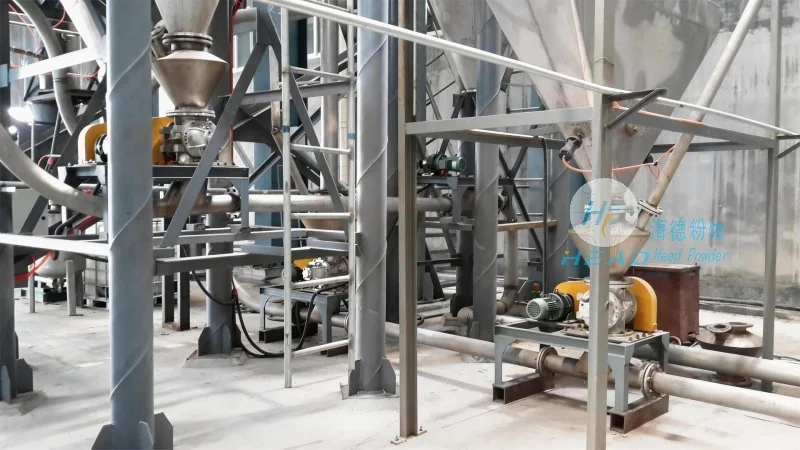
A mobile powder pneumatic conveying system is a specialized equipment designed to transport bulk powder materials from one location to another using compressed air or other gases. Unlike traditional fixed systems, these systems are mounted on a mobile platform, such as a truck or trailer, allowing for flexibility in operation. This mobility makes them ideal for applications where the material source or destination changes frequently, such as in construction sites, mining operations, or agricultural settings. The system typically consists of a hopper for material storage, a blower or compressor to generate the air flow, a pipeline network to carry the powder, and a discharge unit at the destination. The entire setup is compact and can be easily relocated, making it a cost-effective solution for businesses requiring on-the-go material handling capabilities.
Key Components and Their Functions
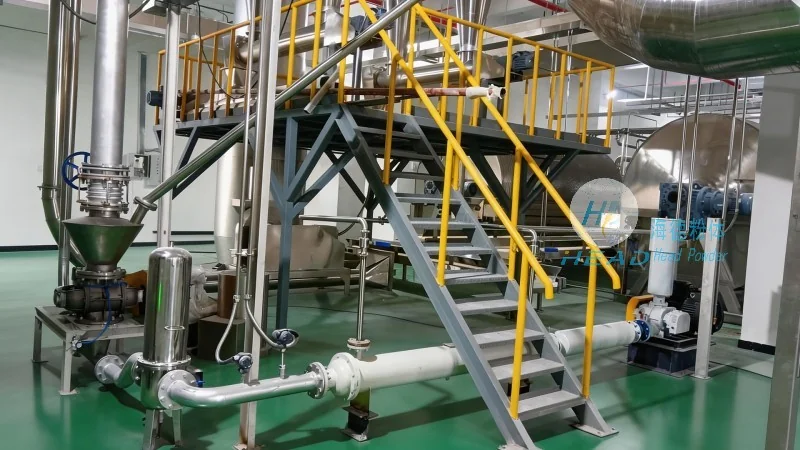
At the heart of a mobile powder pneumatic conveying system are several critical components that work in tandem to ensure smooth operation. The first component is the material hopper, which serves as the storage unit for the bulk powder. This hopper is usually equipped with a feeding mechanism, such as a rotary valve or a gate, that controls the flow of material into the system. The hopper's design is crucial as it must be able to handle the specific characteristics of the powder, such as its density, flowability, and moisture content, to prevent clogging or segregation. Next, the blower or compressor is responsible for generating the air pressure needed to move the powder through the pipeline. There are different types of blowers available, including rotary lobe blowers and centrifugal blowers, each with its own advantages in terms of pressure, flow rate, and energy efficiency. The choice of blower depends on the system's requirements, such as the distance to be covered and the material's properties. The pipeline network is another vital component, consisting of pipes that connect the hopper to the discharge unit. These pipes are typically made of materials like stainless steel or plastic, which are resistant to corrosion and wear from the powder. The pipeline design considers factors like the air velocity needed to keep the powder suspended and the pressure drop along the line to ensure efficient transport. Finally, the discharge unit, often a receiver or a silo, is where the material is deposited at the destination. This unit may include a valve or a gate to control the discharge rate and prevent material spillage. Some systems also incorporate filters or cyclones to separate the powder from the air, ensuring that the material is delivered in a clean and dry state.
The Design Principles Behind Mobile Powder Pneumatic Conveying
The design of a mobile powder pneumatic conveying system is guided by several fundamental principles aimed at optimizing performance, efficiency, and reliability. The first principle is the principle of fluidization, which involves creating a fluid-like state of the powder by suspending it in the air stream. This is achieved by maintaining an appropriate air velocity in the pipeline, which is typically higher than the minimum fluidization velocity of the powder. The fluidization ensures that the powder particles are kept in suspension, preventing them from settling or clogging the pipeline. The second principle is the principle of pressure drop, which refers to the reduction in pressure along the pipeline as the air and powder mixture flows. The design must account for the pressure drop to ensure that the blower or compressor can provide sufficient pressure to overcome the resistance and maintain the flow. This involves selecting the right pipe diameter, length, and material to minimize the pressure drop while maximizing the conveying capacity. The third principle is the principle of material compatibility, which considers the interaction between the powder and the system components. The hopper, pipeline, and discharge unit must be made of materials that are compatible with the powder's chemical and physical properties to prevent corrosion, abrasion, or contamination. For example, if the powder is corrosive, the system components may need to be made of stainless steel or other corrosion-resistant materials. The fourth principle is the principle of energy efficiency, which focuses on minimizing the energy consumption of the system. This involves selecting an appropriate blower or compressor that provides the necessary pressure and flow at the lowest possible energy input. The design may also include features like variable speed drives to adjust the air flow based on the material load, further improving energy efficiency. Finally, the principle of mobility and flexibility is a key consideration for mobile systems. The design must ensure that the system can be easily relocated and set up at different sites without requiring extensive modifications. This includes using compact and lightweight components, as well as providing easy access for maintenance and repairs.
Applications and Benefits of Mobile Powder Pneumatic Conveying Systems
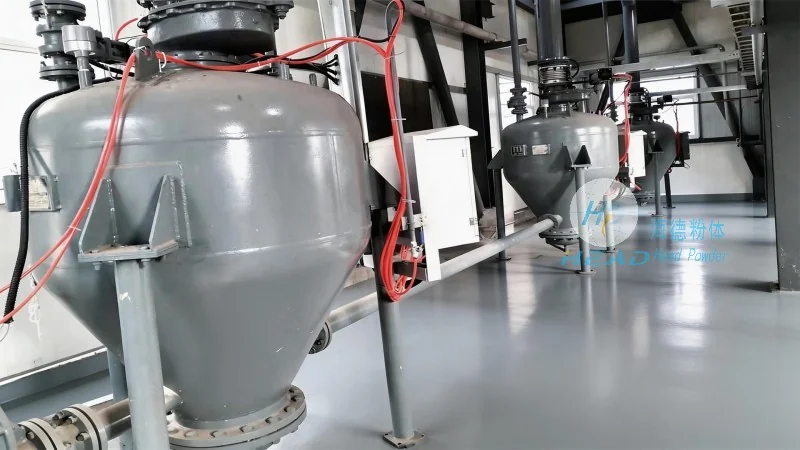
The mobile powder pneumatic conveying system is widely used in various industries due to its versatility and efficiency. In the construction industry, it is commonly used to transport cement, sand, and other building materials from storage to the job site. The mobility of the system allows for easy access to different construction areas, reducing the need for multiple fixed conveyors and saving time and labor. In the mining industry, it is used to transport ore from the mine to processing facilities or to different storage areas. The system's ability to handle abrasive and heavy materials makes it suitable for this application. In the agricultural sector, it is used to transport grain, fertilizer, and other agricultural products from storage to processing or distribution centers. The system's flexibility allows farmers to move materials between different fields or storage units as needed. The benefits of using a mobile powder pneumatic conveying system are numerous. First, it offers high conveying capacity, allowing for the transport of large quantities of material in a short amount of time. This increases productivity and reduces the time required for material handling. Second, it provides a clean and dust-free operation, as the powder is kept in suspension and does not come into direct contact with the environment. This improves safety and reduces the risk of dust-related health issues. Third, it is a low-maintenance system, as the components are designed to be durable and resistant to wear and tear. The mobile design also reduces the need for extensive infrastructure, such as fixed pipelines or buildings, making it a cost-effective solution for businesses. Fourth, it offers flexibility in operation, allowing the system to be used in various locations and for different applications. This makes it a versatile tool for businesses that require on-the-go material handling capabilities.
Conclusion
In conclusion, a mobile powder pneumatic conveying system is a sophisticated and efficient solution for transporting bulk powder materials. Its design is based on several key principles, including fluidization, pressure drop management, material compatibility, energy efficiency, and mobility. The system consists of several critical components, such as the hopper, blower, pipeline, and discharge unit, each playing a vital role in the overall operation. The system's versatility and flexibility make it suitable for various industries, including construction, mining, and agriculture. The benefits of using this technology include high conveying capacity, clean operation, low maintenance, and cost-effectiveness. As industrial operations continue to demand more efficient and reliable material handling solutions, the mobile powder pneumatic conveying system remains a popular choice for businesses looking to optimize their material transport processes.