

What is a Sulfur Tablet Powder Pneumatic Conveying Line? Design Principles Explained
For industrial applications involving sulfur tablets, efficient and reliable material handling is crucial. A sulfur tablet powder pneumatic conveying line is a specialized system designed to transport these solid particles through a pipeline using air or other gas as the conveying medium. This technology offers numerous advantages over traditional mechanical conveying methods, making it an ideal solution for various processing and manufacturing environments. Shandong HeadPowder Engineering Co., Ltd. specializes in designing and manufacturing such systems to meet the specific needs of clients in the chemical and industrial sectors.
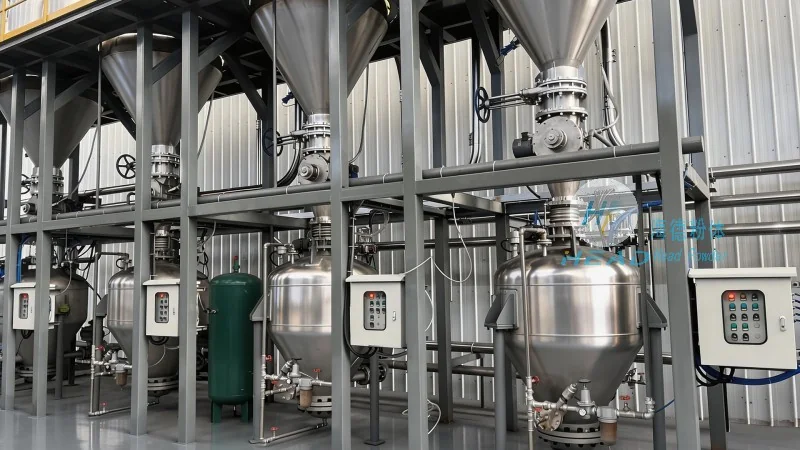
Understanding the Core Components of a Sulfur Tablet Powder Pneumatic Conveying Line
The system typically consists of several key components that work in tandem to ensure smooth operation. The primary elements include a hopper or feeder for material storage and feeding, a conveying pipeline where the sulfur tablets are transported, and a receiver or discharge unit for the final product. Additionally, a blower or compressor provides the necessary air pressure to move the material through the system. The design of each component is critical to the overall efficiency and effectiveness of the conveying process.
Design Principles Behind Sulfur Tablet Powder Pneumatic Conveying
The design principles of a sulfur tablet powder pneumatic conveying line are centered on optimizing material flow, minimizing particle degradation, and ensuring system reliability. One of the fundamental principles is the selection of appropriate air velocity and pressure. The air velocity must be high enough to overcome the gravitational forces acting on the sulfur tablets but low enough to prevent excessive wear on the pipeline and components. This balance is achieved through careful calculation of the material's bulk density and particle size distribution.
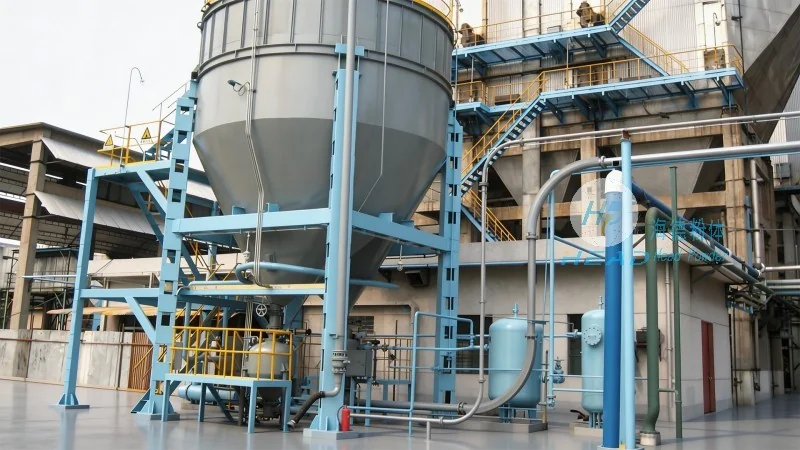
Another key design principle is the consideration of the material's physical properties. Sulfur tablets can vary in size, shape, and density, which directly impacts the conveying efficiency. For example, smaller particles may require higher air velocities to maintain suspension, while larger tablets might need a different feeding mechanism to prevent blockages. Engineers must account for these variations to design a system that can handle the specific characteristics of the sulfur tablets being processed.
How the Conveying Process Works in Practice
The operation of a sulfur tablet powder pneumatic conveying line begins with the material being fed from the hopper into the conveying pipeline. The blower then generates a high-pressure air stream that pulls the sulfur tablets into the pipeline, creating a dense phase or dilute phase flow depending on the system design. In dense phase conveying, the material is transported in a compacted form, which reduces particle attrition and is ideal for delicate materials like sulfur tablets. Dilute phase conveying, on the other hand, uses lower air velocities and is suitable for larger particles or when longer conveying distances are required.
As the sulfur tablets travel through the pipeline, they are continuously mixed with the air stream, preventing caking or agglomeration. The receiver at the end of the line collects the material and separates it from the air using a filter or cyclone. The clean air is then discharged back into the environment or recirculated, depending on the system's configuration. This process ensures that the sulfur tablets are delivered to the destination without loss or contamination.
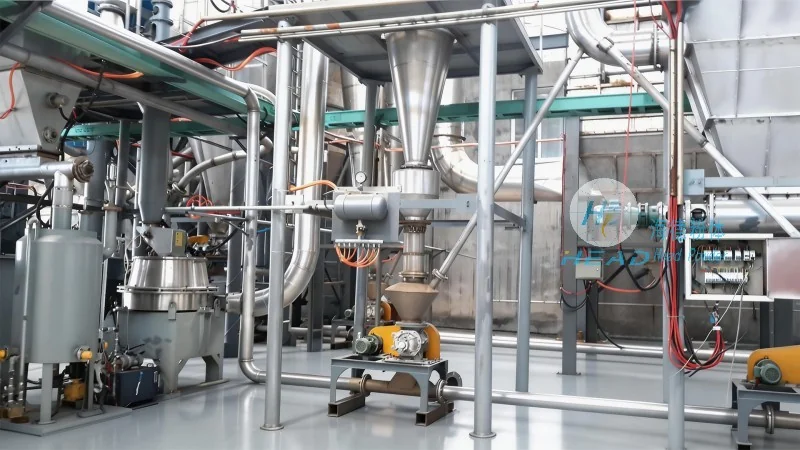
Advantages of Using a Pneumatic Conveying System for Sulfur Tablets
Compared to traditional mechanical conveying methods, such as screw conveyors or belt conveyors, a pneumatic conveying line offers several advantages for handling sulfur tablets. One of the most significant benefits is the ability to transport materials over long distances without the need for multiple transfer points. This reduces the risk of material degradation and contamination, which is particularly important for sulfur tablets that may be sensitive to moisture or temperature changes.
Additionally, pneumatic conveying systems are more flexible in terms of layout and installation. They can be easily adapted to existing industrial setups and can handle changes in material flow rates or processing requirements. The system also provides better control over the material's temperature and moisture content, as the air stream can be conditioned to maintain optimal conditions during transport.
Key Considerations for Designing an Effective Sulfur Tablet Powder Pneumatic Conveying Line
When designing a sulfur tablet powder pneumatic conveying line, several factors must be carefully considered to ensure optimal performance. First, the material's properties, such as particle size, density, and flowability, must be thoroughly analyzed. This information is used to determine the appropriate air velocity, pressure, and pipeline diameter. Second, the system's layout and the distance between the feeder and receiver must be optimized to minimize energy consumption and maximize conveying efficiency.
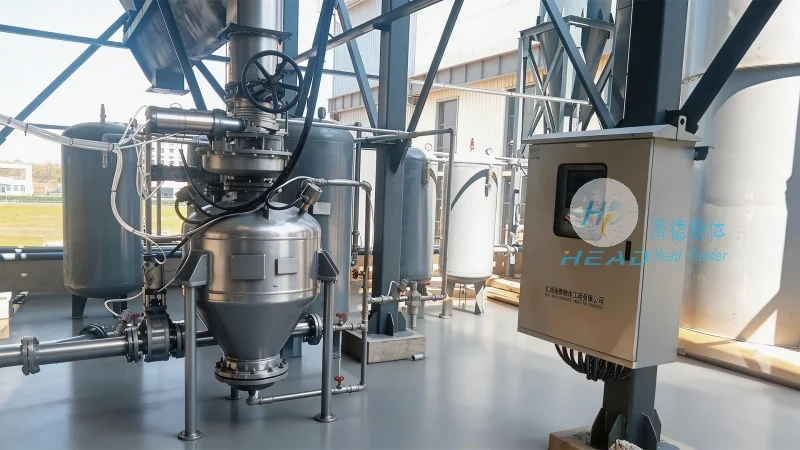
Third, the selection of materials for the pipeline and components is critical. Sulfur tablets can be corrosive or abrasive, so the system must be constructed from materials that can withstand these conditions, such as stainless steel or specialized coatings. Finally, the system must be equipped with proper safety features, including pressure relief valves and air filtration systems, to prevent accidents and ensure compliance with industrial safety regulations.
Conclusion: The Importance of a Well-Designed Sulfur Tablet Powder Pneumatic Conveying Line
In conclusion, a sulfur tablet powder pneumatic conveying line is a highly effective and efficient solution for transporting solid materials in industrial applications. By understanding the design principles and components of such a system, engineers can create a reliable and durable solution that meets the specific needs of their processing environment. The use of pneumatic conveying technology not only improves material handling efficiency but also enhances product quality and safety, making it a valuable investment for any facility dealing with sulfur tablets.