

Slag Pneumatic Conveying Technology: In-Depth Analysis of Negative Pressure and Positive Pressure Sy
Shandong HeadPowder Engineering Co., Ltd. is a professional manufacturer and supplier specializing in pneumatic conveying systems, particularly for slag handling. With a strong focus on technological innovation and customer-centric solutions, the company has established itself as a key player in the industrial material transport sector. HeadPowder's headquarters is located in Shandong, China, where the company leverages local industrial resources and expertise to develop cutting-edge solutions for clients worldwide.
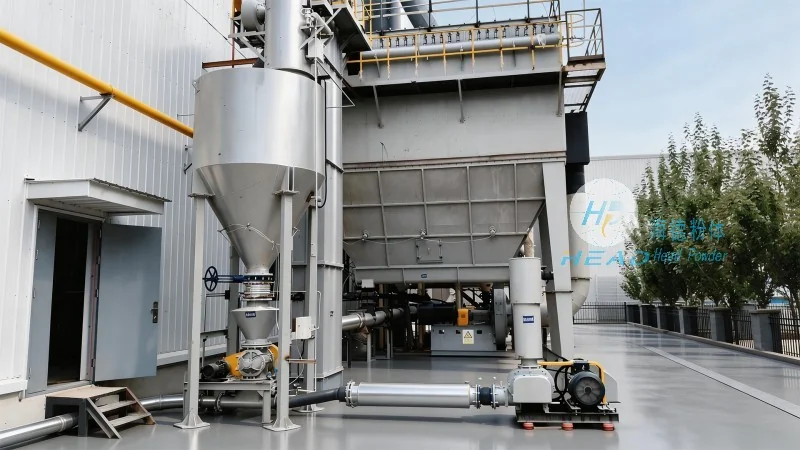
Introduction to Slag Pneumatic Conveying Technology
Pneumatic conveying is a method of transporting bulk materials like slag through a pipeline using air or gas as the conveying medium. This technology offers significant advantages over traditional methods such as belt conveyors or bucket elevators, including reduced labor costs, minimized material contamination, and enhanced safety in handling hazardous or dusty materials. The two primary types of pneumatic conveying systems are negative pressure (or suction) and positive pressure (or pressure) systems, each with distinct characteristics and applications.
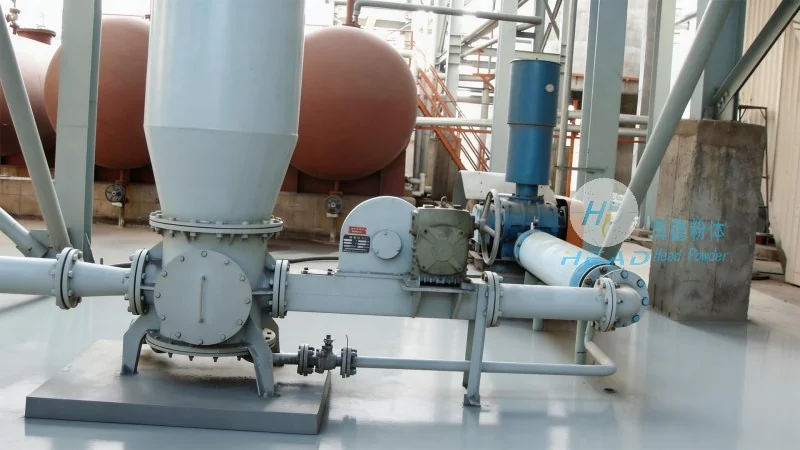
In-Depth Analysis of Negative Pressure Pneumatic Conveying Systems
Negative pressure systems operate by creating a vacuum at the receiving end of the pipeline, drawing material from the source into the system. This approach is particularly effective for conveying materials from multiple points to a single collection point, as it can handle long distances and multiple inlets without the need for complex branching. The key components of a negative pressure system include a suction fan, a hopper or feeder, and a filter to capture fine particles. The system's design must consider factors such as the material's density, flowability, and dust content to ensure efficient and reliable operation. For slag, negative pressure systems are often used in applications where the material is generated at a central point and needs to be transported to a processing facility or storage area. The vacuum created by the fan ensures that the material is drawn through the pipeline without the need for additional mechanical feeders, making it suitable for handling materials with varying particle sizes and moisture content.
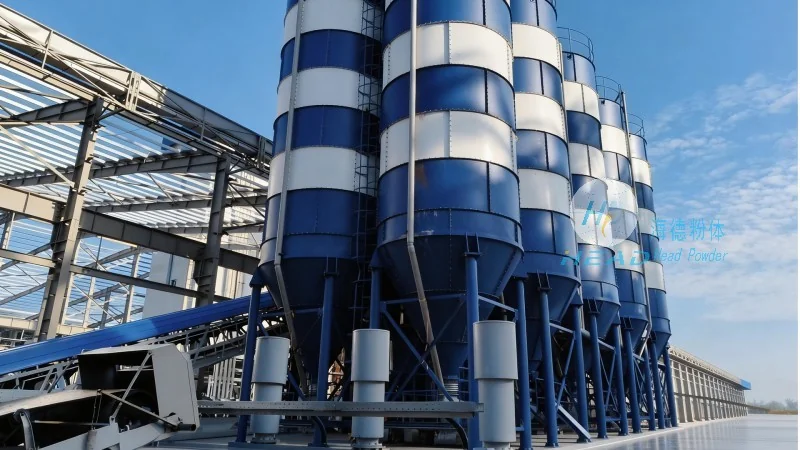
In-Depth Analysis of Positive Pressure Pneumatic Conveying Systems
Positive pressure systems, on the other hand, use a blower or compressor to force air or gas through the pipeline, pushing the material from the source to the destination. This method is ideal for conveying materials over shorter distances or when the material needs to be distributed to multiple points from a single source. The system typically includes a feeder, a pressure vessel, and a discharge valve. The pressure applied to the material ensures that it moves through the pipeline without clogging, making it suitable for handling cohesive or sticky materials like slag. Positive pressure systems are often preferred in applications where the material is generated at a fixed location and needs to be transported to various processing units or storage sites. The ability to control the pressure and flow rate allows for precise material handling, reducing the risk of material degradation or spillage. Additionally, positive pressure systems can handle higher material loads and are more efficient for short to medium distance conveying compared to negative pressure systems.
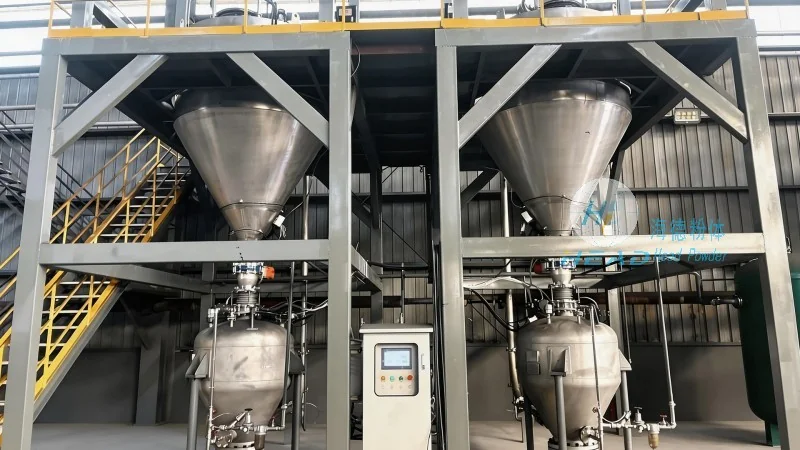
Comparison and Application Scenarios of Negative vs. Positive Pressure Systems
When selecting between negative and positive pressure pneumatic conveying systems for slag transport, several factors must be considered. The primary difference lies in the direction of air flow and the method of material movement. Negative pressure systems are generally more suitable for long-distance, multi-source applications where the material is collected from various points and transported to a central location. They are also advantageous in environments where dust control is critical, as the vacuum helps to contain particles within the system. Positive pressure systems, however, excel in short to medium distance conveying, especially when the material needs to be distributed to multiple destinations from a single source. They are more efficient for handling high-volume loads and can handle materials with higher moisture content or stickiness. The choice of system also depends on the specific characteristics of the slag, such as its particle size distribution, density, and flowability. For example, fine-grained slag with high dust content may be better suited for negative pressure systems due to the reduced risk of dust escape, while coarser, more cohesive slag may benefit from the higher pressure and flow control of positive pressure systems.