

Choosing Between Positive Pressure and Negative Pressure for Soybean Conveying: How to Distinguish?
When it comes to transporting soybeans in industrial settings, selecting the right conveying system is crucial for efficiency, cost-effectiveness, and operational safety. Two primary methods dominate the industry: positive pressure conveying and negative pressure conveying. Understanding the differences between these two approaches is essential for making an informed decision that aligns with specific production requirements. This article, brought to you by Shandong HeadPowder Engineering Co., Ltd. (HeadPowder), will explore the key characteristics, advantages, and applications of both positive and negative pressure systems, providing a clear framework for distinguishing between them.
Understanding Positive Pressure Conveying
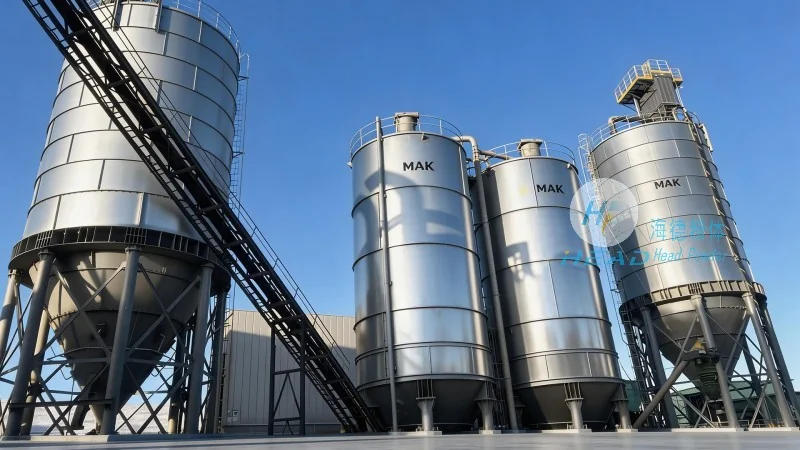
Positive pressure conveying, also known as pressure or forced air systems, operates by blowing air or gas into the conveying line to move material. The system creates a pressure differential, where the conveying air is under pressure and forces the material forward. This method is often used for short to medium distance conveying and is particularly effective for handling bulk materials like soybeans that may be dusty or have a tendency to clump. The primary advantage of positive pressure systems is their ability to handle high volumes of material with minimal pressure loss, making them suitable for applications where consistent flow rates are critical. Additionally, these systems can be easily integrated with other processing equipment, such as cleaning or drying units, as the material is transported under a controlled pressure environment.
Key Features of Positive Pressure Conveying
Positive pressure conveying systems typically feature a blower or fan that generates the necessary air pressure. The material is fed into the system through a hopper or feeder, and the air stream carries the soybeans through the pipeline to the discharge point. The design of these systems often includes components like cyclones or filters to separate the material from the air, ensuring that the conveyed soybeans remain clean and free from dust. This separation process is vital for maintaining product quality, especially in applications where the soybeans will be further processed or used in food products. The efficiency of positive pressure systems is also enhanced by their ability to handle abrasive materials without significant wear on the equipment, as the air flow reduces friction between the material particles and the pipeline walls.
Understanding Negative Pressure Conveying
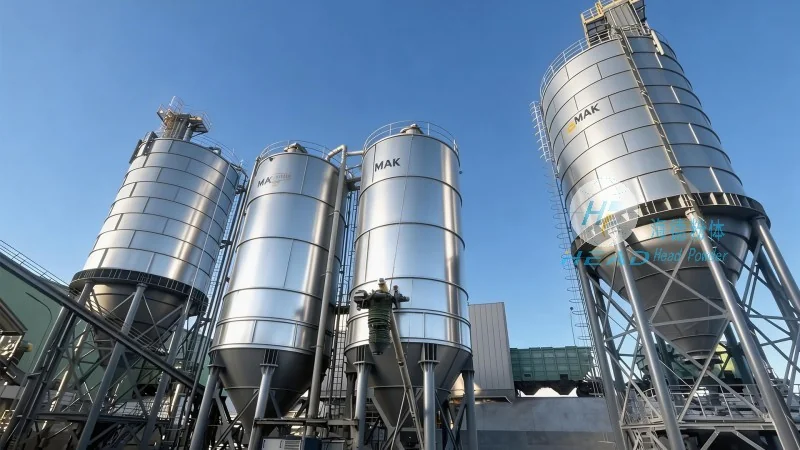
Negative pressure conveying, or vacuum systems, works by creating a vacuum in the conveying line, which draws the material into the system. The air is pulled through the line, carrying the soybeans from the source to the destination. This method is commonly used for longer distances and in applications where the material needs to be transported from a higher elevation to a lower one. The primary advantage of negative pressure systems is their ability to handle fine powders or dust without the need for high air velocities, as the vacuum draws the material in a more controlled manner. This reduces the risk of material loss or contamination, making it suitable for sensitive products like soybeans that require careful handling. Additionally, negative pressure systems are often quieter and more energy-efficient for long-distance conveying, as they do not require the high pressure levels associated with positive pressure systems.
Key Features of Negative Pressure Conveying
Negative pressure conveying systems rely on a vacuum pump or fan to create the necessary suction. The material is fed into the system through a hopper, and the vacuum pulls the soybeans through the pipeline to the discharge point. The design of these systems includes components like cyclones or filters to separate the material from the air, ensuring that the soybeans are collected efficiently. Unlike positive pressure systems, negative pressure systems may require more maintenance due to the higher air flow rates and the potential for dust accumulation in the vacuum pump. However, the benefits of reduced noise and energy consumption often outweigh these considerations for applications where long-distance or elevated conveying is required.
Distinguishing Between Positive and Negative Pressure Systems
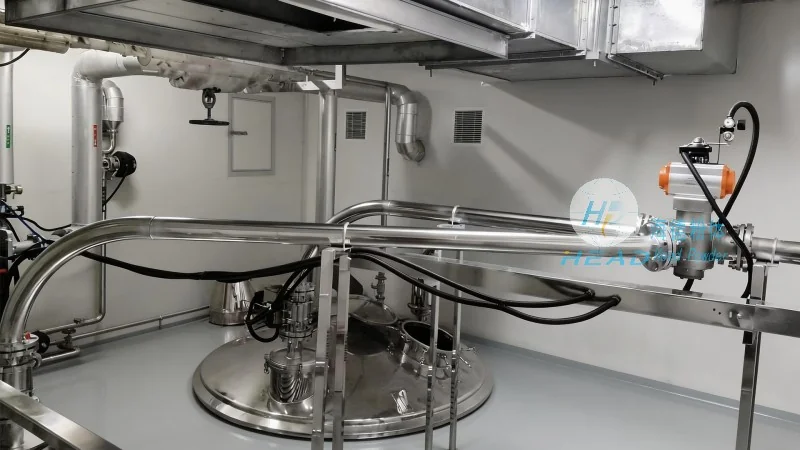
Choosing between positive and negative pressure conveying for soybean transport depends on several factors, including the distance of the conveying line, the elevation change, the material characteristics, and the desired flow rate. Here are some key points to consider when making the distinction:
- Conveying Distance and Elevation: Positive pressure systems are generally more suitable for short to medium distances and when the material needs to be transported to a higher elevation. Negative pressure systems are better for longer distances and when the material is being transported from a higher to a lower elevation.
- Material Characteristics: If the soybeans are dusty or have a tendency to clump, positive pressure systems may be preferred due to their ability to handle abrasive materials and maintain consistent flow. For fine powders or sensitive products, negative pressure systems are often more appropriate as they minimize the risk of material loss and contamination.
- Energy Efficiency and Noise: Negative pressure systems are typically more energy-efficient for long-distance conveying and produce less noise compared to positive pressure systems, which can be advantageous in industrial settings where noise levels are a concern.
- Integration with Processing Equipment: Positive pressure systems are often easier to integrate with other processing units, such as cleaning or drying equipment, as the material is transported under pressure. Negative pressure systems may require additional components to handle the vacuum and ensure proper material transfer.
Conclusion: Making the Right Choice for Soybean Conveying
Ultimately, the choice between positive and negative pressure conveying for soybean transport depends on a careful evaluation of the specific operational requirements and constraints. By understanding the characteristics and applications of each system, as outlined above, industrial operators can select the most appropriate conveying method to ensure efficient, cost-effective, and safe transport of soybeans. Whether using positive pressure for short-distance, high-volume applications or negative pressure for long-distance, elevated transport, the key is to align the system with the material's properties and the production goals. With the right system in place, soybean conveying can be optimized to meet the demands of modern industrial processing, ensuring consistent quality and operational efficiency.