

Application and Optimization of Pneumatic Conveying Technology in Coal Fly Ash Transport Design
Coal fly ash, a byproduct of coal combustion, poses significant challenges in handling and transportation due to its fine particle size and potential for dust generation. Traditional methods like belt conveyors or trucks often struggle with the efficiency, safety, and environmental impact associated with moving such materials. Pneumatic conveying technology offers a robust solution, enabling the efficient and controlled transport of coal fly ash while minimizing operational risks and environmental footprint. This article explores the application and optimization of pneumatic conveying systems specifically tailored for coal fly ash transport, highlighting the technical advancements and practical benefits offered by advanced engineering solutions.
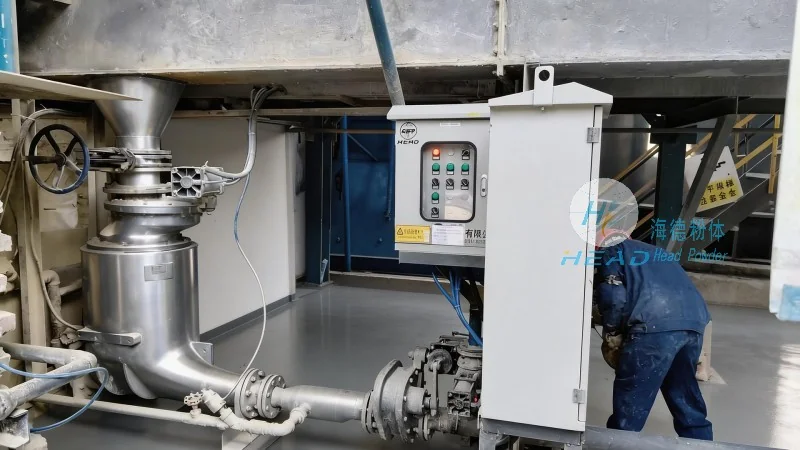
HeadPowder Engineering: Expertise in Pneumatic Conveying Solutions
Shandong HeadPowder Engineering Co., Ltd., commonly known as HeadPowder, is a leading provider of specialized engineering solutions for material handling and transport systems. With a focus on innovative pneumatic conveying technologies, the company has established itself as a trusted partner for industries dealing with challenging materials like coal fly ash. HeadPowder leverages decades of experience and cutting-edge research to design, manufacture, and implement customized pneumatic conveying systems that meet the unique demands of each project. The company’s commitment to quality, safety, and sustainability is reflected in its comprehensive approach to system design, ensuring optimal performance and long-term reliability for clients.
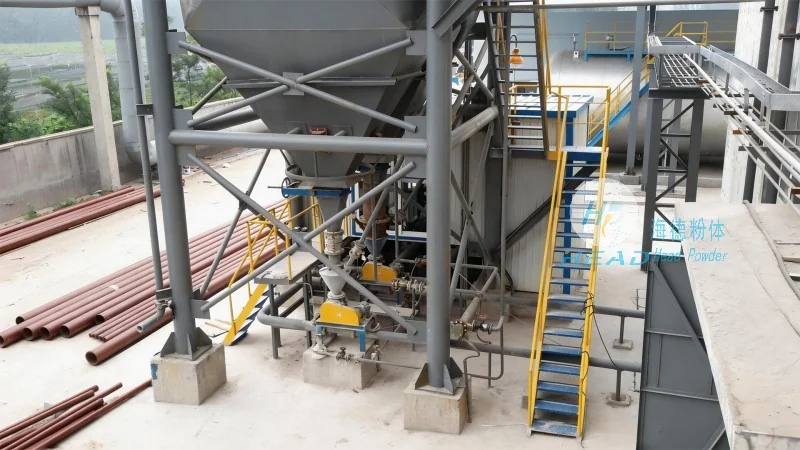
Key Advantages of Pneumatic Conveying for Coal Fly Ash
When compared to conventional transport methods, pneumatic conveying systems provide several distinct advantages for coal fly ash handling. Firstly, they offer a dust-free operation, which is crucial for maintaining air quality and ensuring worker safety. Unlike mechanical conveyors that may generate significant dust, pneumatic systems transport materials in a sealed environment, reducing the risk of inhalation and environmental contamination. Secondly, pneumatic conveying enables high-velocity transport over long distances with minimal energy consumption, making it an efficient choice for large-scale coal fly ash transport projects. The technology also allows for the integration of multiple transfer points and flexible routing, adapting to complex site layouts and operational requirements. Additionally, the systems are designed to handle varying ash compositions and moisture levels, ensuring consistent performance regardless of material variations.
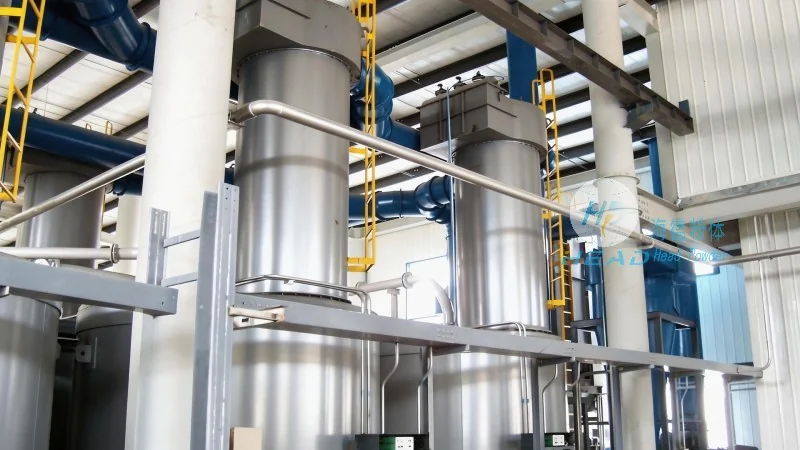
Optimization Strategies for Pneumatic Conveying Systems
Optimizing pneumatic conveying systems for coal fly ash transport involves a combination of technical design, material analysis, and operational management. HeadPowder employs a systematic approach to ensure that each system is tailored to the specific characteristics of the coal fly ash being handled. This includes thorough material testing to determine particle size distribution, density, and flow properties, which are critical factors in selecting the appropriate conveying velocity and system configuration. The company also considers factors such as the distance to be covered, elevation changes, and the number of transfer points to design a system that maximizes efficiency while minimizing energy use. Advanced control systems and monitoring tools are integrated into the design to provide real-time feedback on system performance, allowing for adjustments to maintain optimal operation. Furthermore, HeadPowder offers post-installation support and maintenance services to ensure that the system continues to operate at peak efficiency over its service life.
Case Studies and Real-World Applications
HeadPowder has successfully implemented numerous pneumatic conveying systems for coal fly ash transport in various industrial settings. For instance, in a power plant located in Shandong, China, the company designed a high-capacity pneumatic system to transport fly ash from the boiler to a storage facility. The system, with a conveying capacity of over 100 tons per hour, was optimized to handle the plant’s specific ash composition and distance requirements. The result was a significant reduction in dust emissions and operational costs compared to the previous truck-based transport method. Another project involved a construction site where coal fly ash was used as a raw material for concrete production. HeadPowder’s pneumatic system efficiently delivered the ash from the storage silo to the mixing plant, ensuring a consistent supply and improving overall production efficiency. These case studies demonstrate the practical benefits and reliability of pneumatic conveying technology for coal fly ash transport, reinforcing its position as a preferred solution in the industry.
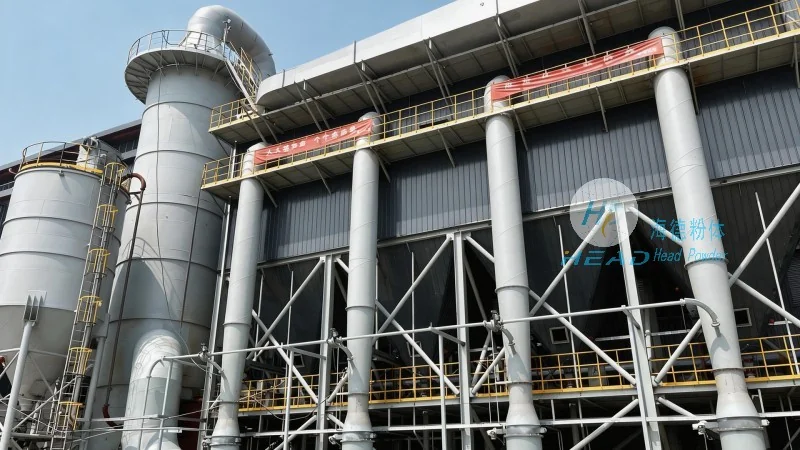
Conclusion and Future Directions
Pneumatic conveying technology continues to evolve, with ongoing research and development focused on enhancing system efficiency, reducing energy consumption, and improving material handling capabilities. HeadPowder Engineering remains at the forefront of these advancements, continuously investing in new technologies and methodologies to provide cutting-edge solutions for coal fly ash transport. By combining technical expertise with customer-centric approaches, the company ensures that its clients receive systems that not only meet current operational needs but also adapt to future requirements. As the demand for sustainable and efficient material handling solutions grows, pneumatic conveying technology, optimized by experts like HeadPowder, will play an increasingly vital role in the coal and power industries. The future of coal fly ash transport lies in innovative, reliable, and environmentally friendly systems, and HeadPowder is positioned to lead the way in delivering these solutions.