

Choosing Between Positive Pressure and Negative Pressure for Wood Chip Conveying: How to Distinguish
When it comes to transporting wood chips, selecting the right conveying system is crucial for efficiency, cost-effectiveness, and operational safety. Two primary methods are widely used: positive pressure and negative pressure systems. Understanding the differences and appropriate applications of each is essential for making an informed decision. This article aims to provide a comprehensive guide to help you choose between positive pressure and negative pressure for wood chip conveying, ensuring optimal performance for your specific needs.
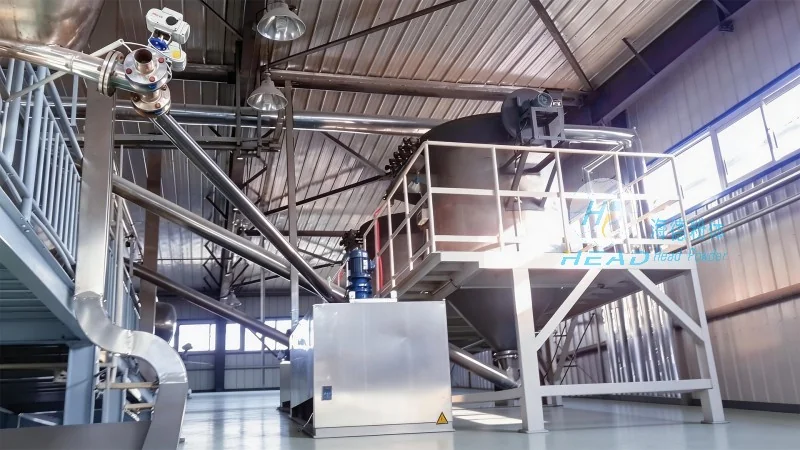
Positive Pressure Conveying Systems
Positive pressure conveying systems operate by forcing air or gas through the conveying line, creating a pressure higher than the ambient air pressure. This method is often used for short to medium distances and can handle a wide range of materials, including wood chips. The key advantages of positive pressure systems include high conveying capacity, the ability to handle abrasive materials, and the flexibility to transport materials over varying distances. These systems typically use high-pressure blowers or fans to generate the necessary airflow, ensuring that the material is moved efficiently and reliably. For wood chip applications, positive pressure systems are particularly effective when dealing with dry or low-density chips, as they can maintain consistent flow rates and minimize material degradation.
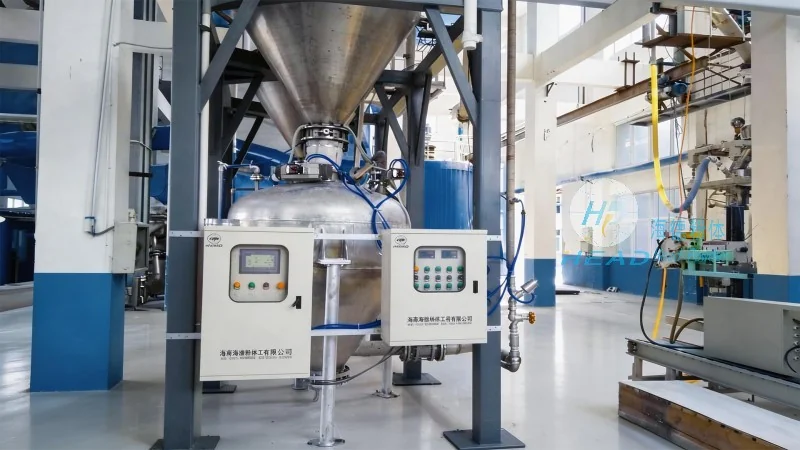
Negative Pressure Conveying Systems
Negative pressure conveying systems, also known as suction or vacuum systems, work by creating a vacuum inside the conveying line, which draws material from the source into the system. This method is ideal for long-distance or high-velocity conveying, as it can handle materials over extended distances without significant pressure drops. The primary benefits of negative pressure systems include lower energy consumption for long runs, the ability to transport materials from multiple sources, and reduced noise levels compared to positive pressure systems. However, negative pressure systems may have limitations in handling abrasive or heavy materials, as the vacuum can sometimes lead to material buildup or blockages if not properly maintained. For wood chip applications, negative pressure systems are often preferred for long-distance transport, especially when dealing with wet or high-density chips, as they can maintain a consistent flow and minimize material loss.
Distinguishing Between Positive and Negative Pressure Systems
How do you determine which system is best for your wood chip conveying needs? Several factors should be considered to make the right choice. First, evaluate the distance and layout of your conveying system. Positive pressure systems are generally suitable for shorter distances (typically up to 100 meters), while negative pressure systems are more effective for longer distances (up to several hundred meters or more). Second, consider the material characteristics, such as moisture content, density, and abrasiveness. Dry, low-density wood chips may perform better with positive pressure, whereas wet or high-density chips may benefit from negative pressure. Third, assess the available space and infrastructure. Positive pressure systems require more space for the blower and may need additional ductwork, while negative pressure systems can be more compact and easier to integrate into existing facilities. Fourth, evaluate the energy consumption and operational costs. Positive pressure systems may consume more energy due to the high-pressure requirements, whereas negative pressure systems can be more energy-efficient for long runs. Finally, consider the maintenance and operational requirements. Positive pressure systems may require more frequent maintenance of the blower and ductwork, while negative pressure systems may need regular cleaning of the vacuum components to prevent blockages.
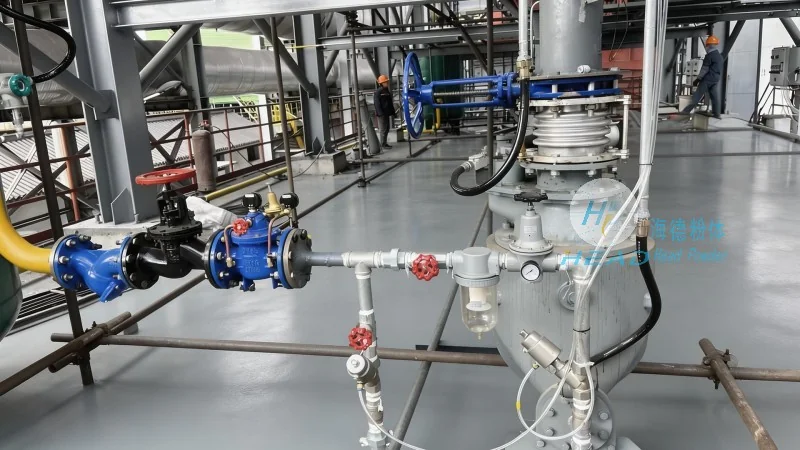
About Shandong HeadPowder Engineering Co., Ltd.
Shandong HeadPowder Engineering Co., Ltd., commonly known as HeadPowder, is a leading manufacturer and supplier of wood chip conveying systems and related equipment. With years of experience in the industry, HeadPowder specializes in providing high-quality, reliable solutions for wood chip transportation. The company's products are designed to meet the diverse needs of the wood processing industry, ensuring efficient and safe operation. HeadPowder's commitment to quality and customer satisfaction has made it a trusted partner for many wood processing facilities. The company's headquarters is located in Shandong, China, where it operates a state-of-the-art manufacturing facility and research and development center. HeadPowder's team of experts is dedicated to providing innovative solutions and technical support to help customers optimize their wood chip conveying processes.