

Selecting Positive Pressure vs. Negative Pressure for Grain Transport: How to Distinguish?
When it comes to transporting grains like millet, the choice between positive pressure and negative pressure systems is a critical decision for efficiency and operational success. Understanding the differences and applications of each method is essential for optimizing grain handling processes. This article, presented by Shandong HeadPowder Engineering Co., Ltd., a leading provider of grain handling solutions, will explore the key distinctions between positive pressure and negative pressure grain transport systems, helping you make an informed choice for your specific needs.
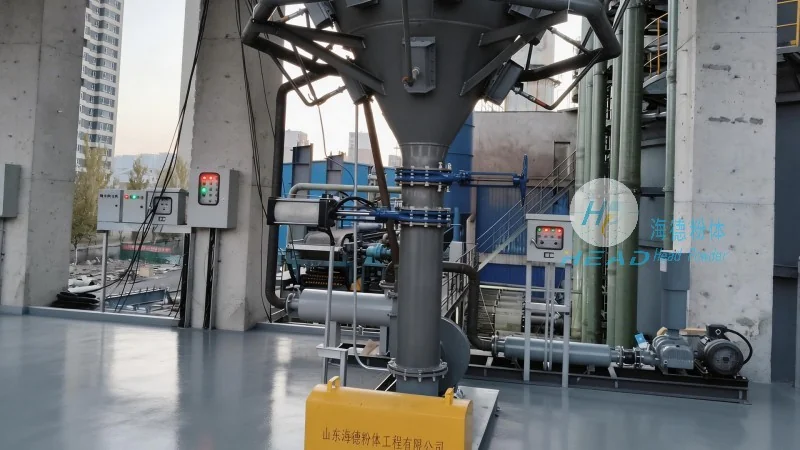
Introduction to Grain Transport Systems
Grain transport systems are vital in agricultural and food processing industries, ensuring the safe and efficient movement of bulk materials from storage to processing or distribution. Two primary methods dominate the market: positive pressure and negative pressure systems. Each has unique advantages and is suited to different operational requirements. By evaluating factors such as grain type, system capacity, and environmental considerations, you can select the most appropriate system for your grain transport needs.
Understanding Positive Pressure Transport
Positive pressure transport systems operate by using a fan or blower to generate air pressure that forces grain through a pipeline. This method is commonly used in applications where high airflow rates are required to move large volumes of grain quickly and efficiently. The positive pressure system ensures that the grain is continuously pushed forward, reducing the risk of clogging and improving overall system reliability. For instance, in large-scale grain handling facilities, positive pressure systems are often preferred for their ability to handle high throughput rates and maintain consistent flow rates.
Key Features of Positive Pressure Systems
Positive pressure systems are characterized by their robust design and high-pressure capabilities. They typically use high-efficiency fans that can generate significant air pressure, ensuring that grain moves through the pipeline without obstruction. The system is self-contained, with the fan located at the inlet or along the pipeline, providing consistent pressure throughout the transport process. This design minimizes the risk of dust accumulation and ensures that the grain remains in a controlled environment, reducing the potential for contamination. Additionally, positive pressure systems are suitable for transporting a wide range of grain types, including coarse grains like millet, without causing excessive wear or damage to the material.
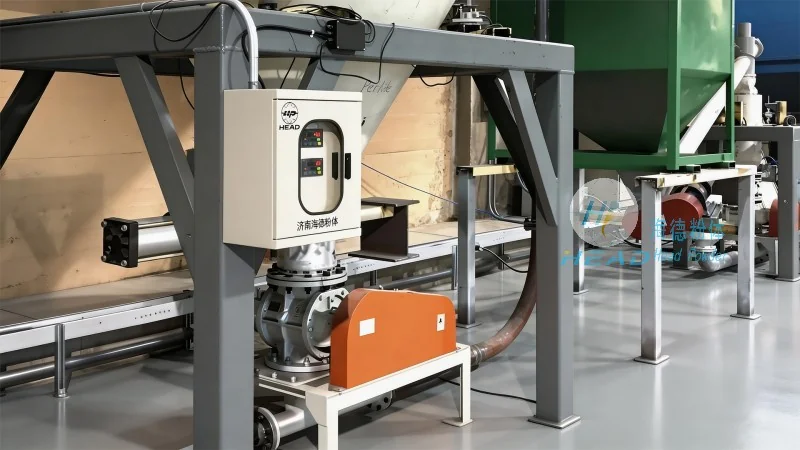
Advantages of Positive Pressure Transport
One of the primary advantages of positive pressure systems is their high efficiency in moving large volumes of grain. The continuous pressure ensures that the grain flows smoothly, reducing the need for frequent maintenance or adjustments. This makes them ideal for continuous operation in industrial settings where downtime is costly. Another benefit is the ability to handle abrasive or high-density grains, as the positive pressure helps to maintain consistent flow rates even with challenging materials. Furthermore, positive pressure systems are generally more cost-effective in the long run due to lower maintenance requirements and longer component lifespans.
Understanding Negative Pressure Transport
Negative pressure transport, also known as suction or vacuum systems, operates by creating a vacuum that draws grain into the pipeline. This method is often used in applications where the grain needs to be transported from a lower elevation or where the system requires a more gentle handling approach. The negative pressure system uses a fan or vacuum pump to create a low-pressure environment, pulling the grain through the pipeline. This approach is particularly useful for transporting delicate or fine-grained materials that could be damaged by high-pressure systems.
Key Features of Negative Pressure Systems
Negative pressure systems are designed to create a vacuum that pulls grain into the pipeline, ensuring that the material is handled gently and without excessive force. The system typically includes a fan located at the outlet or along the pipeline, maintaining a consistent vacuum level throughout the transport process. This design helps to minimize grain breakage and maintain the quality of the material being transported. Additionally, negative pressure systems are often more compact and easier to install in existing facilities, as they do not require high-pressure components or extensive piping modifications.
Advantages of Negative Pressure Transport
One of the main advantages of negative pressure systems is their gentle handling of delicate grains. The vacuum approach reduces the risk of grain damage, making it suitable for transporting fine or fragile materials like millet. Another benefit is the ability to handle materials from multiple sources or at varying elevations, as the suction can draw grain from different locations into a central pipeline. This flexibility makes negative pressure systems ideal for smaller-scale operations or facilities with limited space. Furthermore, negative pressure systems are generally quieter and produce less noise compared to positive pressure systems, which can be beneficial in noise-sensitive environments.
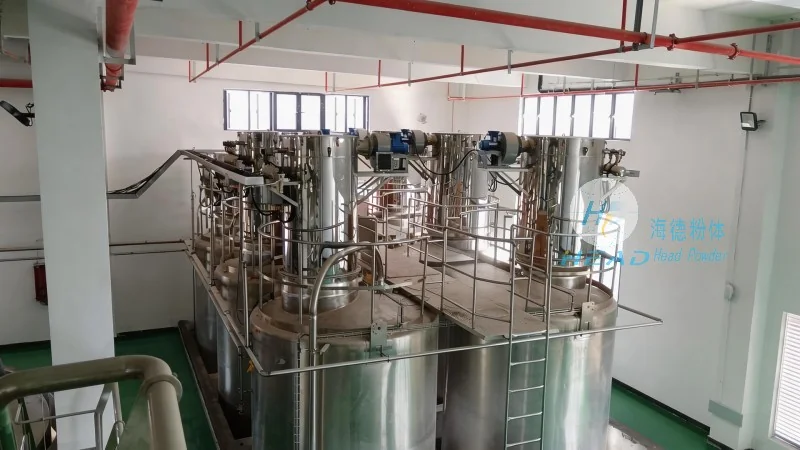
Distinguishing Between Positive and Negative Pressure Systems
When deciding between positive and negative pressure transport systems for grain, several factors must be considered. The first is the grain type and its physical properties. Coarse grains like millet may benefit from the high pressure of positive systems, while fine or delicate grains may require the gentler approach of negative systems. The second factor is the system capacity and throughput requirements. Large-scale operations with high volume demands often opt for positive pressure systems due to their efficiency, while smaller operations may find negative pressure systems more suitable for their needs. Environmental considerations, such as dust control and noise levels, also play a role in the decision-making process. Positive pressure systems may require additional dust filtration, while negative pressure systems are generally quieter. Finally, the initial cost and long-term maintenance costs should be evaluated. Positive pressure systems may have higher upfront costs but lower maintenance, while negative pressure systems may have lower initial costs but higher maintenance requirements.
Application Examples
Positive pressure systems are commonly used in large grain elevators and processing plants where high throughput is required. For example, a large-scale millet processing facility may use a positive pressure system to transport millet from storage silos to the milling equipment. The system ensures that the grain moves quickly and efficiently, minimizing downtime and maximizing production. On the other hand, a smaller-scale farm or local mill may use a negative pressure system to transport millet from the field to the storage facility. The gentle handling approach of the negative system helps to preserve the quality of the grain, ensuring that it remains in good condition for processing.
Conclusion
Choosing between positive pressure and negative pressure for grain transport depends on several factors, including grain type, system capacity, and operational requirements. Positive pressure systems offer high efficiency and are suitable for large-scale operations, while negative pressure systems provide gentle handling and are ideal for delicate or fine-grained materials. By understanding the key features and advantages of each system, you can make an informed decision that optimizes your grain handling processes. Whether you are operating a large industrial facility or a smaller-scale operation, selecting the appropriate transport system is crucial for maintaining efficiency, reducing costs, and ensuring the quality of your grain products.