

Choosing Between Positive Pressure and Negative Pressure for Microbead Powder Conveying: How to Dist
When managing microbead powders, selecting the appropriate conveying method is crucial for efficiency, safety, and product integrity. Two primary approaches dominate the industry: positive pressure and negative pressure systems. Understanding the differences between these two methods is essential for making an informed decision that aligns with operational needs.
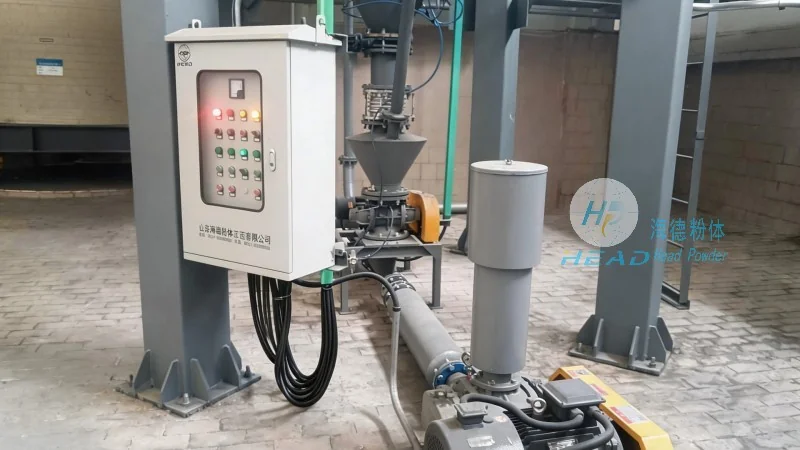
Understanding Positive Pressure Conveying
Positive pressure systems operate by forcing air or gas through the material, creating a pressure differential that moves the powder. This method is often preferred for applications involving fine or abrasive powders, as it minimizes particle degradation and reduces the risk of dust accumulation. The headpowder team at Shandong HeadPowder Engineering Co., Ltd. specializes in designing positive pressure systems tailored to the unique characteristics of microbead powders, ensuring optimal performance and reliability.
Key Advantages of Positive Pressure for Microbead Powders
Positive pressure conveying offers several benefits for microbead powder handling. First, it provides consistent flow rates, which is critical for maintaining uniform product quality. Second, the sealed system prevents dust from escaping into the environment, enhancing workplace safety and compliance with environmental regulations. Additionally, positive pressure systems are less prone to clogging compared to negative pressure systems, as the force of the air helps keep the material moving smoothly through the pipeline.
How Positive Pressure Works in Practice
In a typical positive pressure setup, a blower or compressor generates the necessary airflow, which is then directed through a hopper or storage vessel. The air carries the microbead powder into the conveying line, where it is transported to the destination, such as a silo or processing unit. The system is equipped with filters and cyclones to separate the powder from the air, ensuring that only the desired material reaches the end point. This process is efficient and reliable, making it a popular choice for many industrial applications.
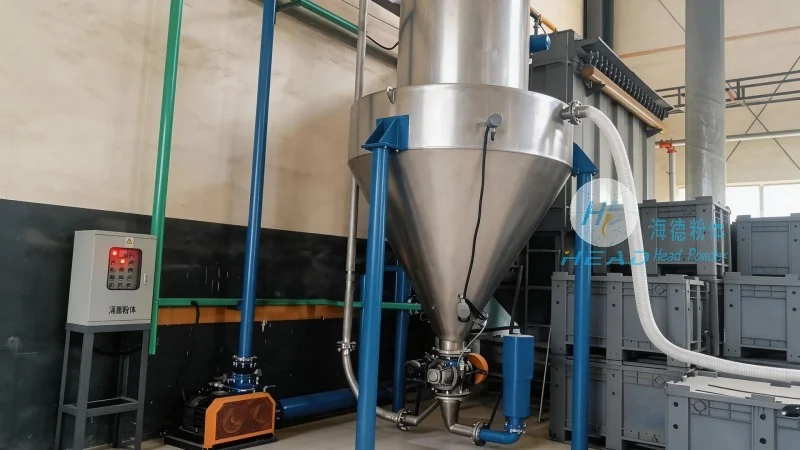
Exploring Negative Pressure Conveying
Negative pressure systems, also known as vacuum or suction systems, operate by creating a low-pressure area that draws the powder into the system. This method is often used for lighter or more delicate powders, as it reduces the risk of particle breakage and maintains the integrity of the material. However, negative pressure systems require careful design to prevent dust leakage and ensure adequate airflow, as the suction can sometimes cause the material to stick to the walls of the pipeline.
Advantages and Challenges of Negative Pressure for Microbead Powders
While negative pressure conveying has its advantages, such as lower initial costs and suitability for certain materials, it also presents challenges. The primary drawback is the higher risk of dust contamination and environmental exposure, as the system is not fully sealed. Additionally, negative pressure systems may experience reduced efficiency over time due to clogging or the accumulation of fine particles in the suction line. For microbead powders, these factors need to be carefully considered to determine if negative pressure is the right choice.
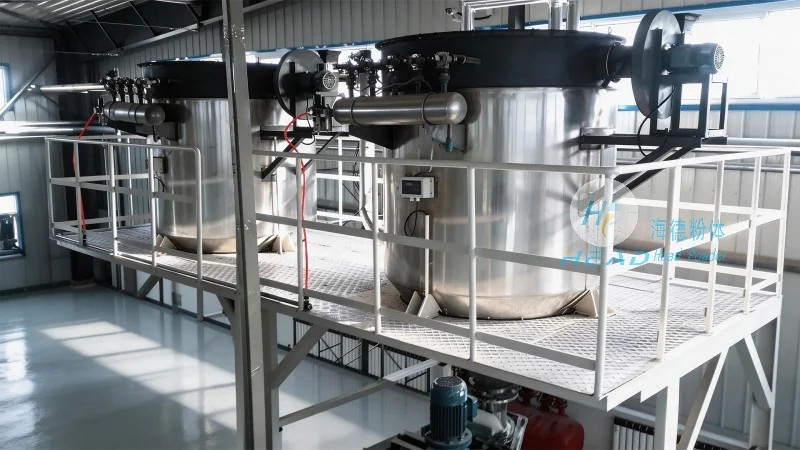
Distinguishing Between Positive and Negative Pressure Systems
So, how do you decide between positive and negative pressure for your microbead powder conveying needs? The key lies in evaluating the specific characteristics of your material and operational requirements. Positive pressure is generally recommended for high-volume, abrasive, or dusty powders, as it provides better control and safety. Negative pressure may be more suitable for low-volume, low-dust applications or when space constraints limit the use of a positive pressure system.
Factors to Consider When Choosing a Conveying System
When selecting between positive and negative pressure for microbead powder handling, several factors should be taken into account. First, consider the particle size and density of the microbeads. Larger or denser particles may require more force to move, making positive pressure a better option. Second, assess the environmental regulations and workplace safety standards in your facility. Positive pressure systems are often preferred in environments where dust control is critical. Third, evaluate the available space and infrastructure. Positive pressure systems may require more space for the blower and ductwork, while negative pressure systems can be more compact.
Conclusion: Making the Right Choice for Microbead Powder Conveying
Choosing between positive and negative pressure for microbead powder conveying is a critical decision that impacts operational efficiency, product quality, and safety. By understanding the differences between these two methods and considering the specific needs of your application, you can select the most appropriate system. The team at Shandong HeadPowder Engineering Co., Ltd. offers expert guidance and customized solutions to help you make an informed choice, ensuring that your microbead powder handling process is optimized for performance and reliability.