

Introduction to Precipitated Barium Sulfate Conveying Systems and the Advantages of Air-Driven Conve
For industrial applications that require the reliable and efficient transport of precipitated barium sulfate, specialized conveying systems are essential. These systems are designed to handle the unique properties of this material, ensuring minimal degradation and optimal performance throughout the material handling process. The following overview provides insights into the key components and operational principles of such systems, highlighting how they contribute to the smooth operation of industrial processes.
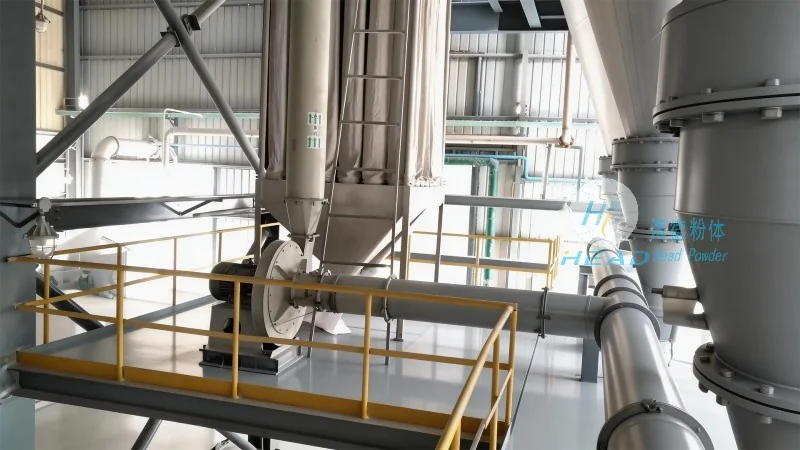
Understanding Precipitated Barium Sulfate
Precipitated barium sulfate, also known as barium sulfate, is a white crystalline powder widely used in various industries, including pharmaceuticals, coatings, and cosmetics. Its high density and fine particle size make it challenging to handle, necessitating advanced conveying solutions. The systems designed for this material must address issues such as dust generation, caking, and the need for gentle handling to preserve product quality.
The Role of Air-Driven Conveying in Precipitated Barium Sulfate Transport
One of the most effective methods for transporting precipitated barium sulfate is air-driven or pneumatic conveying. This technology utilizes compressed air to move the material through a pipeline, eliminating the need for mechanical components like belts or screws that could cause wear or contamination. The air-driven system is particularly advantageous for handling fine powders, as it minimizes particle degradation and ensures consistent flow rates.
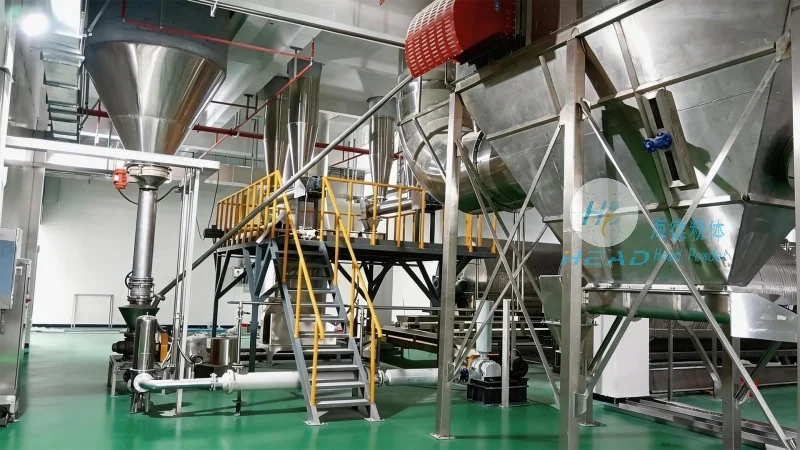
Key Advantages of Air-Driven Conveying for Precipitated Barium Sulfate
When considering the transport of precipitated barium sulfate, air-driven conveying offers several key advantages that enhance operational efficiency and product quality. These benefits include:
- Reduced Material Degradation: The gentle, low-impact movement of particles in an air-driven system helps maintain the integrity of the barium sulfate, preventing agglomeration and preserving its fine particle characteristics.
- Improved Safety and Hygiene: By eliminating direct contact with mechanical parts, the system reduces the risk of contamination and dust exposure, which is critical in industries where product purity is paramount.
- Energy Efficiency: Compared to traditional mechanical conveying methods, air-driven systems can be more energy-efficient, especially for long-distance or high-volume transport, leading to lower operational costs over time.
- Flexibility in Layout: The pneumatic conveying system allows for flexible pipeline configurations, enabling the material to be routed around obstacles and integrated into existing industrial layouts without major modifications.
Components of a Precipitated Barium Sulfate Conveying System
A typical air-driven conveying system for precipitated barium sulfate consists of several key components, each playing a critical role in the overall operation. These components include:
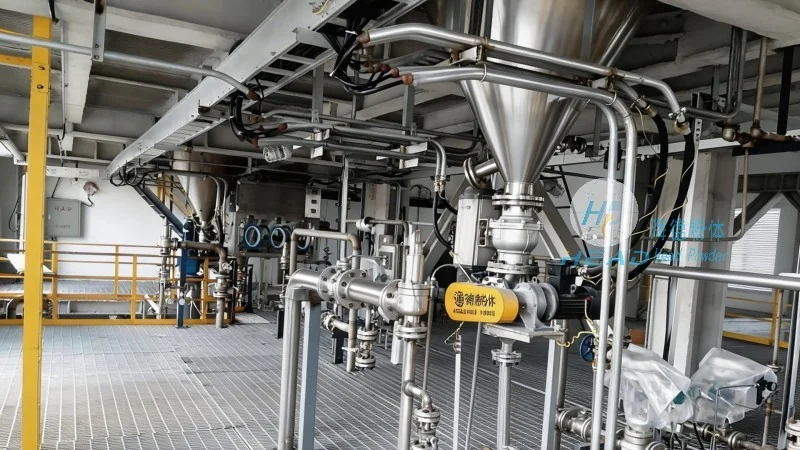
- Feeder: The feeder is responsible for feeding the material into the conveying line at a controlled rate. For fine powders like barium sulfate, a rotary valve or a screw feeder is commonly used to ensure consistent flow and prevent blockages.
- Compressor and Air Dryer: The compressor generates the necessary air pressure to move the material, while the air dryer removes moisture from the air to prevent caking or moisture-related issues in the product.
- Pipeline and Fittings: The pipeline, typically made of stainless steel or other corrosion-resistant materials, transports the material and air mixture. Fittings such as elbows, tees, and check valves are used to direct the flow and maintain system pressure.
- Receiver: The receiver is the final destination where the material is deposited. It is designed to handle the material's high density and prevent spillage or dust emissions.
- Control System: Modern conveying systems often include a control panel that monitors pressure, flow rate, and other parameters, allowing for real-time adjustments and ensuring optimal performance.
Operational Considerations and Best Practices
Successfully implementing a precipitated barium sulfate conveying system requires attention to several operational considerations. Proper maintenance of the system components, regular cleaning of the pipeline to prevent clogging, and monitoring of air pressure and flow rates are essential for maintaining efficiency and product quality. Additionally, ensuring that the system is designed to handle the specific characteristics of the barium sulfate, such as its particle size distribution and moisture content, is crucial for long-term reliability.
Conclusion
For industries relying on precipitated barium sulfate, an air-driven conveying system offers a reliable and efficient solution for material transport. By leveraging the advantages of pneumatic technology, these systems minimize degradation, enhance safety, and improve overall operational performance. As a leader in engineering solutions for specialized materials, Shandong HeadPowder Engineering Co., Ltd. specializes in designing and manufacturing such systems tailored to the unique needs of industrial applications, ensuring that clients achieve optimal results in their material handling processes.