When it comes to transporting quicklime and other fine powders, traditional methods like belt conveyors or bucket elevators often face challenges such as material degradation, dust pollution, and operational inefficiencies. Pneumatic conveying offers a modern solution that leverages air flow to move these materials with precision and efficiency. This article explores the principles, benefits, and practical applications of pneumatic conveying systems specifically designed for quicklime, highlighting how companies like Shandong HeadPowder Engineering Co., Ltd. are leading the way in this technology.
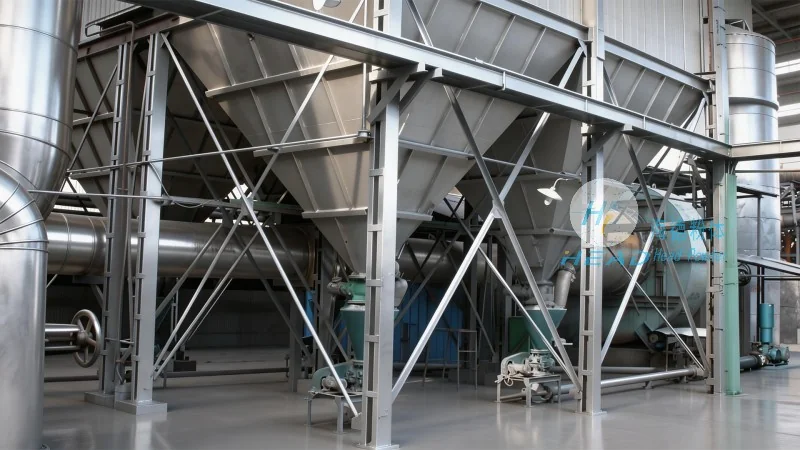
Understanding Pneumatic Conveying for Quicklime
Pneumatic conveying systems use air pressure or vacuum to transport bulk materials like quicklime through a pipeline. The process involves creating a flow of air that carries the powder particles from the source to the destination. There are two main types of pneumatic conveying: pressure and vacuum systems. Pressure systems use positive pressure to push the material through the line, while vacuum systems use negative pressure to pull it. For quicklime, which is a reactive and often dusty material, pressure systems are commonly preferred due to their ability to maintain consistent flow and minimize material degradation.
The Benefits of Pneumatic Conveying for Quicklime Handling
Implementing pneumatic conveying for quicklime offers several key advantages over traditional methods. First, it significantly reduces dust generation and contamination, which is crucial for maintaining a clean and safe working environment. Quicklime is known for its fine particles that can easily become airborne, posing health risks and affecting product quality. Pneumatic systems contain the material within the pipeline, preventing dust from escaping into the air. Second, this method enhances material handling efficiency by allowing for continuous, automated operation. Unlike manual or semi-automated systems, pneumatic conveyors can operate 24/7, reducing downtime and increasing overall productivity. Third, pneumatic conveying minimizes material degradation. Quicklime is a reactive substance that can clump or degrade when exposed to moisture or air. By keeping the material in a closed system, the conveying process preserves its quality and reactivity, ensuring that the final product meets the required specifications. Fourth, it offers flexibility in system design. Pneumatic systems can be customized to fit various production layouts, allowing for integration with existing equipment or expansion as production needs grow.
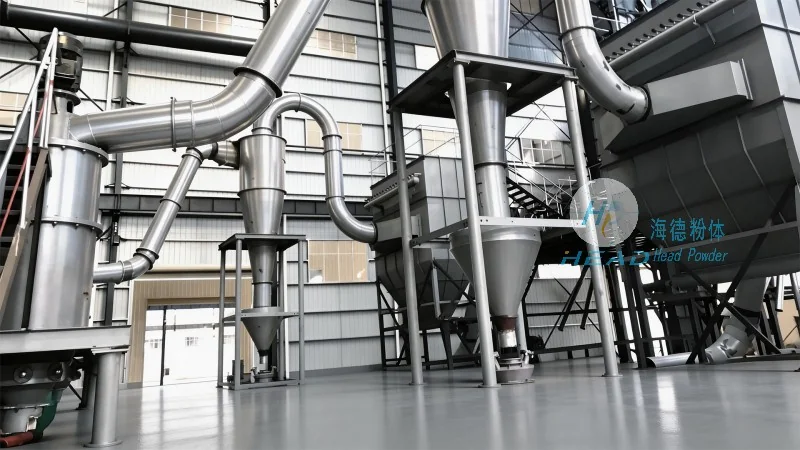
Key Components of a Pneumatic Conveying System for Quicklime
A typical pneumatic conveying system for quicklime consists of several essential components that work together to ensure smooth operation. The main components include a material feeder, which is responsible for feeding the quicklime into the pipeline at a controlled rate. The feeder must be designed to handle the fine, dusty nature of quicklime without clogging or causing uneven flow. Next, the air compressor or vacuum pump provides the necessary pressure or vacuum to move the material. For pressure systems, a positive displacement blower or rotary lobe compressor is commonly used, while vacuum systems rely on a vacuum pump. The pipeline itself is a critical component, as it must be constructed from materials that are resistant to the chemical properties of quicklime and can withstand the pressure or vacuum conditions. Common materials include stainless steel, which is corrosion-resistant and durable. The pipeline is typically straight and smooth to minimize friction and pressure loss. Additionally, the system includes control valves and regulators to manage the air flow and pressure, ensuring consistent performance. These components work in tandem to create a reliable and efficient conveying process.
Applications of Pneumatic Conveying in Quicklime Processing
Pneumatic conveying systems are widely used in various stages of quicklime processing and handling. One common application is in the production of quicklime itself, where the material is transported from the calcination kiln to storage silos or packaging units. This step requires efficient and dust-free transport to maintain product quality. Another application is in the manufacturing of lime-based products, such as hydrated lime or lime slurry. Pneumatic conveyors can transport quicklime to mixing tanks or reactors, ensuring a consistent feed rate for the chemical reactions. In industrial applications, quicklime is used as a flux in steelmaking or as a neutralizing agent in wastewater treatment. Pneumatic systems can deliver quicklime to these processes in a controlled manner, improving operational efficiency and reducing environmental impact. Additionally, in mining and construction industries, quicklime is used for soil stabilization and road construction. Pneumatic conveyors can transport the material to job sites, providing a flexible and cost-effective solution for material delivery.
Choosing the Right Pneumatic Conveying System for Quicklime
When selecting a pneumatic conveying system for quicklime, several factors must be considered to ensure optimal performance and efficiency. First, the material characteristics of quicklime must be evaluated. Quicklime is a fine powder with a high reactivity, which means the system must be designed to handle these properties without causing material degradation or system damage. The particle size, density, and moisture content of the quicklime will affect the choice of conveying method and equipment. For example, if the quicklime has a high moisture content, a pressure system with a drying mechanism may be necessary to prevent clogging. Second, the system capacity and flow rate requirements are critical. The conveying system must be able to handle the required volume of quicklime, whether it's a small-scale operation or a large industrial plant. The flow rate is determined by the production rate and the distance the material needs to travel. Third, the distance and layout of the conveying system must be considered. Longer distances may require more powerful air compressors or additional booster units to maintain sufficient pressure. The system layout should also be designed to minimize bends and changes in direction, as these can cause pressure loss and material degradation. Fourth, the environmental and safety considerations are important. Quicklime is a dusty material that can pose health risks if not handled properly. The system must be equipped with dust collection and filtration systems to prevent dust from escaping into the environment. Additionally, the system should comply with local regulations regarding emissions and safety. Finally, the cost and maintenance requirements of the system should be evaluated. While pneumatic conveying systems may have higher initial costs compared to traditional methods, they offer long-term benefits in terms of efficiency, product quality, and reduced downtime. Regular maintenance, such as cleaning the pipeline and replacing worn components, is essential to ensure the system operates at peak performance.
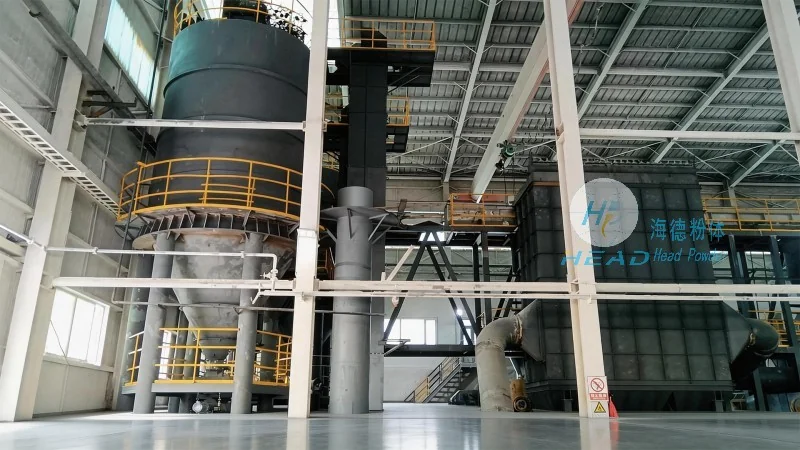
Case Study: Shandong HeadPowder Engineering Co., Ltd. and Pneumatic Conveying Solutions
Shandong HeadPowder Engineering Co., Ltd., a leading manufacturer of pneumatic conveying systems, has extensive experience in designing and implementing solutions for quicklime handling. The company specializes in customizing pneumatic systems to meet the specific needs of its clients, ensuring that the equipment is tailored to the material properties, production requirements, and operational environment. For example, a client in the steel industry required a pneumatic conveying system to transport quicklime from storage silos to the steelmaking furnace. HeadPowder designed a pressure system with a stainless steel pipeline and a high-capacity air compressor, which successfully delivered the quicklime with minimal dust and high efficiency. Another client in the wastewater treatment industry needed a system to transport quicklime to a neutralization tank. HeadPowder provided a vacuum system with a dust collection unit, which effectively controlled dust emissions and maintained a clean working environment. These case studies demonstrate the company's expertise in providing reliable and efficient pneumatic conveying solutions for quicklime applications.
Conclusion: The Future of Quicklime Handling with Pneumatic Conveying
Pneumatic conveying represents a significant advancement in the handling of quicklime and other fine powders. By leveraging air flow to transport materials, these systems offer numerous benefits, including reduced dust, increased efficiency, and minimized material degradation. As industries continue to seek more sustainable and efficient methods of material handling, pneumatic conveying is likely to become an increasingly popular choice. Companies like Shandong HeadPowder Engineering Co., Ltd. are at the forefront of this technology, providing innovative solutions that meet the evolving needs of the market. With proper design and implementation, pneumatic conveying systems can enhance the overall performance of quicklime processing operations, leading to improved product quality, reduced costs, and a safer working environment.




