Coating powder pneumatic conveying equipment is a specialized system designed to transport dry powder materials, such as those used in the paint and coating industries, through a pressurized or vacuum environment. This equipment plays a crucial role in industrial applications where efficient and reliable material handling is essential. The following sections provide an overview of the key components, structural design, and operational principles of such systems, with a focus on the technology and engineering behind them.
Company Profile: Shandong HeadPowder Engineering Co., Ltd.
HeadPowder, or Shandong HeadPowder Engineering Co., Ltd., is a leading manufacturer and supplier of pneumatic conveying solutions. Based in Shandong, China, the company specializes in designing and producing equipment tailored to the unique needs of the coating and powder processing industries. With a strong commitment to quality and innovation, HeadPowder has established itself as a trusted partner for businesses seeking efficient and durable material handling systems.
Key Components of Coating Powder Pneumatic Conveying Systems
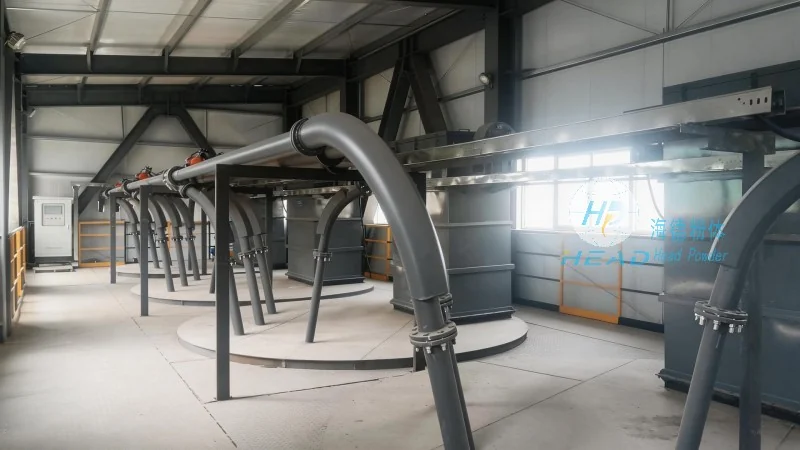
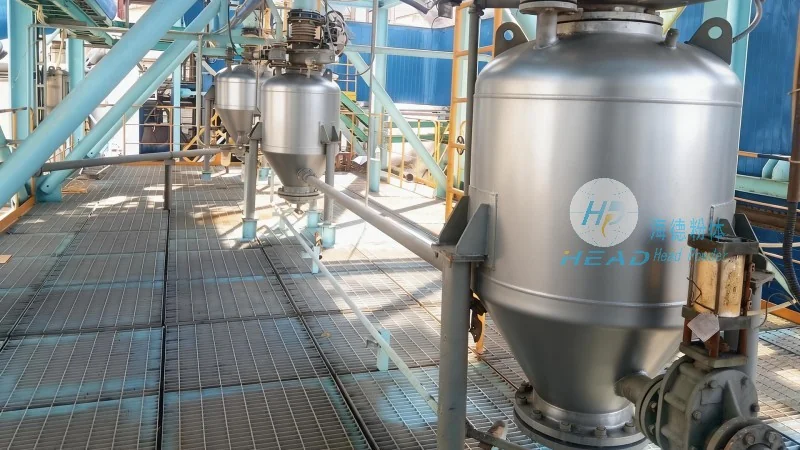
The core components of a coating powder pneumatic conveying system include the hopper, feeder, conveying line, and receiver. The hopper serves as the storage container for the powder, ensuring a consistent supply to the feeder. The feeder, typically a rotary or vibratory type, regulates the flow of powder into the conveying line, preventing blockages and maintaining a steady rate of material transport. The conveying line, which can be made of metal or plastic, is responsible for transporting the powder under pressure or vacuum. The receiver, located at the destination, collects the material and may include a dust collection system to ensure environmental compliance.
Structural Design and Engineering Principles
The structural design of coating powder pneumatic conveying equipment is engineered to handle the specific characteristics of coating powders, which may vary in particle size, density, and flowability. The system is designed to minimize material degradation, such as agglomeration or caking, by maintaining appropriate air velocities and pressure differentials. The use of high-quality materials, such as stainless steel for corrosion resistance and wear-resistant components for durability, ensures long-term performance and reliability. Additionally, the design incorporates features like air filters and pressure relief valves to enhance safety and operational efficiency.
Working Principle of Pneumatic Conveying
The working principle of a coating powder pneumatic conveying system involves the use of air to move the powder through the conveying line. In a pressure system, compressed air is introduced into the hopper, creating a pressure differential that forces the powder into the line. The air and powder mixture travels through the line to the receiver, where the powder is separated from the air by a cyclone or other separation device. In a vacuum system, a vacuum pump creates a negative pressure that draws the powder from the hopper into the line. The system is controlled by a series of valves and sensors that monitor pressure, flow rate, and material level, ensuring smooth and efficient operation.
Advantages of Coating Powder Pneumatic Conveying Equipment
Coating powder pneumatic conveying equipment offers several advantages over traditional material handling methods. These include the ability to transport materials over long distances without the need for intermediate storage or transfer points, reduced risk of contamination and product degradation, and improved safety due to enclosed systems. The systems are also highly adaptable, allowing for customization to meet specific process requirements. Additionally, the use of pneumatic conveying can reduce labor costs and increase production efficiency by automating the material handling process.
Applications in the Coating Industry
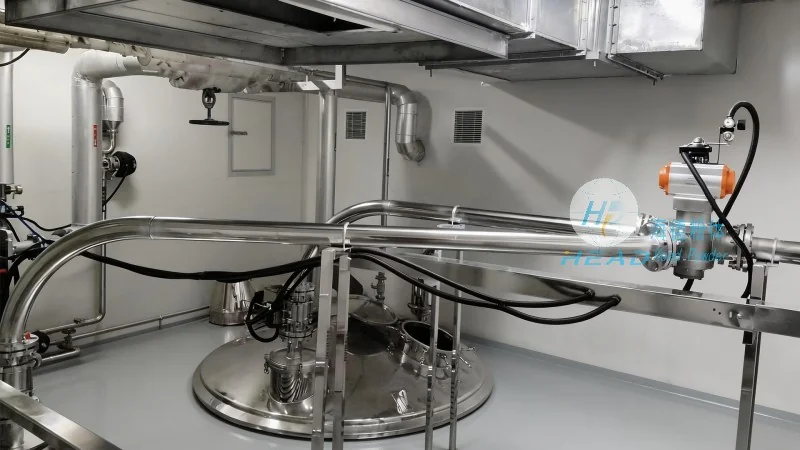
Coating powder pneumatic conveying equipment is widely used in various applications within the coating industry. These include the transport of pigments, binders, and other raw materials from storage to production lines, as well as the transfer of finished coating powders to packaging or storage facilities. The equipment is particularly useful in applications where the materials are sensitive to moisture or air exposure, as the enclosed system protects them from environmental factors. Additionally, the systems can be integrated with other production equipment, such as mixers and dryers, to create a seamless material handling process.
Maintenance and Operational Considerations
Proper maintenance is essential to ensure the long-term performance and reliability of coating powder pneumatic conveying equipment. Regular cleaning of the hopper, feeder, and conveying line is necessary to prevent the buildup of powder residues, which can affect flow rates and system efficiency. The air filters and separation devices should also be checked and replaced as needed to maintain proper operation. Operational considerations include monitoring pressure and flow rates, as well as ensuring that the system is properly sealed to prevent air leaks. By following these maintenance and operational guidelines, users can maximize the lifespan and efficiency of their pneumatic conveying systems.




