Perlite pneumatic conveying equipment is a specialized system designed for the efficient and reliable transport of perlite, a lightweight, volcanic glass material widely used in construction, horticulture, and industrial applications. This equipment plays a crucial role in optimizing material handling processes, ensuring minimal product degradation and maximizing operational efficiency. The following sections provide an overview of the key components, structural design, and operational principles of perlite pneumatic conveying systems.
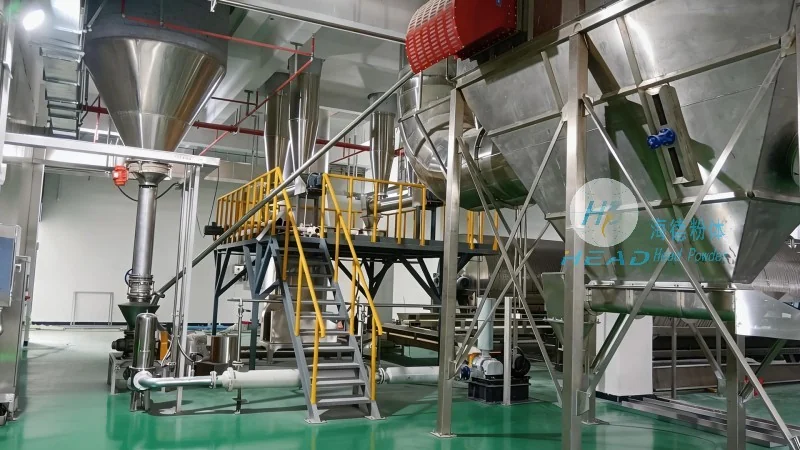
Key Components and Structural Design
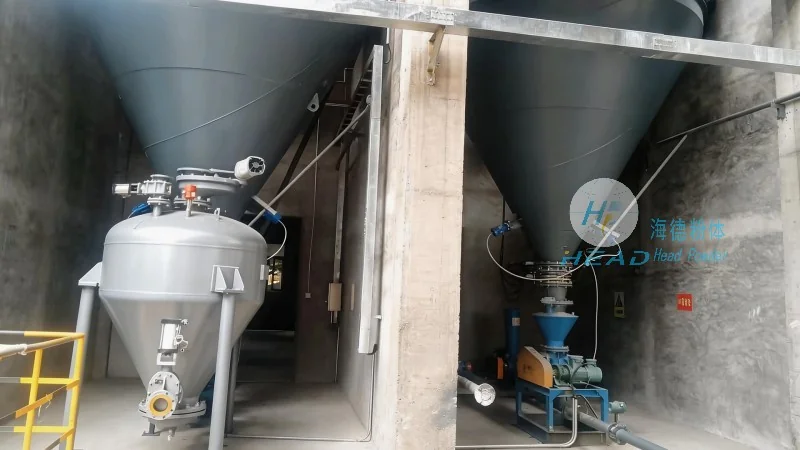
The perlite pneumatic conveying system typically consists of several integral components that work in concert to facilitate material transport. The primary elements include a hopper for material storage, a feeder to control the flow rate, a conveying pipeline, a blower or air compressor to generate the necessary air pressure, and a receiver for the discharged material. The hopper is designed with a sloped bottom to facilitate uniform material discharge, often equipped with a rotary valve or gate valve to regulate the flow. The feeder, such as a screw or vibratory feeder, ensures consistent material feed into the pipeline, preventing blockages and maintaining stable conveying conditions. The conveying pipeline is usually made of corrosion-resistant materials like stainless steel or PVC to withstand the abrasive nature of perlite particles and the effects of air pressure. The blower or air compressor provides the motive force, generating a high-velocity air stream that entrains the perlite particles and propels them through the pipeline. The receiver, typically a hopper or storage tank, collects the conveyed material, often with a dust collection system to control airborne particles and maintain environmental compliance.
Working Principle of the Pneumatic Conveying Process
The operation of a perlite pneumatic conveying system is based on the principle of fluidization and particle suspension. When the blower generates an air stream, it creates a low-pressure zone within the conveying pipeline. As the air flows through the feeder and into the pipeline, it entrains the perlite particles, lifting them from the hopper and transporting them to the receiver. The velocity of the air stream is critical; it must be sufficient to overcome the gravitational force acting on the particles and maintain their suspension in the air stream. The system operates in either positive or negative pressure modes. In positive pressure systems, the blower pressurizes the entire pipeline, pushing the material forward. In negative pressure systems, the blower creates a vacuum at the receiver end, pulling the material through the pipeline. The choice between positive and negative pressure depends on factors such as the distance to be conveyed, the material characteristics, and the need to minimize dust emissions. The conveying process is continuous and can handle varying material loads, making it suitable for both small-scale and large-scale industrial applications.
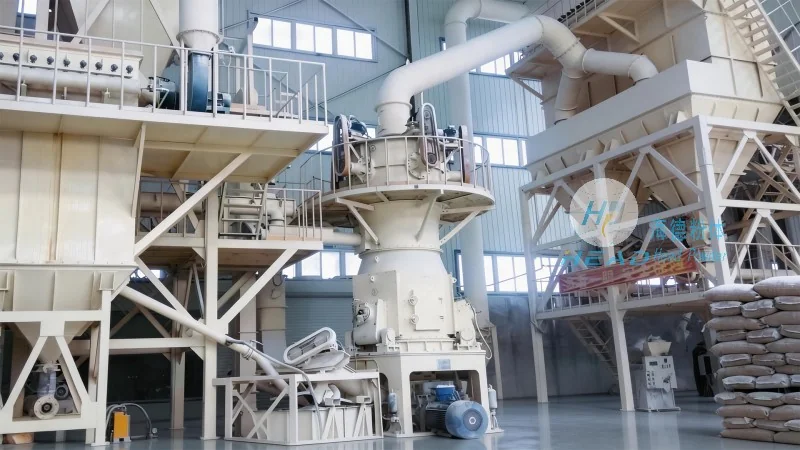
Advantages of Using Perlite Pneumatic Conveying Equipment
Implementing a perlite pneumatic conveying system offers several advantages over traditional material handling methods. Firstly, it eliminates the need for mechanical conveyors, such as belt or chain conveyors, which can cause product degradation due to friction and impact. The air-based transport minimizes particle breakage and maintains the integrity of the perlite, preserving its lightweight and insulating properties. Secondly, the system is highly flexible, allowing for changes in conveying distance or direction without significant modifications. This adaptability makes it suitable for complex production layouts and future expansion. Thirdly, the equipment is relatively compact and can be installed in confined spaces, saving valuable floor space in industrial facilities. Additionally, the pneumatic conveying system provides better dust control compared to other methods, as the entire process is enclosed, reducing airborne particle emissions and improving workplace safety. Finally, the system operates with lower maintenance requirements compared to mechanical systems, as there are fewer moving parts and less wear from abrasion.
Applications in Various Industries
The versatility of perlite makes it a valuable material in multiple industries, and the pneumatic conveying equipment is tailored to meet the specific demands of these applications. In the construction industry, perlite is used as a lightweight aggregate in concrete and plaster, where the conveying system ensures consistent material supply to mixing plants and production lines. In horticulture, perlite is used as a growing medium, and the equipment facilitates the transport of raw perlite from storage to processing facilities or directly to growers. In industrial applications, perlite is used in insulation products, catalysts, and filtration media, and the conveying system ensures efficient material handling in manufacturing processes. The equipment’s ability to handle fine particles and maintain product quality makes it ideal for these applications, where even small variations in material properties can impact product performance.
About Shandong HeadPowder Engineering Co., Ltd.
Shandong HeadPowder Engineering Co., Ltd., commonly known as headpowder, is a leading manufacturer and supplier of specialized material handling equipment, including perlite pneumatic conveying systems. The company is headquartered in Shandong, China, and has established a strong reputation for delivering high-quality, reliable equipment tailored to the needs of various industries. With a focus on innovation and customer satisfaction, HeadPowder Engineering invests in research and development to enhance the performance and efficiency of its products. The company adheres to international quality standards and provides comprehensive technical support, including installation, maintenance, and after-sales service, to ensure optimal performance of the conveying systems. By leveraging advanced engineering and manufacturing capabilities, HeadPowder Engineering continues to provide solutions that meet the evolving demands of the material handling industry, supporting clients in improving operational efficiency and product quality.




