HeadPowder, a leading manufacturer based in Shandong, China, specializes in the design and production of advanced pneumatic conveying systems tailored for the handling of molybdenum concentrate. This equipment is engineered to efficiently transport fine powders like molybdenum concentrate, ensuring high accuracy, minimal product loss, and compliance with industrial standards. The following sections provide a detailed overview of the equipment's structure and operational principles.
Key Components and Structural Design
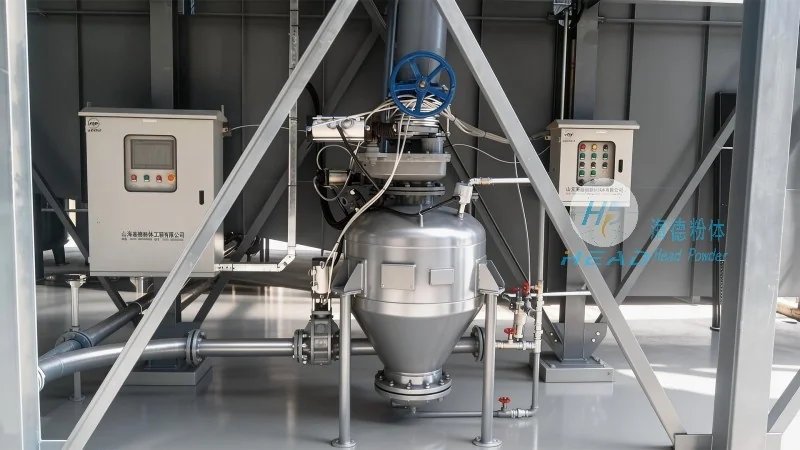
The molybdenum concentrate pneumatic conveying system typically consists of several core components that work in tandem to achieve effective material transport. The primary components include a hopper for material storage, a rotary valve or feeder for controlled discharge, a conveying pipeline system, a dust collector or filter to manage air and particulate matter, and a blower or air compressor to generate the necessary air pressure. The hopper is designed with a conical bottom to facilitate uniform material flow, preventing blockages and ensuring consistent feeding rates. The rotary valve, often a star valve or slide valve, regulates the amount of material entering the pipeline, maintaining a stable flow rate that matches the system's air capacity. The conveying pipeline is constructed from materials resistant to corrosion and abrasion, such as stainless steel or high-density polyethylene, to withstand the chemical and physical properties of molybdenum concentrate. The pipeline layout is optimized to minimize pressure drops and ensure efficient air-mass distribution. The dust collector, equipped with filtration media, captures fine particles from the exhaust air, maintaining air quality and preventing environmental contamination. The blower or air compressor provides the driving force, generating sufficient pressure to move the material through the pipeline. The system may also include a control panel that monitors pressure, flow rate, and other operational parameters, allowing for real-time adjustments to optimize performance.
Working Principle of the Pneumatic Conveying Process
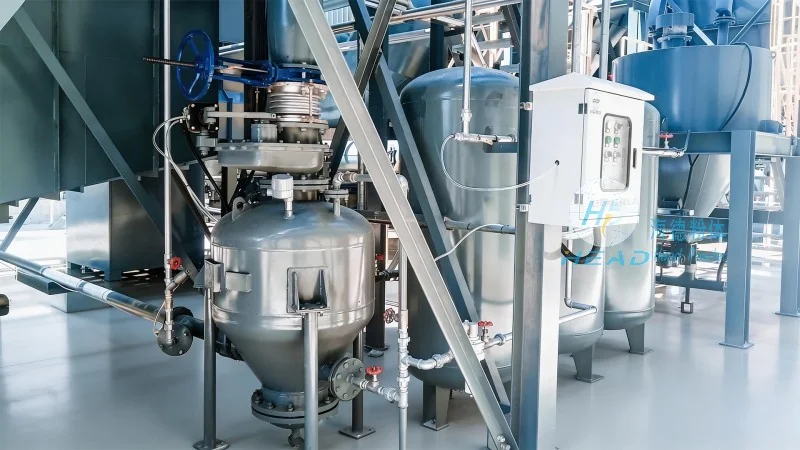
The operation of the molybdenum concentrate pneumatic conveying equipment follows a systematic process that combines air flow and material movement. The process begins with the material being fed from the hopper into the rotary valve. The valve regulates the flow of material into the conveying pipeline, ensuring a consistent feed rate. Simultaneously, the blower generates a high-pressure air stream that enters the pipeline at the inlet. As the material is introduced into the pipeline, it is entrained by the air flow, forming a mixture of air and particles. This mixture travels through the pipeline under the pressure of the air, moving towards the discharge point. The pipeline's design, including bends and elbows, is carefully engineered to minimize turbulence and pressure loss, ensuring the material reaches the destination without degradation. At the discharge end, the material is separated from the air through a cyclone separator or a filter system. The separated material is collected in a receiving hopper, while the clean air is discharged back into the environment or recirculated if necessary. The system's control panel continuously monitors key parameters, such as pressure differentials and flow rates, to detect any deviations and adjust the operation accordingly. This closed-loop control system enhances the efficiency and reliability of the conveying process, minimizing downtime and maximizing throughput.
Advantages and Applications
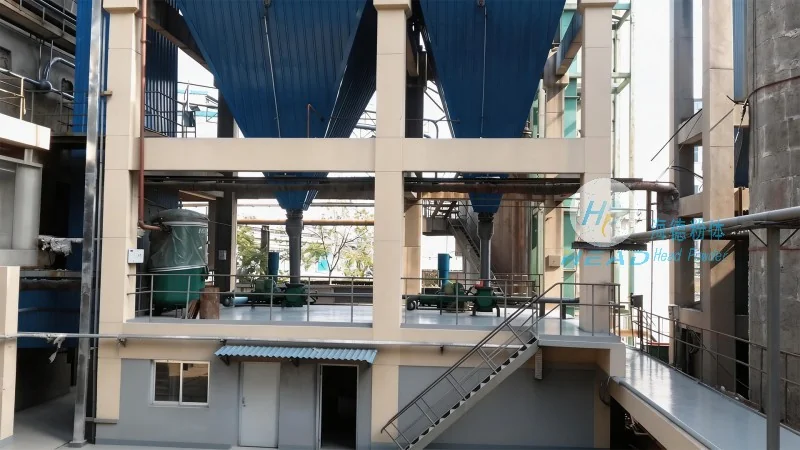
The molybdenum concentrate pneumatic conveying equipment offers several advantages over traditional mechanical conveying methods. These include reduced product contamination due to enclosed systems, lower labor costs as the process is automated, and improved safety by eliminating manual handling of fine powders. The equipment is particularly suitable for applications in the mining and metallurgical industries, where the handling of molybdenum concentrate is critical. It is widely used in molybdenum ore processing plants, where the concentrate is transported from storage hoppers to processing units, such as crushers, grinders, or flotation machines. The system's ability to handle fine powders without segregation or agglomeration makes it ideal for maintaining the quality of the molybdenum concentrate. Additionally, the equipment's compact design and modular construction allow for easy installation and integration into existing production lines, reducing the overall footprint and construction time. The use of advanced materials and engineering techniques ensures that the system operates reliably under harsh industrial conditions, with minimal maintenance requirements.
Technical Specifications and Customization Options
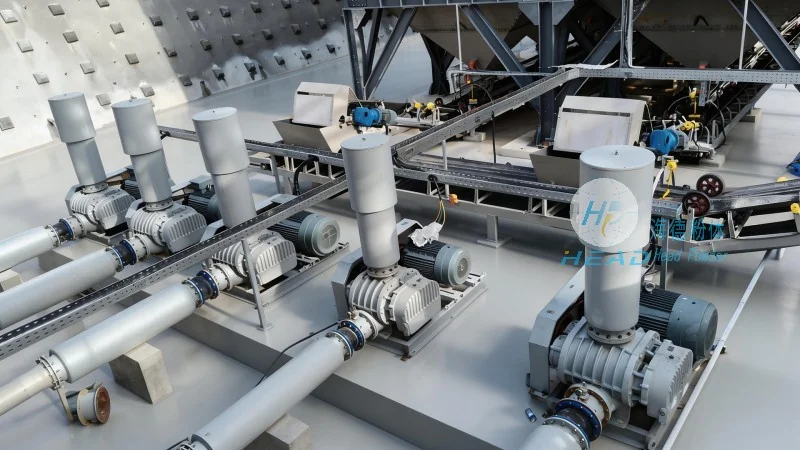
HeadPowder provides customized pneumatic conveying solutions tailored to the specific needs of each client. The technical specifications of the equipment can vary based on the volume of material to be conveyed, the distance of transport, and the required flow rate. Typical specifications include conveying capacities ranging from 1 to 50 tons per hour, pipeline lengths up to several hundred meters, and pressure ranges from 0.5 to 2 bar. The system can be equipped with various accessories, such as pressure sensors, flow meters, and alarms, to enhance monitoring and safety. For applications requiring higher efficiency or specialized handling, the company offers options like positive pressure or negative pressure systems, as well as different types of feeders and separators. The equipment is designed to meet international standards for safety and environmental compliance, ensuring that it operates within regulatory limits. HeadPowder's engineering team works closely with clients to assess their specific requirements and develop a customized solution that maximizes performance and cost-effectiveness. This approach ensures that the final product meets the exact needs of the client, whether it is for a new plant or an upgrade to an existing system.




