HeadPowder, a leading manufacturer based in Shandong, China, specializes in the design and production of advanced pneumatic conveying systems. This article provides an overview of the sand particle pneumatic conveying equipment, focusing on its structural components and operational principles. The equipment is engineered to efficiently transport sand particles through an air-driven system, ensuring reliable and low-maintenance operation in various industrial applications.
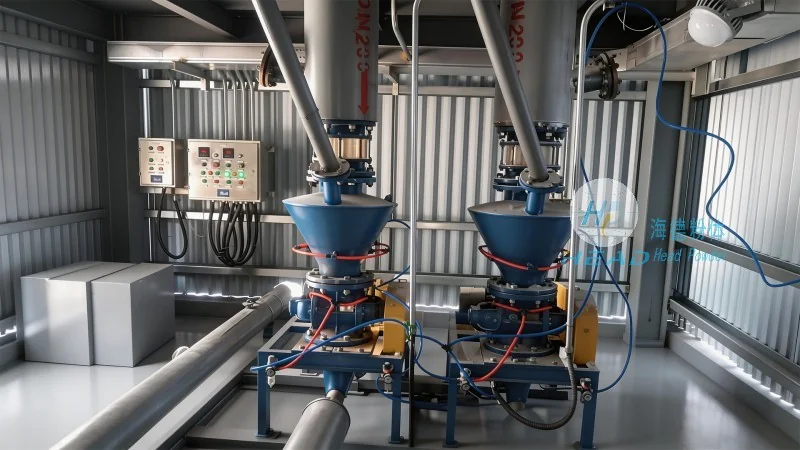
Key Structural Components of the Sand Particle Pneumatic Conveying Equipment
The sand particle pneumatic conveying system consists of several critical components that work in unison to facilitate the transport of material. The primary components include the material hopper, air compressor, conveying line, and discharge valve. The material hopper is designed to store the sand particles and feed them into the system at a controlled rate. It typically features a sloped bottom to ensure smooth material flow and may include a level indicator to monitor the material level. The air compressor is responsible for generating the necessary air pressure to move the particles through the conveying line. It can be either a positive displacement or centrifugal type, depending on the system requirements. The conveying line is made of durable materials such as stainless steel or PVC, which are resistant to abrasion and corrosion from the sand particles. The line may include bends, elbows, and straight sections to guide the material to the desired destination. The discharge valve is used to control the release of the sand particles at the end of the conveying line, ensuring precise and controlled discharge.
Working Principle of the Sand Particle Pneumatic Conveying Equipment
The operation of the sand particle pneumatic conveying equipment is based on the principle of air pressure to move solid particles. The process begins with the sand particles being fed from the hopper into the conveying line. Simultaneously, the air compressor supplies compressed air into the line, creating a pressure differential. As the air flows through the line, it entrains the sand particles, forming a slurry-like mixture known as a "pneumatic stream." The velocity of the air is maintained at a level sufficient to keep the particles suspended and prevent them from settling. The conveying line then transports the mixture to the discharge point, where the air and particles are separated. The air is typically vented to the atmosphere, while the sand particles are collected in a receiving container. The system operates continuously, with the air compressor providing a steady flow of air to maintain the conveying process. The control system monitors the pressure, flow rate, and material level, ensuring optimal performance and preventing issues such as blockages or excessive pressure.
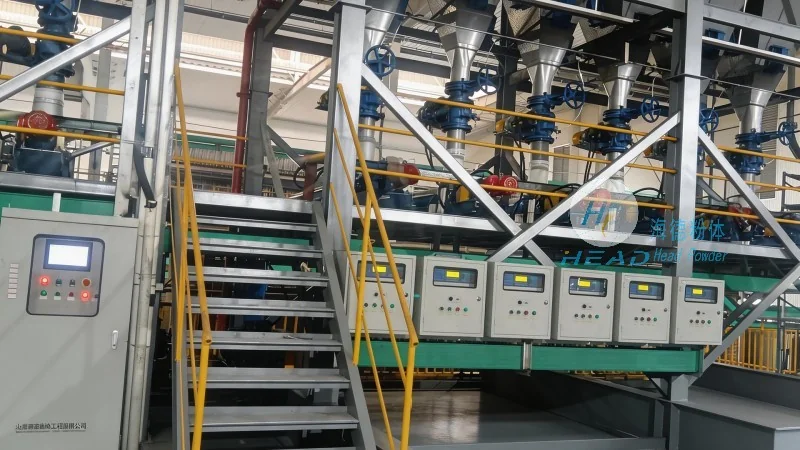
Advantages of Using Sand Particle Pneumatic Conveying Equipment
HeadPowder's sand particle pneumatic conveying equipment offers several advantages over traditional mechanical conveying methods. One of the key benefits is the ability to transport materials over long distances without the need for multiple transfer points. The system is also highly flexible, as it can be easily reconfigured to accommodate changes in the production process. Additionally, the equipment is relatively low-maintenance, as there are fewer moving parts compared to belt or screw conveyors. The use of air as the conveying medium also reduces the risk of material contamination and dust exposure, making it suitable for applications where hygiene is critical. Furthermore, the system can handle a wide range of particle sizes and shapes, including fine sand particles that are difficult to transport using other methods. The energy efficiency of the system is another advantage, as it can achieve high transport rates with lower energy consumption compared to other technologies.
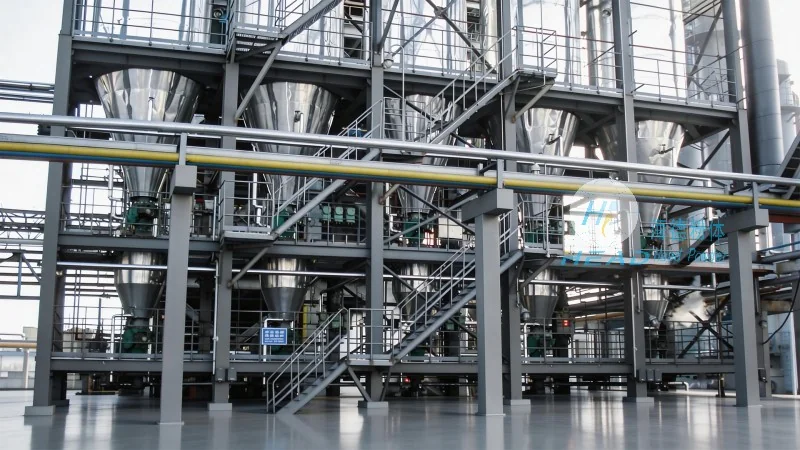
Applications of Sand Particle Pneumatic Conveying Equipment
The sand particle pneumatic conveying equipment is widely used in various industries, including construction, mining, and manufacturing. In the construction industry, it is commonly used to transport sand and other aggregates from storage silos to mixing plants or construction sites. The equipment is also used in mining operations to transport sand and other minerals from the mine to processing facilities. In manufacturing, it is applied in the production of concrete, cement, and other building materials, where the efficient transport of sand particles is essential. The equipment is also suitable for applications in the chemical and food industries, where the need to maintain a clean and hygienic environment is paramount. Overall, the sand particle pneumatic conveying equipment is a versatile and reliable solution for the transport of sand particles in a variety of industrial settings.
Conclusion
HeadPowder's sand particle pneumatic conveying equipment is a robust and efficient solution for the transport of sand particles. The system's design, based on advanced engineering principles, ensures reliable operation and minimal maintenance. With its ability to handle a wide range of particle sizes and its flexibility in application, the equipment is an ideal choice for various industrial needs. By understanding the structural components and working principles of the equipment, users can make informed decisions about its application and maintenance, ensuring optimal performance and longevity. HeadPowder continues to innovate in the field of pneumatic conveying systems, providing high-quality equipment that meets the evolving needs of the industry.




