Stearic acid sodium, also known as sodium stearate, is a widely used chemical in various industrial applications, including the food, cosmetics, and pharmaceutical sectors. The efficient and safe transportation of this material is crucial for maintaining production efficiency and product quality. This article provides an overview of the stearic acid sodium pneumatic conveying equipment, focusing on its structural design and operational principles.
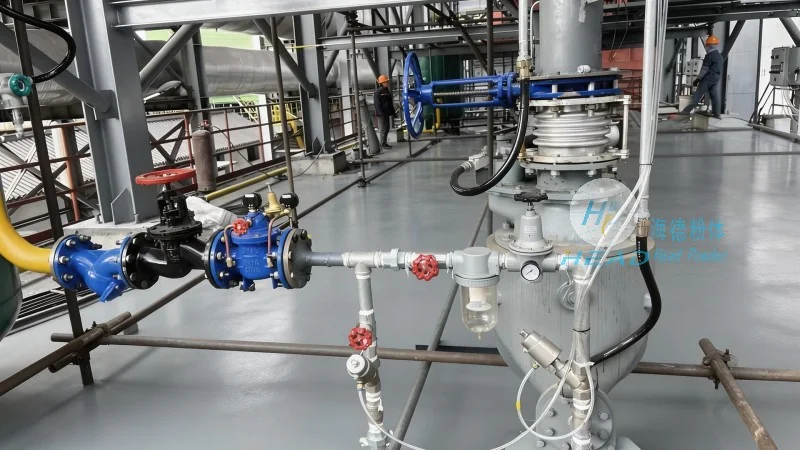
Company Profile: Shandong HeadPowder Engineering Co., Ltd.
HeadPowder, as a professional manufacturer in the field of powder processing equipment, has been dedicated to providing high-quality solutions for material handling and conveying. With years of experience and technical expertise, the company specializes in designing and manufacturing pneumatic conveying systems tailored to the specific needs of different industries. The company's commitment to innovation and customer satisfaction has established it as a reliable partner in the powder processing industry.
Basic Structure of Pneumatic Conveying Equipment
The stearic acid sodium pneumatic conveying system typically consists of several key components that work in coordination to achieve the material's transport. The main parts include the hopper, feeding device, air compressor, conveying pipeline, and receiving hopper. Each component plays a vital role in the overall operation of the system.
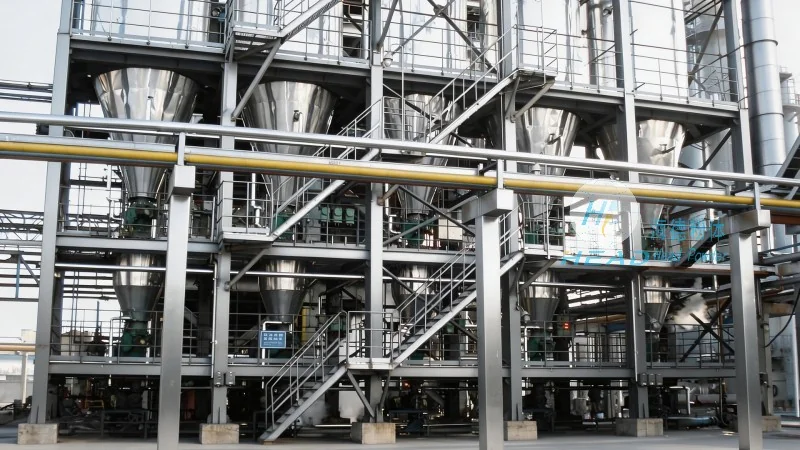
The hopper is designed to store the stearic acid sodium powder, ensuring a stable and continuous supply of material. It is equipped with a feeding mechanism, such as a rotary valve or a star feeder, which controls the flow rate of the powder into the conveying pipeline. The air compressor generates the necessary air pressure to create a flow of air within the pipeline, which then carries the powder particles along with it. The conveying pipeline is usually made of stainless steel or other corrosion-resistant materials to prevent contamination and ensure durability. The receiving hopper collects the conveyed material at the destination point, completing the transport process.
Working Principle of Pneumatic Conveying
The operation of the stearic acid sodium pneumatic conveying equipment is based on the principle of air flow and particle suspension. When the air compressor starts, it generates high-pressure air that enters the conveying pipeline. The feeding device then releases the stearic acid sodium powder into the pipeline, where the air flow lifts and transports the powder particles. The speed and pressure of the air are carefully controlled to maintain a stable conveying velocity and prevent particle degradation or clogging. The system can operate in both positive and negative pressure modes, depending on the specific application requirements. In positive pressure systems, the pipeline is pressurized with air, while in negative pressure systems, the pipeline is maintained at a lower pressure than the surrounding environment, creating a suction effect to draw the material.
Advantages of Stearic Acid Sodium Pneumatic Conveying Equipment
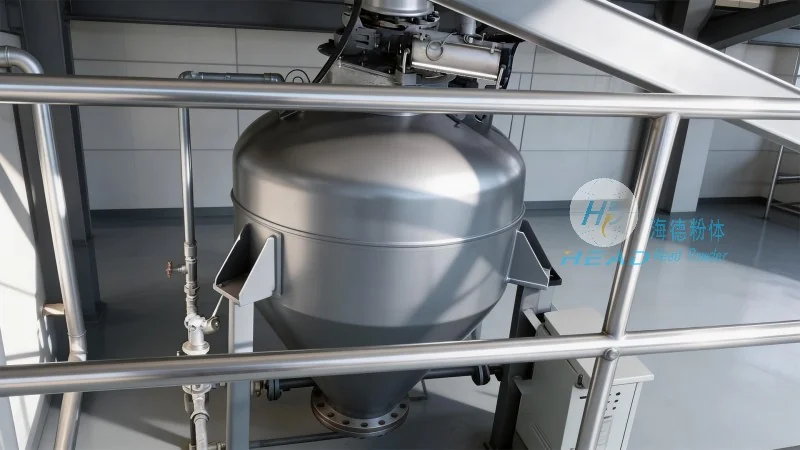
Compared to traditional mechanical conveying methods, the pneumatic conveying system offers several advantages for transporting stearic acid sodium. Firstly, it provides a closed system, which helps to prevent dust pollution and maintain a clean working environment. This is particularly important for stearic acid sodium, which is often used in food and pharmaceutical applications where hygiene is critical. Secondly, the system can handle a wide range of particle sizes and moisture contents, making it suitable for various types of stearic acid sodium products. Thirdly, the conveying process is relatively gentle, minimizing the risk of particle breakage or agglomeration, which can affect the material's quality. Additionally, the system allows for easy integration with other processing equipment, such as mixers or granulators, enabling a seamless production line.
Application Scenarios
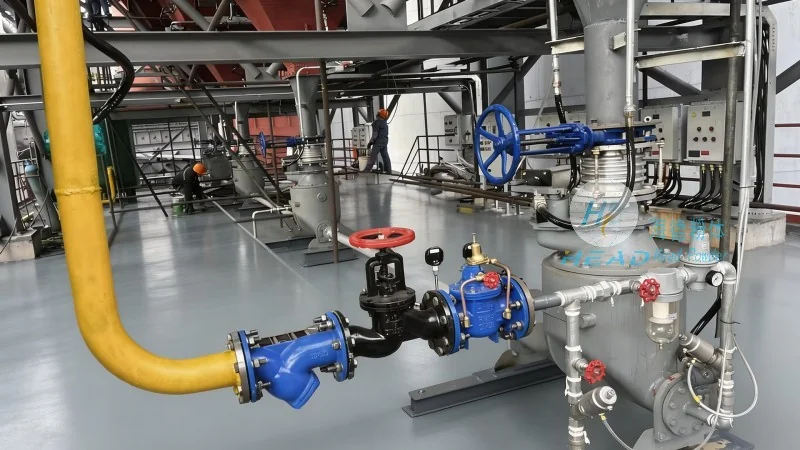
The stearic acid sodium pneumatic conveying equipment is widely used in different industrial settings. In the food industry, it is commonly employed to transport stearic acid sodium used as an emulsifier or anti-caking agent in food products. The equipment ensures that the powder is delivered to the production line without contamination or loss. In the cosmetics industry, the system is used to convey stearic acid sodium used in the formulation of creams, lotions, and other personal care products. The gentle conveying process helps to preserve the product's texture and quality. In the pharmaceutical industry, the equipment is utilized to transport stearic acid sodium used as an excipient in drug formulations. The closed system and hygienic design of the equipment meet the stringent requirements of pharmaceutical manufacturing.
Conclusion
Stearic acid sodium pneumatic conveying equipment is an essential tool for efficiently and safely transporting this important chemical. The structural design and working principles of the system ensure reliable operation and high material handling capacity. With its advantages in hygiene, flexibility, and integration, the equipment is a preferred choice for various industries. As a leading manufacturer, Shandong HeadPowder Engineering Co., Ltd. continues to innovate and provide advanced pneumatic conveying solutions to meet the evolving needs of the market.




