Plastic pellet pneumatic conveying systems are essential equipment in the plastic processing industry, designed to efficiently transport plastic pellets from one location to another within a production facility. These systems utilize air as the primary medium to move the material, offering a clean, dust-free, and flexible method of material handling compared to traditional mechanical conveyors. The core components and working principles of such systems are crucial for understanding their application and performance in industrial settings.
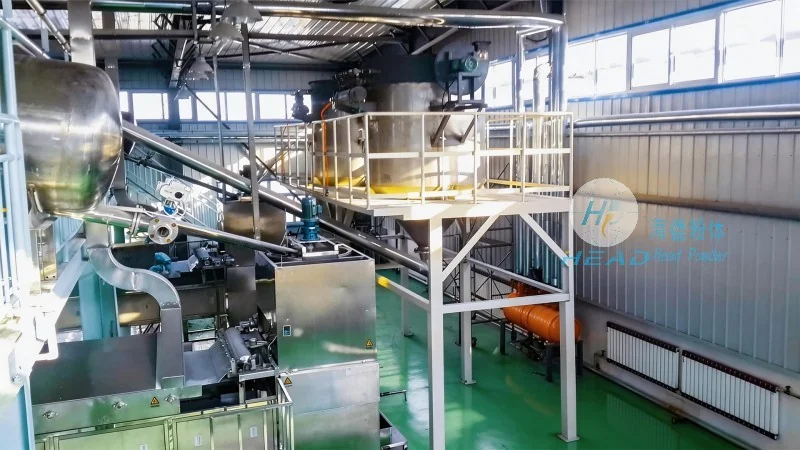
Key Structural Components of Pneumatic Conveying Systems
At the heart of a plastic pellet pneumatic conveying system are several key components that work in tandem to ensure efficient material transport. The primary components include the hopper or feed bin, which holds the plastic pellets and provides a controlled feed to the system. The feeder, typically a rotary valve or screw feeder, regulates the flow of pellets into the conveying line. The conveying line itself, often made of stainless steel or other corrosion-resistant materials, is where the pellets are propelled by compressed air. The air compressor or blower generates the necessary air pressure, while the filter and cyclone separator are critical for cleaning the air and separating any entrained particles. Finally, the discharge hopper or collection bin receives the pellets at the destination point.
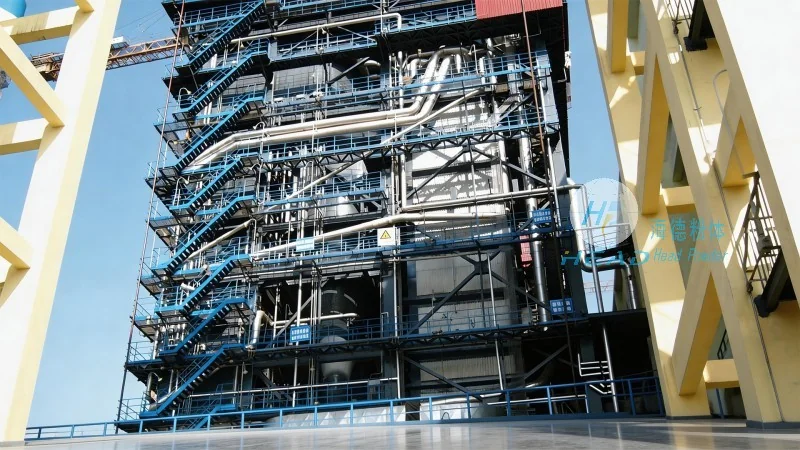
Working Principle of Pneumatic Conveying Systems
The operation of a plastic pellet pneumatic conveying system follows a systematic process. Initially, the plastic pellets are loaded into the feed hopper. The feeder then controls the rate at which pellets are released into the conveying line. Compressed air, supplied by the air compressor, is introduced into the line, creating a flow that propels the pellets forward. As the pellets travel through the line, they are carried by the air stream, which can be either positive pressure (where air pushes the material) or negative pressure (where air pulls the material). The system's design, including the size and configuration of the conveying line, determines the optimal air velocity and pressure required to move the pellets efficiently without causing degradation or breakage. The filter and cyclone separator ensure that the air is cleaned before it is discharged, maintaining a clean working environment and preventing contamination of the pellets.
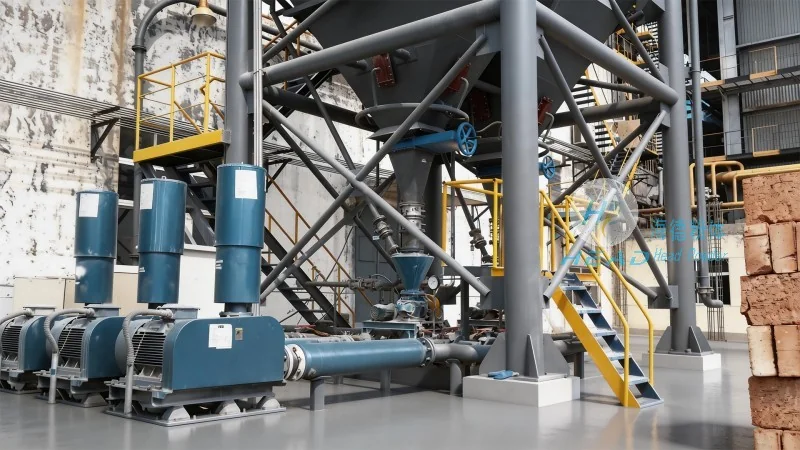
Applications and Benefits in Plastic Processing
Plastic pellet pneumatic conveying systems are widely used in various stages of plastic processing, including raw material handling, blending, and product transfer. Their benefits include reduced labor costs, improved safety by eliminating manual handling of pellets, and enhanced product quality by minimizing contamination and dust exposure. The flexibility of pneumatic systems allows for easy integration into existing production lines and the ability to transport materials over long distances or through complex layouts. Additionally, these systems can handle a variety of plastic pellet sizes and types, making them versatile for different manufacturing processes.
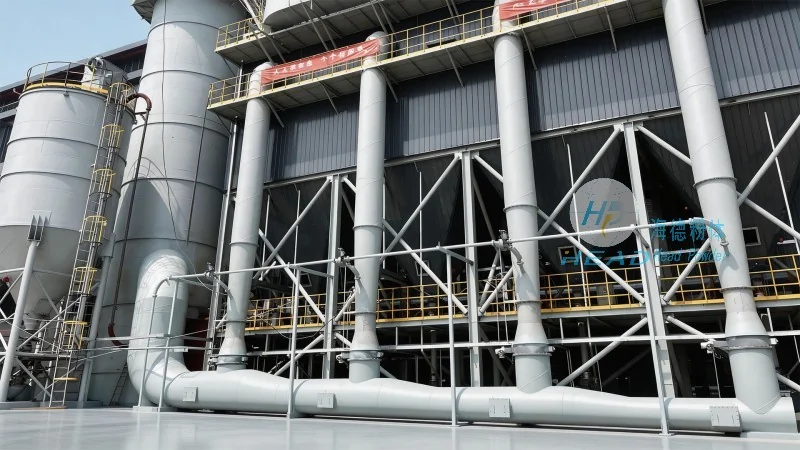
About Shandong HeadPowder Engineering Co., Ltd.
Shandong HeadPowder Engineering Co., Ltd., commonly known as headpowder, is a leading manufacturer of pneumatic conveying systems and related equipment. With a focus on innovation and quality, the company specializes in designing and producing customized solutions for the plastic industry. Headpowder's facilities are located in Shandong, China, where the company leverages advanced technology and experienced engineering teams to develop reliable and efficient conveying systems. The company's commitment to customer satisfaction and product excellence has made it a trusted partner for businesses seeking to optimize their material handling processes in the plastic sector.




