Fluoride lithium is a crucial material in various industrial applications, and the efficient handling of this substance often relies on specialized equipment. The lithium fluoride pneumatic conveying system is a key solution for transporting lithium fluoride safely and effectively. This article provides an overview of the lithium fluoride pneumatic conveying equipment, focusing on its structure and operational principles.
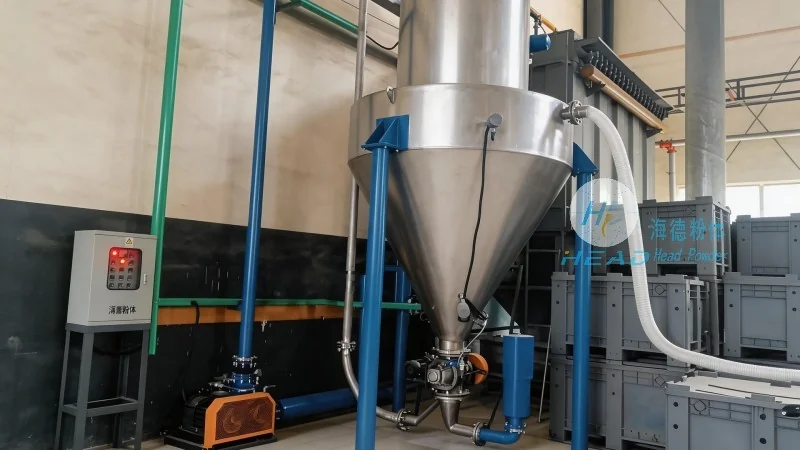
Overview of Lithium Fluoride Pneumatic Conveying Equipment
Lithium fluoride (LiF) is widely used in the production of ceramics, glass, and as a component in nuclear fuel applications. Due to its chemical properties and handling requirements, conventional bulk material handling methods may not be suitable. The pneumatic conveying system offers a solution by using air or other gases to transport the material through a pipeline network. This method minimizes contamination, reduces dust exposure, and enhances operational safety compared to mechanical conveying systems.
Structural Components of the Pneumatic Conveying System
The lithium fluoride pneumatic conveying equipment typically consists of several key components that work in tandem to ensure efficient material transport. The main components include the material hopper, feeder, air compressor, conveying pipeline, and receiver. Each component plays a critical role in the overall system performance.
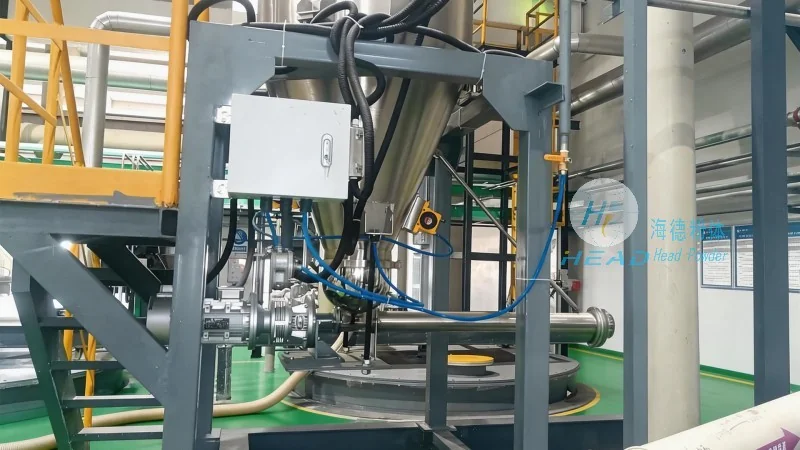
The material hopper is designed to store and feed the lithium fluoride into the system. It is equipped with a discharge valve and a feeder mechanism, such as a rotary valve or a screw feeder, to control the flow rate of the material. The feeder ensures a consistent and controlled feed rate, preventing blockages and maintaining system stability.
The air compressor generates the necessary pressure and airflow to move the material through the pipeline. The compressor is selected based on the material characteristics, pipeline length, and required conveying capacity. The air is typically filtered and dried to prevent moisture and contaminants from affecting the lithium fluoride quality.
The conveying pipeline is made of materials resistant to lithium fluoride and the air flow. Common materials include stainless steel, PTFE-coated pipes, or specialized plastic pipes. The pipeline is designed with appropriate bends and fittings to minimize pressure loss and ensure smooth material flow. The system may include pulse jet valves or rotary air locks to control the material discharge at the receiver end.
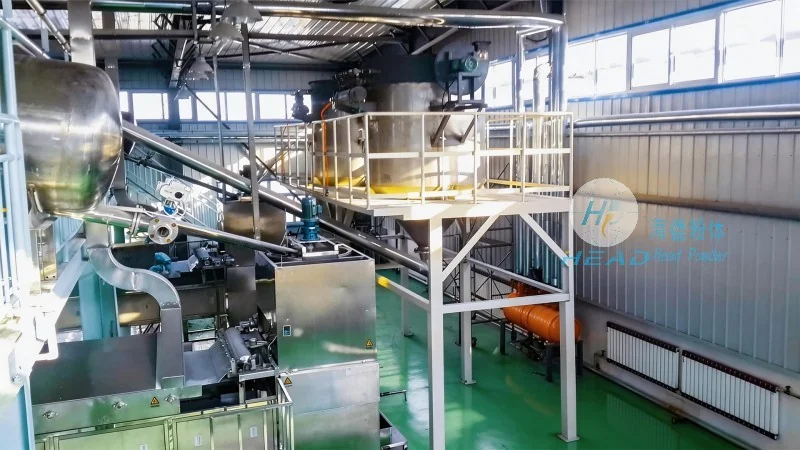
The receiver is the final component where the conveyed lithium fluoride is collected. It is equipped with a dust collection system and a discharge outlet to transfer the material to the next processing stage. The receiver design ensures that the material is contained and handled safely, preventing any spillage or environmental contamination.
Working Principle of the Pneumatic Conveying Process
The operation of the lithium fluoride pneumatic conveying system follows a sequential process. First, the lithium fluoride is fed from the hopper into the feeder. The feeder then releases the material into the conveying pipeline as the air compressor supplies high-pressure air. The air and material mixture travels through the pipeline, with the air velocity sufficient to keep the material suspended and transported to the receiver.
At the receiver end, the air is separated from the material using a rotary air lock or a pulse jet system. The air is then filtered and recycled back to the compressor, while the lithium fluoride is discharged into the receiver's collection bin. The system maintains a continuous flow by adjusting the feed rate and air pressure to match the conveying requirements.
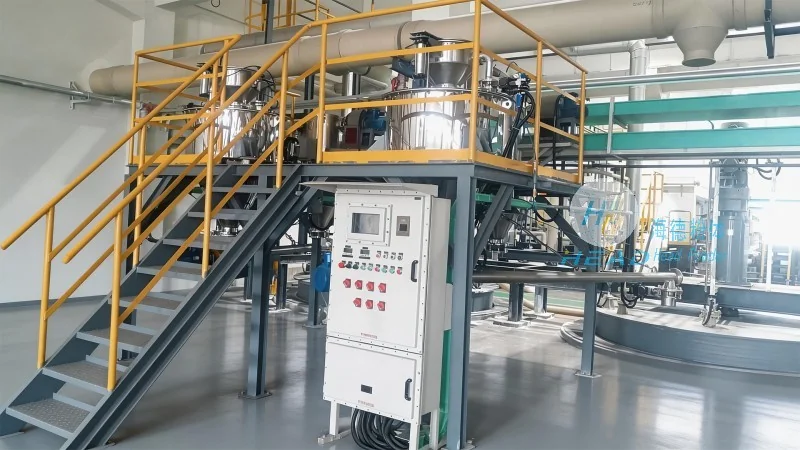
About Shandong HeadPowder Engineering Co., Ltd.
Shandong HeadPowder Engineering Co., Ltd., operating under the brand name headpowder, is a leading manufacturer of pneumatic conveying equipment. The company specializes in customizing and manufacturing lithium fluoride pneumatic conveying systems tailored to specific industrial needs. With a focus on quality and safety, HeadPowder provides reliable solutions for handling lithium fluoride and other hazardous materials.
HeadPowder's team of engineers and technicians designs and assembles the pneumatic conveying equipment using advanced technology and materials. The company adheres to international standards and ensures that all products meet the required specifications for material handling in various industries. The company's headquarters is located in Shandong, China, where it maintains a state-of-the-art manufacturing facility and research center.




