HeadPowder, a leading manufacturer based in Shandong, China, specializes in the design and production of advanced pneumatic conveying systems tailored for powder silo material handling. This article delves into the operation process and working principle of their powder silo material pneumatic conveying machines, providing a comprehensive understanding of how these systems efficiently transport bulk powders.
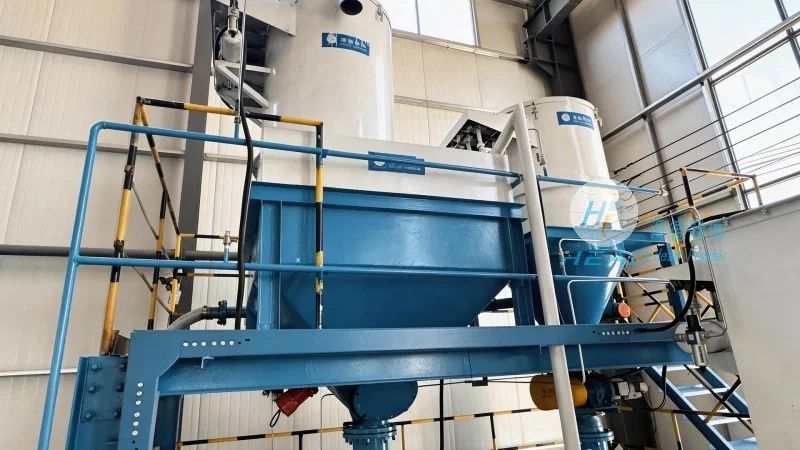
Understanding the Core Components and Functionality
The pneumatic conveying machine for powder silo material typically consists of several key components that work in synergy to ensure smooth material transfer. These include a silo or hopper for material storage, a conveying line (often equipped with air ducts), a blower or compressor to generate the necessary air pressure, and a receiver or discharge unit where the material is deposited. The system operates by creating a pressure differential between the material source and the discharge point, using compressed air to move the powder particles through the conveying line.
Step-by-Step Operation Process
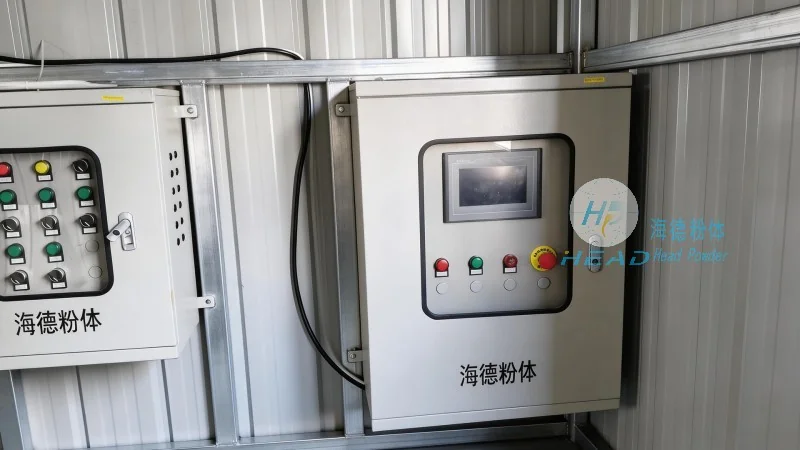
The operation of the powder silo material pneumatic conveying machine follows a systematic sequence to ensure efficient and reliable material handling. The process begins with the material being fed from the silo into the conveying line. The blower then activates, generating a flow of air that pulls the powder particles into the line. As the air and powder mixture travels through the ducts, the material is propelled towards the discharge point. The system may include features such as cyclone separators or filters to separate the powder from the air at the receiver, ensuring that the material is deposited in the desired location without contamination. The entire process is controlled by a programmable logic controller (PLC) or other automation systems, allowing for precise regulation of air pressure, flow rate, and material feed rate.
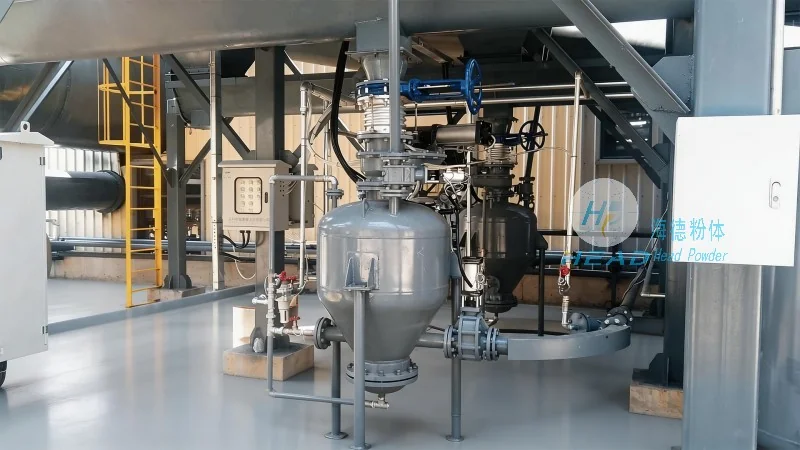
Working Principle: The Physics Behind Pneumatic Conveying
The working principle of the pneumatic conveying machine relies on the fundamental physics of fluid dynamics and particle motion. When compressed air is introduced into the conveying line, it creates a low-pressure zone that draws the powder particles into the air stream. The air flow velocity is maintained at a level sufficient to overcome the gravitational force acting on the particles, ensuring that they remain suspended and transported. The choice of air velocity and pressure is critical, as it directly impacts the conveying capacity and efficiency of the system. Higher air velocities can handle larger quantities of material but may increase energy consumption and wear on components. Conversely, lower velocities are suitable for delicate or fine powders, minimizing the risk of particle degradation or clogging.
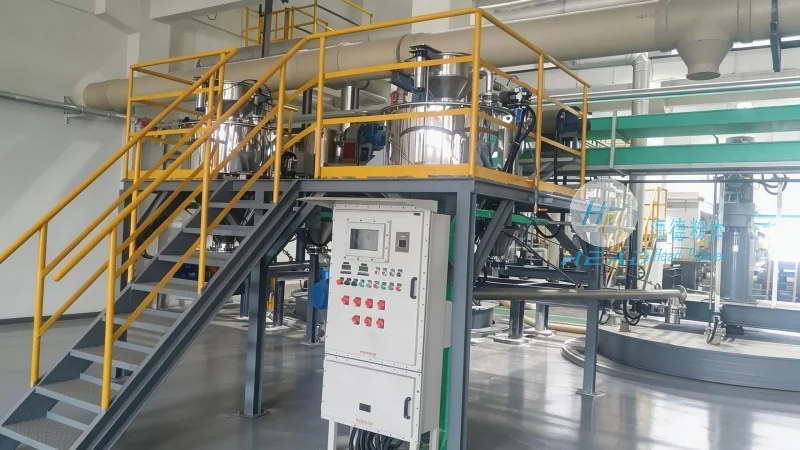
Advantages of Pneumatic Conveying Systems for Powder Silo Material
Compared to traditional mechanical conveying methods, pneumatic conveying systems offer several advantages for handling powder silo material. These include the ability to transport materials over long distances without the need for multiple transfer points, reduced risk of material contamination due to enclosed systems, and lower maintenance requirements as there are fewer moving parts. Additionally, pneumatic conveying can handle a wide range of powder types, from fine powders to bulkier granules, making it versatile for various industrial applications. The system's flexibility also allows for easy integration with existing production lines and automation processes, enhancing overall operational efficiency.
Applications and Industries
Pneumatic conveying machines for powder silo material are widely used in various industries, including pharmaceuticals, food processing, chemical manufacturing, and cement production. In the pharmaceutical industry, for example, these systems are essential for transporting active ingredients and excipients with strict purity requirements, as they prevent cross-contamination and maintain product integrity. In the food industry, pneumatic conveying is used to handle powders such as flour, sugar, and spices, ensuring hygienic and efficient transfer. The chemical industry relies on these systems to transport raw materials and finished products, while the cement industry uses them for handling bulk cement and additives. The versatility and reliability of pneumatic conveying make it a preferred choice for industries that require consistent and high-quality material handling solutions.
Conclusion and Company Overview
HeadPowder Engineering Co., Ltd., based in Shandong, China, is a trusted provider of pneumatic conveying systems for powder silo material handling. By understanding the operation process and working principle of these machines, industries can leverage the benefits of efficient, reliable, and versatile material transport solutions. The company's commitment to quality and innovation ensures that their systems meet the highest standards of performance and durability, making them suitable for a wide range of industrial applications. With a focus on customer satisfaction and technical excellence, HeadPowder continues to lead the way in the development of advanced material handling technologies.




