HeadPowder, a leading provider of industrial material handling solutions, specializes in advanced negative pressure pneumatic conveying systems designed for efficient and reliable transport of powder materials. This article explores the fundamental principles behind such systems and highlights key working scene characteristics that make them ideal for various industrial applications.
Company Introduction
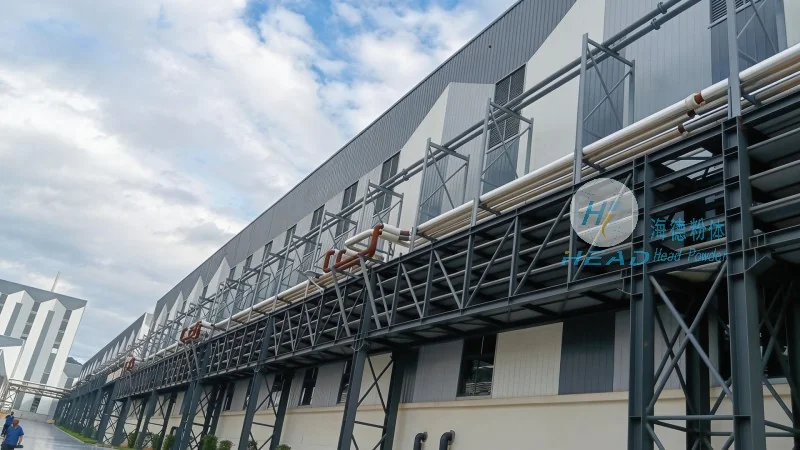
HeadPowder, operating under the full name Shandong HeadPowder Engineering Co., Ltd., is headquartered in Shandong, China. With a strong commitment to innovation and quality, the company has established itself as a trusted partner in the field of material handling technology, offering tailored solutions that meet the diverse needs of industries worldwide.
Principle of Negative Pressure Pneumatic Conveying
The core principle of a negative pressure pneumatic conveying system involves creating a low-pressure environment within a conveying line to draw powder materials from a source into a collection vessel. This is achieved by using a vacuum pump or fan to generate a pressure differential between the material source and the receiving end. The system typically consists of a hopper, a vacuum pump, a filter, and a conveying line, all working in tandem to ensure smooth material transport.
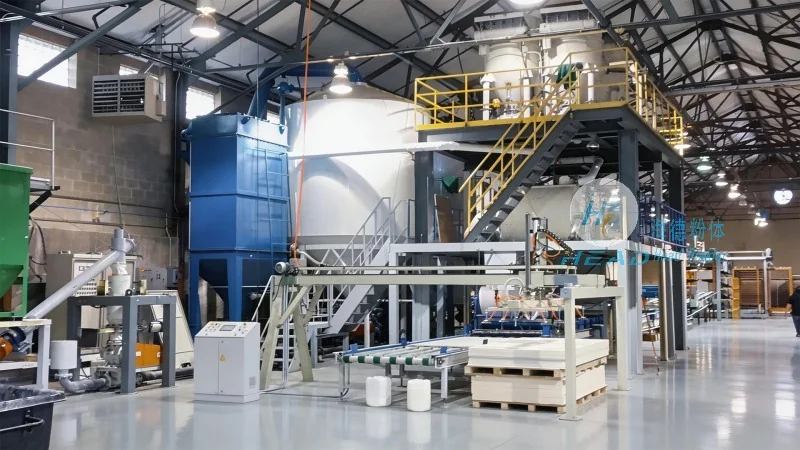
During operation, the vacuum pump creates a negative pressure in the conveying line, which draws the powder particles from the hopper into the line. The powder is then carried by the airflow through the system, passing through a filter to remove any fine particles or contaminants before being deposited into the collection vessel. This process is highly efficient for transporting dry powders over short to medium distances, with minimal product degradation and contamination.
Working Scene Characteristics
Negative pressure pneumatic conveying systems are particularly well-suited for applications where dust control and product purity are critical. The enclosed system design prevents dust from being released into the environment, making it ideal for handling sensitive or hazardous powders. Additionally, the system's ability to handle powders with varying flow properties, such as cohesive or abrasive materials, makes it versatile for different industrial scenarios.
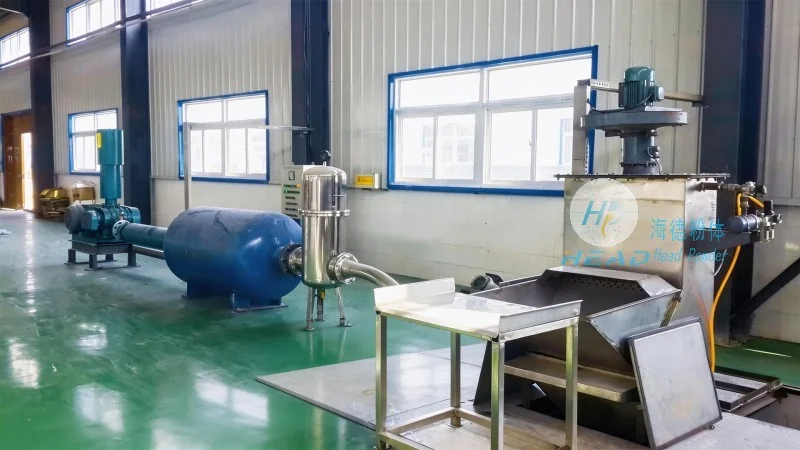
One of the key advantages of this system is its suitability for applications requiring gentle handling of materials, which is essential for maintaining product quality. The low-velocity airflow in the conveying line minimizes particle impact and abrasion, ensuring that the material's physical and chemical properties remain intact. This is particularly important for pharmaceutical, food, and chemical industries where product integrity is paramount.
Application Scenarios
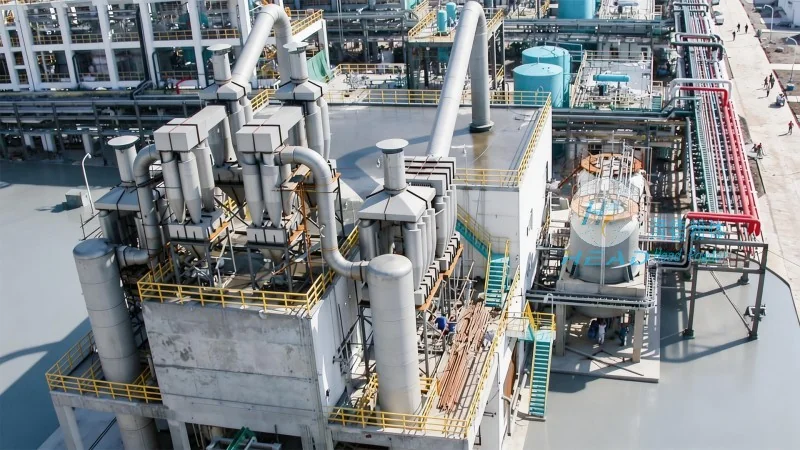
These systems are commonly used in a variety of industrial settings, including pharmaceutical manufacturing, food processing, chemical production, and mining. In pharmaceutical plants, they are used to transport active pharmaceutical ingredients (APIs) and excipients with strict purity requirements. In food processing facilities, they handle powders like flour, sugar, and spices, ensuring hygienic and contamination-free transport. In chemical plants, they convey raw materials and intermediates, supporting efficient production processes.
In mining operations, negative pressure conveying systems are employed to transport bulk materials like ores and minerals from storage silos to processing equipment. The system's ability to handle large volumes of material with minimal maintenance makes it a cost-effective solution for industrial-scale operations.
Advantages and Considerations
Compared to positive pressure systems, negative pressure conveying offers several benefits, including lower energy consumption and reduced noise levels. The system is also more suitable for applications where dust control is a priority, as the enclosed design prevents dust from escaping into the environment. However, it is important to consider the system's limitations, such as the maximum conveying distance and the type of powder materials that can be handled effectively.
Proper system design and maintenance are crucial for optimal performance. Factors such as the material's particle size, density, and flowability, as well as the system's pressure drop and airflow rate, must be carefully considered during the design phase. Regular maintenance, including filter cleaning and pump checks, is essential to ensure the system operates efficiently and reliably over time.




