

Operation Process and Working Principle of Pyrolysis Carbon Powder Pneumatic Conveying Line
Shandong HeadPowder Engineering Co., Ltd. specializes in the design, manufacturing, and installation of advanced pneumatic conveying systems tailored for handling pyrolysis carbon powders. With a focus on efficiency and reliability, our company provides comprehensive solutions that meet the unique demands of industrial applications. HeadPowder, located in Shandong, China, leverages years of expertise to deliver high-performance equipment for the transportation of fine carbon powders in various industrial settings.
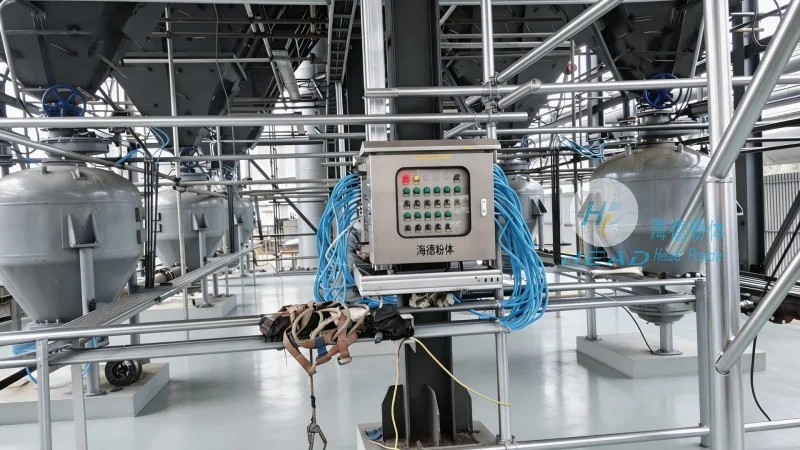
Introduction to Pyrolysis Carbon Powder Pneumatic Conveying Lines
Pyrolysis carbon powder, derived from the thermal decomposition of organic materials, is a fine particulate material widely used in battery manufacturing, carbon black production, and other industrial processes. The pneumatic conveying line is an essential system for transporting these powders from storage silos or processing units to downstream equipment such as mixers, reactors, or packaging systems. This technology offers a dust-free, continuous, and efficient method of material handling compared to traditional mechanical conveyors.
Key Components of the Pneumatic Conveying System
The pyrolysis carbon powder pneumatic conveying line typically consists of several critical components that work in tandem to ensure smooth operation. These include a material feeder, a conveying pipeline, a pressure vessel or receiver, a control system, and a dust collection unit. The material feeder is responsible for accurately dosing the carbon powder into the system, while the pipeline transports the material under pressure. The pressure vessel collects the conveyed material and allows for pressure equalization before discharge. The control system monitors and regulates the flow rate, pressure, and other operational parameters to maintain optimal performance. The dust collection unit ensures environmental compliance by capturing any fine particles that may escape during the conveying process.
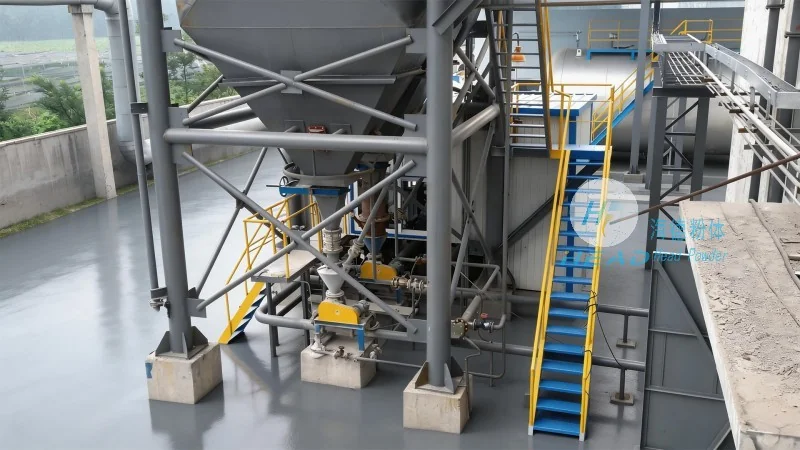
Operation Process of the Pneumatic Conveying Line
The operation of the pyrolysis carbon powder pneumatic conveying line begins with the feeding of the carbon powder into the material feeder. The feeder then releases the powder into the conveying pipeline, where it is mixed with a carrier gas, typically air or a combination of air and inert gases. The carrier gas, under pressure, propels the powder particles through the pipeline to the receiving vessel. As the material reaches the pressure vessel, the pressure is equalized, and the powder is discharged into the next processing stage. The system continuously monitors the pressure and flow rates to ensure consistent performance and prevent blockages or other operational issues. The entire process is automated, allowing for precise control and minimal human intervention.
Working Principle of the Pneumatic Conveying System
The working principle of the pyrolysis carbon powder pneumatic conveying line is based on the fundamental physics of fluid dynamics and particle transport. The system operates by creating a pressure differential between the feeding point and the receiving point. The carrier gas, under pressure, creates a flow that entrains the carbon powder particles, forming a slurry-like mixture. This mixture is then transported through the pipeline due to the pressure gradient. The velocity of the gas and the size of the powder particles determine the conveying velocity and the required pressure. The system is designed to maintain a stable flow rate, ensuring that the powder is transported without segregation or degradation. The pressure vessel acts as a buffer, allowing for the smooth discharge of the material and preventing backflow or pressure surges.
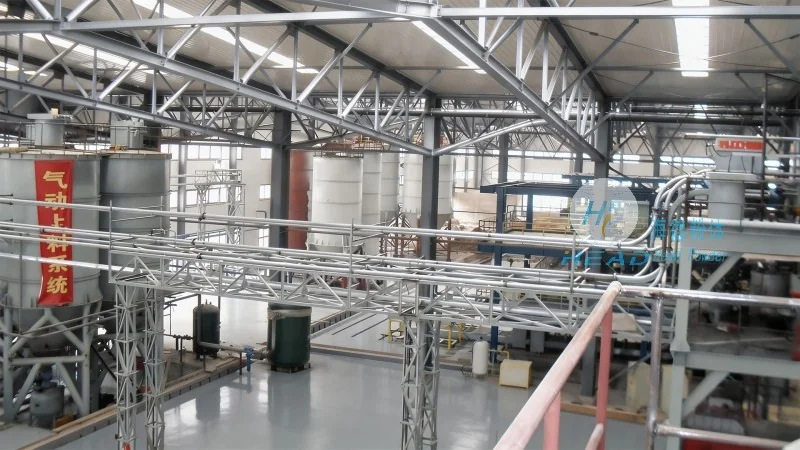
Advantages of the Pyrolysis Carbon Powder Pneumatic Conveying Line
Implementing a pneumatic conveying line for pyrolysis carbon powders offers several advantages over traditional handling methods. Firstly, it provides a dust-free environment, reducing the risk of inhalation hazards and contamination in the workplace. Secondly, the system enables continuous and automated material transport, improving production efficiency and reducing labor costs. Thirdly, the design allows for easy integration with existing processing equipment, minimizing the need for major infrastructure changes. Additionally, the system is highly flexible, capable of handling varying powder flow rates and particle sizes without significant modifications. The reliability of the pneumatic conveying line also reduces downtime and maintenance costs, contributing to overall operational savings.
Application Scenarios and Industrial Use Cases
The pyrolysis carbon powder pneumatic conveying line is widely used in various industrial applications where fine carbon powders are a key component. In battery manufacturing, the system efficiently transports carbon powders to the mixing and forming stages, ensuring consistent material properties. In carbon black production, the line delivers raw materials to the reactors, facilitating the controlled production of high-quality carbon black. Other applications include the handling of carbon powders in chemical processing, pharmaceuticals, and environmental remediation. The adaptability of the system makes it suitable for both small-scale and large-scale industrial operations, catering to the diverse needs of different industries.
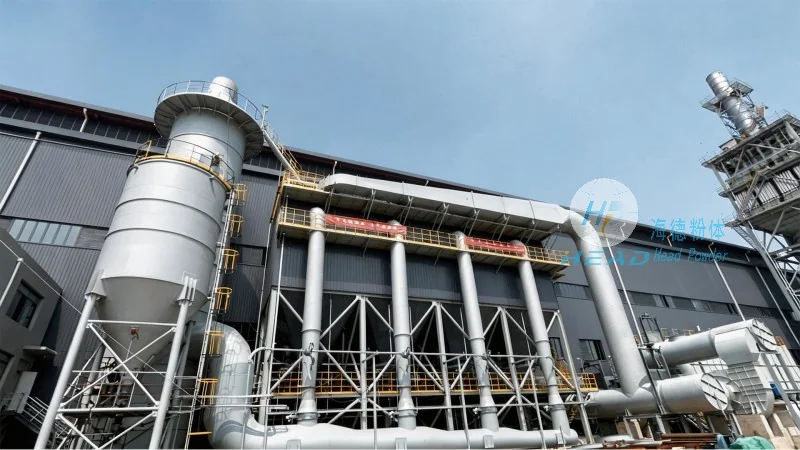
Maintenance and Operational Considerations
To ensure the long-term performance and reliability of the pyrolysis carbon powder pneumatic conveying line, regular maintenance and proper operational considerations are essential. The system requires periodic cleaning of the pipeline and components to prevent powder buildup and blockages. The material feeder and control system should be inspected regularly to ensure accurate dosing and stable operation. The pressure vessel and dust collection unit need to be checked for wear and tear, and any necessary repairs should be performed promptly. Operational parameters such as pressure and flow rate should be monitored continuously to detect any deviations from the optimal settings. Proper training of operators on the system's operation and maintenance is also crucial to prevent accidents and ensure safe and efficient operation.
Conclusion
Shandong HeadPowder Engineering Co., Ltd. provides advanced pyrolysis carbon powder pneumatic conveying lines that offer efficient, reliable, and safe material handling solutions for industrial applications. By leveraging the expertise in pneumatic conveying technology, HeadPowder ensures that the systems are tailored to meet the specific requirements of each client, delivering high-performance equipment that enhances productivity and operational efficiency. The operation process and working principle of these systems are designed to optimize the transportation of fine carbon powders, contributing to the overall success of industrial processes that rely on these materials.