

What is a Furnace-Injected Calcium System Equipment? Understanding Its Design Principles
The furnace-injected calcium system, also known as a dry flue gas desulfurization (FGD) system, is a critical technology used in power plants and industrial facilities to reduce sulfur dioxide (SO₂) emissions from combustion processes. This system employs a calcium-based reagent, typically limestone or calcium carbonate, which is injected directly into the flue gas stream within the boiler or furnace. The primary objective is to neutralize the acidic components in the flue gas, thereby minimizing the environmental impact of sulfur emissions and complying with stringent air quality regulations.
Key Components of the Furnace-Injected Calcium System
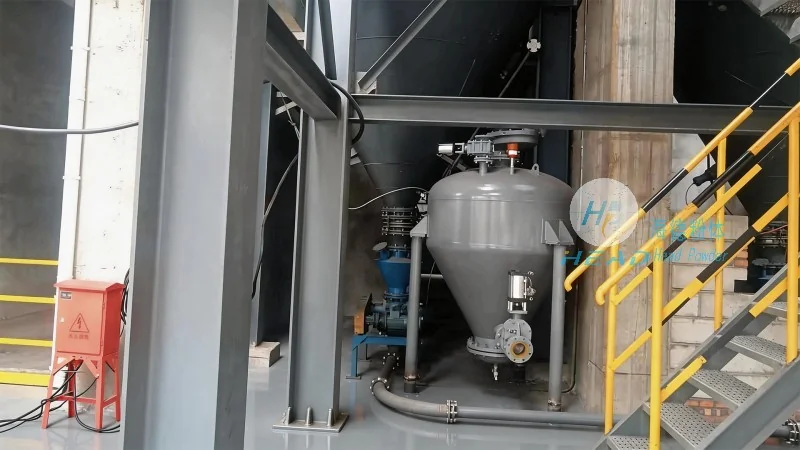
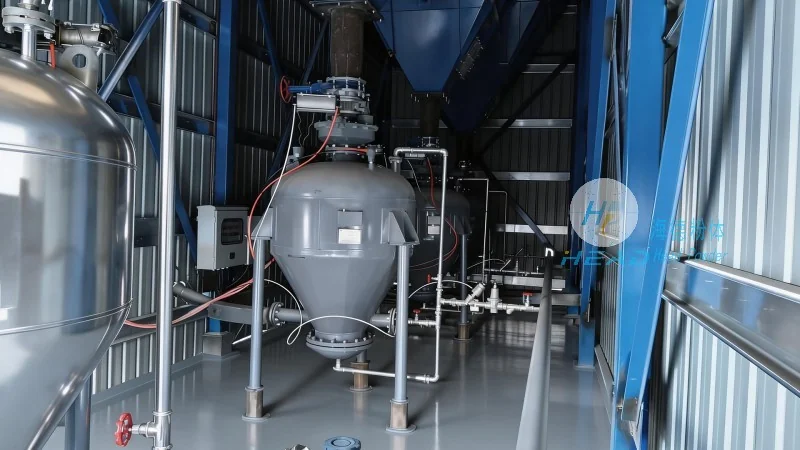
At the core of a furnace-injected calcium system are several essential components that work in concert to achieve effective desulfurization. The main components include a reagent storage and feeding system, a high-pressure or pneumatic injection system, and a distribution network that ensures uniform dispersion of the calcium reagent into the flue gas. The reagent storage system typically consists of silos or hoppers that hold the limestone or calcium carbonate, with a feeding mechanism (such as a screw conveyor or rotary valve) that regulates the flow rate. The injection system, often powered by compressed air or a high-pressure pump, transports the reagent from the storage area to the injection point. The distribution network, which may include nozzles or spray guns, disperses the reagent as fine particles into the flue gas, maximizing contact with the acidic gases.
Design Principles and Operational Mechanisms
The design of a furnace-injected calcium system is guided by several key principles aimed at optimizing efficiency and performance. One of the primary design considerations is the reagent-to-sulfur dioxide (SO₂) molar ratio, which must be carefully calculated to ensure complete neutralization without excessive reagent usage. The system is designed to operate at the optimal temperature range of the flue gas, typically between 300°C and 450°C, where the chemical reaction between calcium compounds and sulfur dioxide is most effective. The injection point is strategically located within the furnace or boiler, often near the exit of the combustion zone, to allow sufficient residence time for the reaction to occur. Additionally, the system incorporates features such as particle size control and uniform distribution to enhance the reaction kinetics and minimize reagent waste.
Advantages of the Furnace-Injected Calcium System
Compared to other desulfurization technologies, the furnace-injected calcium system offers several advantages that make it a preferred choice for many industrial applications. One of the most significant benefits is its high efficiency in reducing SO₂ emissions, often achieving removal rates of 90% or higher under optimal conditions. The system is also relatively compact and low-profile, requiring less space in the plant compared to wet FGD systems. Furthermore, it operates with minimal water usage, making it suitable for regions with water scarcity. The reagent (limestone) is inexpensive and readily available, reducing the overall operating costs. Another advantage is the reduced risk of corrosion and equipment damage, as the system operates in a dry environment, eliminating the need for large water treatment systems.
Application and Installation Considerations
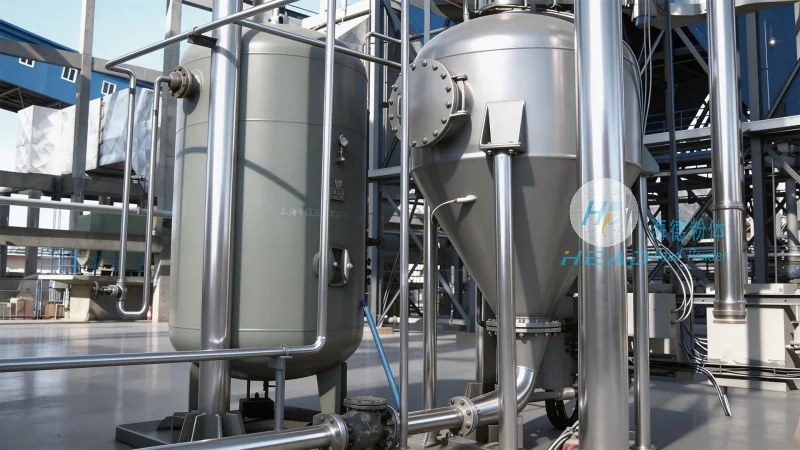
The furnace-injected calcium system is widely used in coal-fired power plants, industrial boilers, and other facilities that generate flue gas with high sulfur content. The installation process involves integrating the system into the existing boiler or furnace infrastructure, which may require modifications to the flue gas ductwork and reagent handling systems. The system is designed to be compatible with various boiler sizes and firing rates, making it adaptable to different plant capacities. During installation, engineers from Shandong HeadPowder Engineering Co., Ltd. ensure that all components are properly aligned and calibrated to achieve the desired performance. The company, based in Shandong, China, specializes in providing customized furnace-injected calcium systems tailored to the specific needs of each client, ensuring optimal performance and compliance with local environmental regulations.