Glucose material conveying lines are critical components in the production and processing of glucose, ensuring efficient and safe transportation of raw materials and finished products. This article provides a detailed overview of the operation process and working principle of such systems, highlighting the key aspects that contribute to their effectiveness in industrial settings. Developed by Shandong HeadPowder Engineering Co., Ltd. (headpowder), these conveying lines are designed to meet the specific needs of glucose manufacturers, combining advanced technology with robust engineering to deliver reliable performance.
Introduction to Glucose Material Conveying Lines
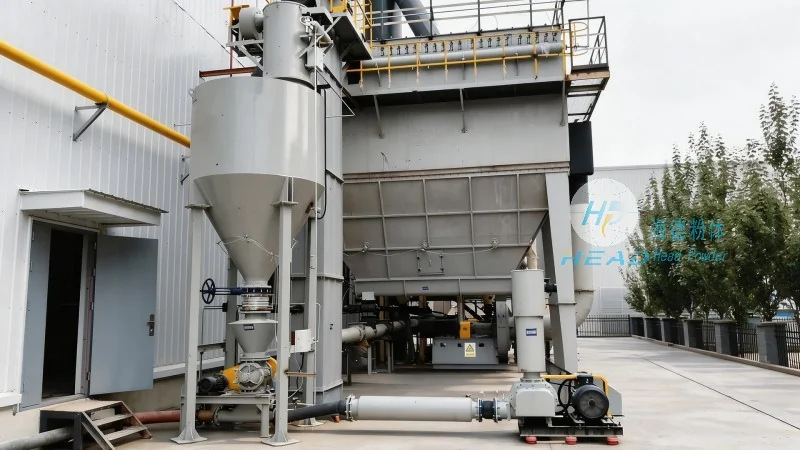
Glucose material conveying lines are specialized systems designed to handle the transportation of glucose and related materials within industrial facilities. These systems are essential for maintaining smooth production workflows, reducing manual handling risks, and optimizing material movement between different stages of the glucose production process. The design and implementation of these lines are tailored to meet the specific requirements of glucose processing, including considerations for material properties, production scale, and operational efficiency. With a focus on durability and adaptability, the conveying lines are built to withstand the demands of continuous operation in glucose production environments.
Key Components of the Conveying System
The glucose material conveying line typically consists of several key components that work in tandem to ensure reliable operation. These include: conveyor belts or chains, which provide the primary means of material transport; loading and unloading mechanisms, such as hoppers and chutes, that facilitate the transfer of materials into and out of the system; control units, which manage the operation of the conveyor and related equipment; and monitoring sensors, which provide real-time data on system performance and material flow. Each component is carefully selected and integrated to ensure compatibility with glucose materials, which may have specific handling requirements due to their granular or liquid nature. The materials used for construction, such as stainless steel or specialized polymers, are chosen for their resistance to corrosion and wear, ensuring long-term reliability.
Operation Process of the Glucose Material Conveying Line
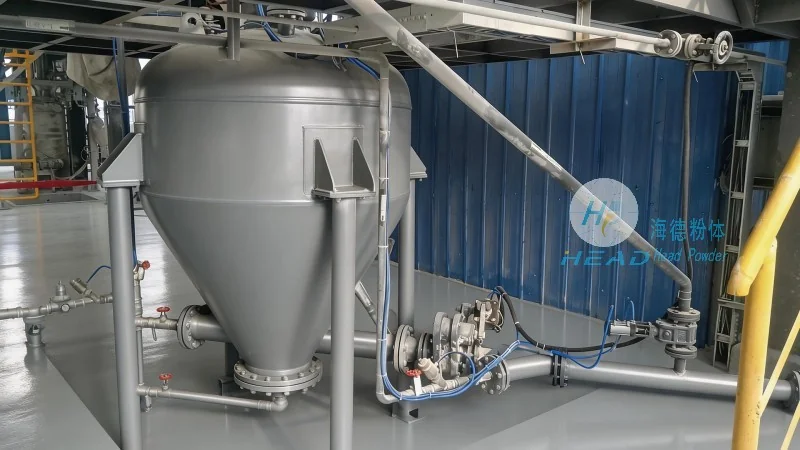
The operation process of a glucose material conveying line begins with the intake of raw materials, such as corn or other starch sources, into the system. The materials are then fed into the conveyor via hoppers or feeders, which ensure a consistent flow rate. As the materials move along the conveyor, they may undergo processes like mixing, drying, or sorting, depending on the production stage. The conveyor system transports the materials to the next processing unit or storage area, where they are either further processed or packaged for distribution. The entire process is automated, with control units regulating the speed and direction of the conveyor to maintain optimal material handling. Regular maintenance checks are performed to ensure the system operates smoothly and to prevent any disruptions in the production line. The system's design allows for easy integration with other production equipment, enhancing overall operational efficiency.
Working Principle of the Glucose Material Conveying Line
The working principle of the glucose material conveying line is based on mechanical and automated systems that work together to achieve efficient material transport. The primary mechanism involves the use of conveyor belts or chains that are driven by electric motors. These motors rotate pulleys or sprockets, which in turn move the conveyor belt or chain, carrying the glucose materials along the designated path. Sensors, such as photoelectric or proximity sensors, are integrated into the system to detect the presence and position of materials, ensuring that the conveyor operates only when necessary and preventing overloading or blockages. The control unit, often a programmable logic controller (PLC), processes signals from the sensors and adjusts the conveyor speed or direction as needed. This automated control system allows for precise and responsive handling of glucose materials, minimizing human intervention and reducing the risk of errors or accidents. The system's feedback loop ensures that any deviations from the desired operation are quickly corrected, maintaining consistent performance.
Technical Specifications and Performance
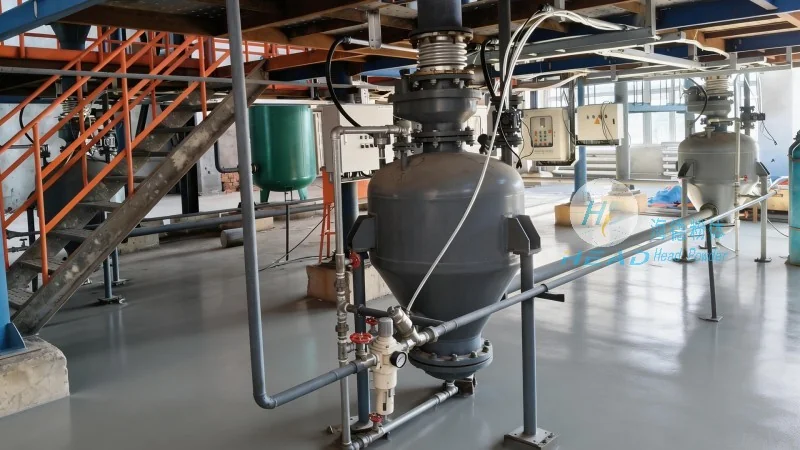
The technical specifications of a glucose material conveying line are designed to meet the demands of industrial glucose production. Key specifications include the conveyor capacity, which determines the volume of materials that can be transported per hour, typically ranging from several tons to hundreds of tons depending on the production scale. The conveyor speed is another critical parameter, with speeds adjusted to match the processing requirements of the glucose materials. The system is also engineered for durability and reliability, using materials resistant to corrosion and wear, such as stainless steel or specialized polymers, to withstand the handling of glucose and other similar materials. Additionally, the conveying line is equipped with safety features, including emergency stop buttons and overload protection, to ensure the safety of operators and the integrity of the system. Performance metrics, such as throughput and energy efficiency, are optimized through advanced engineering and regular testing, ensuring that the system delivers maximum value to the user.
Application and Benefits in the Industry
Glucose material conveying lines are widely used in the glucose industry, including the production of corn syrup, high-fructose corn syrup, and other glucose-based products. The benefits of these systems include improved production efficiency, reduced labor costs, and enhanced product quality. By automating the material handling process, the conveying line minimizes the need for manual labor, which can be hazardous and inefficient. The consistent flow of materials also ensures that production processes are not interrupted, leading to higher output and better resource utilization. Furthermore, the precise control of the conveying system helps maintain the quality of the glucose products, as it prevents contamination or degradation during transportation. The use of advanced sensors and control systems also enables real-time monitoring and data collection, allowing for continuous improvement and optimization of the production process. In addition to operational benefits, the conveying lines contribute to environmental sustainability by reducing waste and improving the overall efficiency of the production facility.




