

Operation Process and Working Principle of Industrial Alkali Material Conveying Lines
Industrial alkali material conveying lines are critical components in various industrial applications, designed to efficiently transport caustic materials such as sodium hydroxide, potassium hydroxide, and other alkaline substances. These systems are engineered to handle the unique challenges posed by alkali materials, including their corrosive nature, high reactivity, and the need for precise control during transport. The operation and working principles of these lines are fundamental to ensuring safe, reliable, and efficient material handling in industrial settings.
Key Components and Their Roles
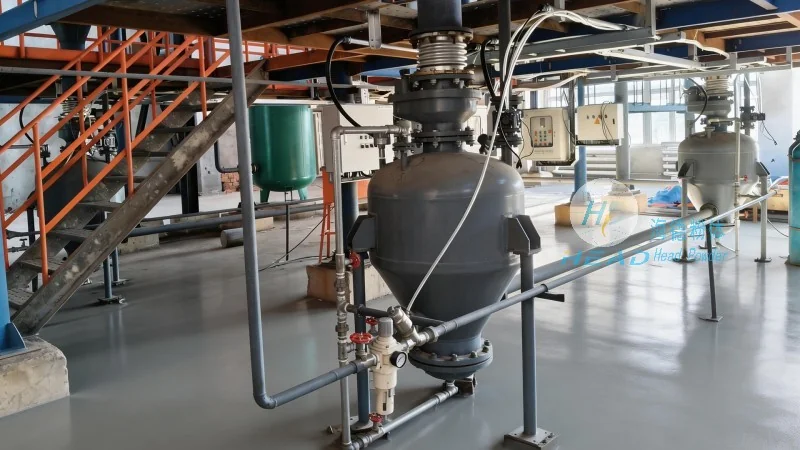
The industrial alkali material conveying line typically consists of several key components, each playing a vital role in the overall system. These components include feed hoppers, conveyor belts or screw conveyors, control systems, and safety mechanisms. The feed hopper is responsible for receiving and storing the alkali material, ensuring a consistent supply to the conveyor system. The conveyor mechanism, whether a belt conveyor or a screw conveyor, transports the material from the hopper to the processing or storage area. Control systems monitor and regulate the speed and flow of the material, while safety mechanisms prevent accidents and protect personnel from exposure to hazardous materials.
Operation Process: Step-by-Step Explanation
The operation of an industrial alkali material conveying line follows a systematic process to ensure smooth and safe material transport. The process begins with the loading of the alkali material into the feed hopper. The hopper is designed to handle the bulk storage of the material, often with a sloped bottom to facilitate flow. Once the material is loaded, the control system activates the conveyor mechanism. The conveyor then moves the material through the system, typically at a controlled speed to maintain uniform flow and prevent blockages. As the material travels, it may pass through additional components such as mixers or classifiers, depending on the specific application. The final stage involves the discharge of the material into the processing unit or storage container. Throughout the process, sensors and monitoring devices track the material level, flow rate, and temperature to ensure optimal performance and safety.
Working Principle: Mechanisms and Technologies
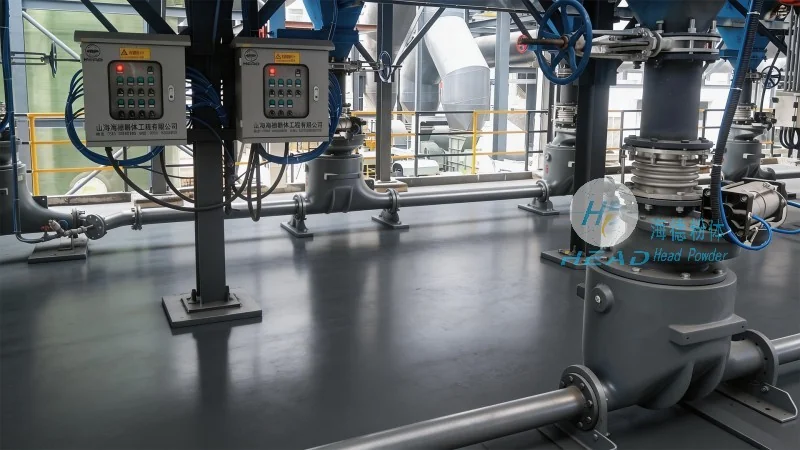
The working principle of industrial alkali material conveying lines is based on mechanical and hydraulic systems that work in tandem to transport the material. For belt conveyors, the system uses a motor-driven pulley to move the belt, which carries the material along its surface. The belt is often made of durable, corrosion-resistant materials such as rubber or polyurethane to withstand the chemical exposure. Screw conveyors, on the other hand, use a rotating screw to push the material forward, creating a continuous flow. This mechanism is particularly effective for handling fine or powdery alkali materials, as it minimizes dust generation and ensures consistent transport. Control systems, often integrated with PLC (Programmable Logic Controller) technology, manage the operation of these components, allowing for real-time adjustments based on process parameters. Safety features, including emergency stop buttons, material level alarms, and containment systems, are integrated to prevent leaks and spills, protecting both the environment and personnel.
Applications and Industries
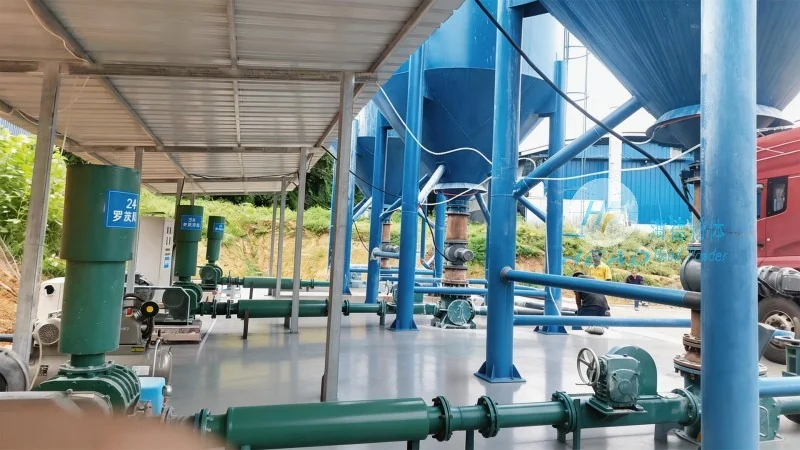
Industrial alkali material conveying lines are widely used in various industries, including chemical manufacturing, food processing, and pharmaceuticals. In chemical plants, these systems transport caustic soda for use in production processes such as soap making, paper manufacturing, and water treatment. In food processing, they handle alkaline substances used in baking and cheese production. The pharmaceutical industry also relies on these lines to transport alkali materials used in drug synthesis and formulation. The versatility of these conveying lines makes them essential in any industry where caustic materials are processed or handled.
Benefits and Advantages
Implementing an industrial alkali material conveying line offers several benefits to industrial operations. These systems enhance efficiency by reducing manual handling and minimizing material loss. They also improve safety by automating the transport process and reducing human exposure to hazardous materials. The precise control of flow and speed ensures consistent product quality and reduces the risk of contamination. Additionally, these systems are designed for durability and longevity, with corrosion-resistant materials and robust construction that can withstand the harsh conditions of alkali material handling. The integration of advanced control systems allows for remote monitoring and maintenance, further enhancing operational efficiency and reducing downtime.