

Operation Process and Working Principle of Coal Ash Granular Material Conveying Line
Coal ash granular material conveying lines are critical infrastructure in industrial operations, particularly for the efficient transportation of coal ash particles from power plants, waste management facilities, or recycling centers. These systems are engineered to handle bulk materials with precision, ensuring safe and reliable movement while minimizing operational disruptions. The design and functionality of these lines are tailored to meet the specific demands of coal ash handling, which involves managing fine to medium-sized granules that require consistent flow and controlled speed. As a key component in material handling processes, these conveying lines support downstream applications such as storage, processing, or disposal, making them indispensable in modern industrial settings.
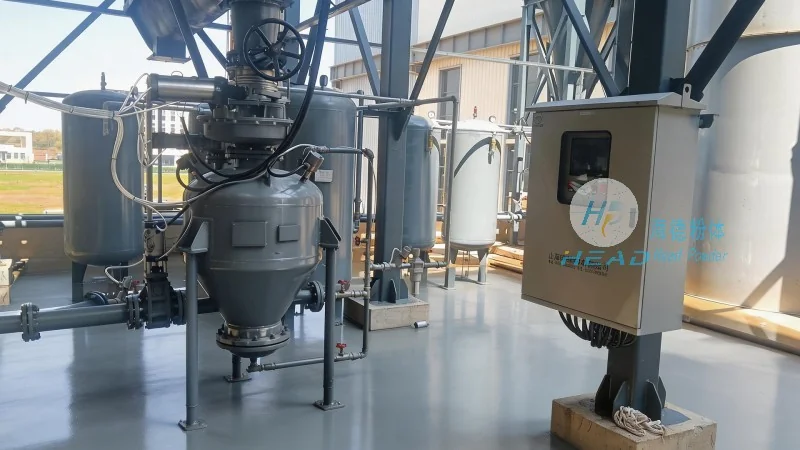
Key Components and Their Functions
The coal ash granular material conveying line comprises several essential components, each playing a vital role in the system's overall performance. The primary components include a feed hopper, a conveyor mechanism (either belt or screw), idler rollers, a drive system, and a control panel. The feed hopper is typically a large, hopper-shaped container that stores the coal ash granules, ensuring a steady supply to the conveyor. It is equipped with a discharge valve or gate to regulate the flow of material into the conveyor. The conveyor mechanism, which can be a belt conveyor or a screw conveyor, is responsible for transporting the coal ash along the line. Belt conveyors use a continuous belt with attached idlers to move the material, while screw conveyors utilize a rotating screw to push the granules forward. Idler rollers are strategically placed along the conveyor to support the belt or screw, maintaining alignment and reducing friction. The drive system, often an electric motor coupled with a gearbox, provides the necessary power to operate the conveyor. The control panel allows operators to monitor system parameters, adjust speed, and receive alerts for any anomalies, ensuring optimal performance and safety.
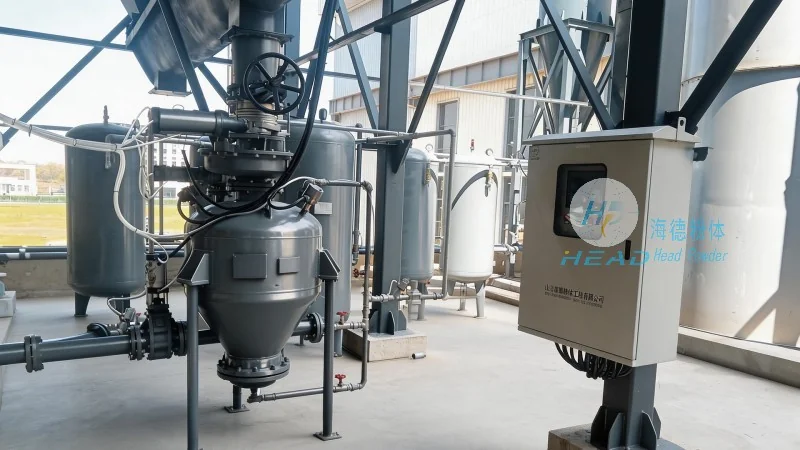
Operation Process: Step-by-Step Execution
The operation of a coal ash granular material conveying line follows a systematic process that ensures smooth and continuous material flow. The process begins with the loading of coal ash into the feed hopper. The hopper is filled to an appropriate level, and the discharge valve is opened to allow material to enter the conveyor. Once the hopper is partially filled, the conveyor system is activated. The drive system starts, and the conveyor begins to move, transporting the coal ash from the feed point to the discharge point. The speed of the conveyor can be adjusted to control the flow rate, which is critical for maintaining consistent material delivery to downstream processes. During operation, sensors are continuously monitoring the system for blockages, overloads, or other issues. If a problem is detected, the control panel triggers an alarm, and the conveyor may stop or slow down to prevent damage. The system also includes safety features such as emergency stop buttons and protective guards to prevent accidents. After the material reaches the discharge point, it is collected in a storage bin or transferred to another process. The entire operation is automated to a large extent, with minimal manual intervention required, enhancing efficiency and reducing labor costs.
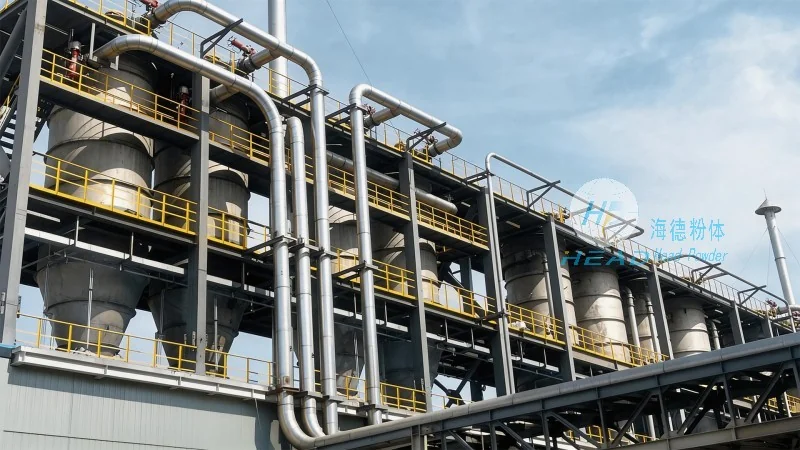
Working Principle: Mechanical and Control Integration
The working principle of the coal ash granular material conveying line is based on the integration of mechanical energy transfer and control systems. The core mechanism involves converting electrical energy into mechanical energy to drive the conveyor. The electric motor generates rotational motion, which is transmitted through the gearbox to the conveyor drive. This rotational motion either moves a belt (in belt conveyors) or rotates a screw (in screw conveyors), propelling the coal ash granules forward. The idler rollers support the conveyor, reducing friction and ensuring smooth movement. The feed hopper maintains a consistent material level, preventing the conveyor from running empty or overloading. The control panel uses sensors to measure parameters such as speed, load, and temperature, and adjusts the system accordingly. For example, if the load increases, the control system may increase the conveyor speed to maintain flow. Conversely, if the load decreases, the speed may be reduced to prevent excess material from being transported. The system also incorporates feedback loops to ensure real-time monitoring and adjustment, optimizing performance and minimizing energy consumption. This integrated approach ensures that the conveying line operates efficiently, reliably, and safely, meeting the demands of industrial applications.