Barite, a heavy mineral widely used in industrial applications such as drilling fluids, paints, and plastics, requires efficient material handling systems to ensure smooth processing. The operation of barite material conveying lines is a critical component of industrial operations, and understanding its process and principles is essential for optimizing performance and maintaining productivity. This article provides an overview of the operation process and working principles of barite material conveying lines, with a focus on the expertise of Shandong HeadPowder Engineering Co., Ltd., a leading engineering firm based in Shandong, China.
Introduction to Barite Material Conveying Lines
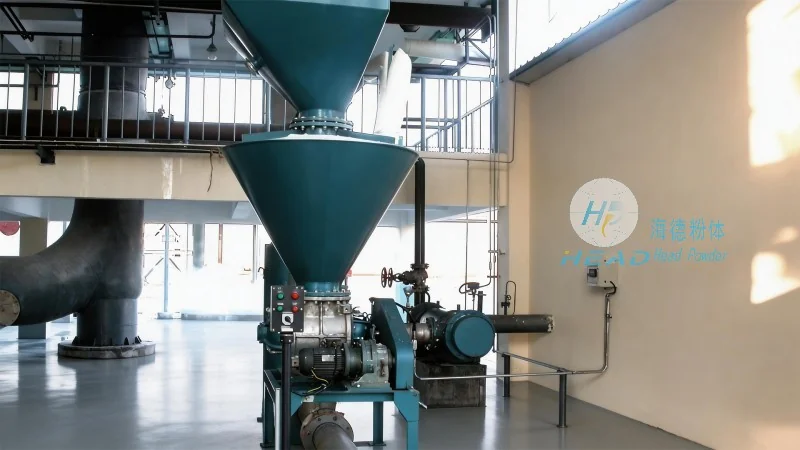
Barite material conveying lines are specialized systems designed to transport bulk barite from its source to processing or storage facilities. These systems are integral to industries like mining, construction, and manufacturing, where barite serves as a weighting agent, filler, or component in various products. The efficiency of these conveying lines directly impacts the overall cost-effectiveness and productivity of barite processing operations.
HeadPowder: A Leading Engineering Firm in Shandong, China
HeadPowder, operating from Shandong, China, is a prominent engineering company dedicated to the design, manufacturing, and installation of advanced material handling solutions. With a strong presence in the barite industry, HeadPowder specializes in creating customized conveying lines tailored to the specific needs of clients. The company’s headquarters and operational base are located in Shandong, providing local support and expertise for projects across the region.
The Operation Process of Barite Material Conveying Lines
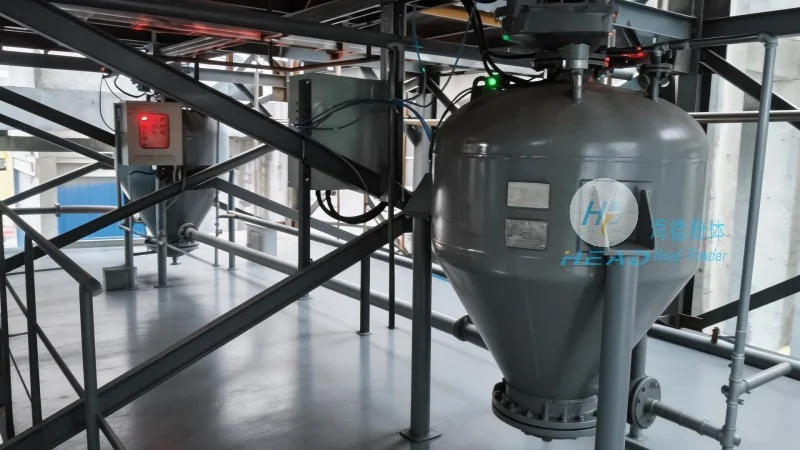
The operation of a barite material conveying line typically follows a sequential process that ensures the material is transported efficiently and safely. The process begins with the loading of raw barite into a primary hopper. From there, the material is fed into a series of mechanical components, including feeders and conveyors, which move the barite through the system. Each stage of the process is carefully controlled to maintain consistent flow and prevent blockages or material loss. The conveying line may include multiple stages, such as primary crushing, screening, and blending, to prepare the barite for downstream applications. The final stage involves transporting the processed barite to storage silos or directly to packaging units, depending on the client's requirements.
Working Principles of Barite Material Conveying Lines
The working principles of barite material conveying lines are based on the mechanical movement of bulk materials using various equipment. Key components include feeders, conveyors, and control systems. Feeders, such as rotary or vibratory feeders, regulate the flow of barite from the hopper to the conveyor, ensuring a steady and controlled supply. Conveyors, such as belt conveyors or screw conveyors, utilize friction or mechanical action to move the barite along the line. Belt conveyors are commonly used for horizontal and inclined transport, while screw conveyors are ideal for vertical or horizontal transport in confined spaces. Control systems monitor the entire process, adjusting parameters like speed, pressure, and temperature to optimize performance and prevent equipment damage. This integrated approach ensures that barite is transported with minimal energy consumption and maximum efficiency.
HeadPowder's Barite Material Conveying Lines: Design and Features
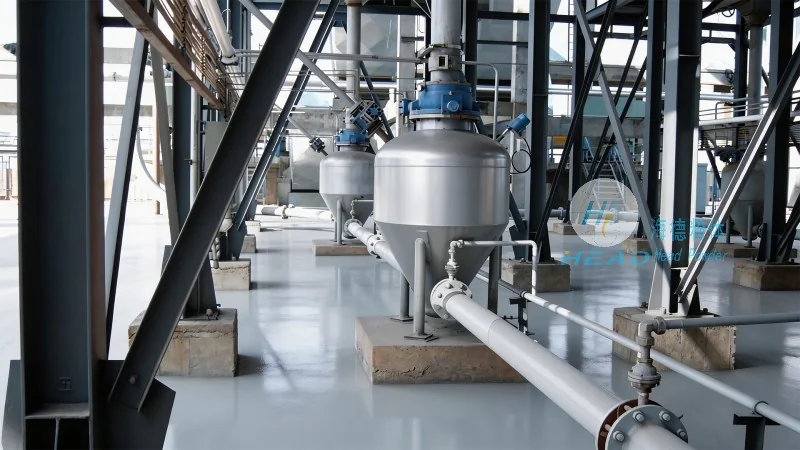
HeadPowder’s barite material conveying lines are engineered to handle high volumes of barite while maintaining low maintenance costs and high operational efficiency. The systems are designed with durable materials, such as stainless steel and high-strength alloys, to withstand the abrasive nature of barite and prevent wear and tear. Advanced control technologies, including PLC (Programmable Logic Controller) systems, are integrated into the conveying lines to automate the process and enhance reliability. These features make the conveying lines suitable for both industrial and mining applications, where consistent material flow is essential for downstream processes like grinding, packaging, and quality control.
Benefits of Using HeadPowder's Barite Material Conveying Lines
Implementing HeadPowder’s barite material conveying lines offers several benefits for industrial operations. Firstly, the systems improve material handling efficiency by reducing downtime and ensuring consistent flow, leading to increased productivity and reduced labor costs. Secondly, the durable design and advanced control systems minimize maintenance requirements, lowering overall operational costs. Thirdly, the customized nature of the conveying lines allows clients to adapt to changing barite characteristics, such as particle size and moisture content, without significant modifications. Finally, the systems are designed to meet international safety and environmental standards, ensuring compliance and reducing the risk of accidents or environmental issues.
Conclusion
In conclusion, the operation process and working principles of barite material conveying lines are critical for the efficient processing of barite in various industries. HeadPowder, with its expertise and local presence in Shandong, China, provides high-quality conveying systems that meet the specific needs of clients. By understanding the operation process and principles, industrial operators can optimize their barite handling systems, leading to improved productivity, cost savings, and enhanced safety. HeadPowder’s commitment to quality and innovation ensures that clients receive reliable and efficient barite material conveying lines that contribute to their long-term success.




