

Operation Process and Working Principle of Magnesium Oxide Material Handling System
HeadPowder, a leading provider of industrial material handling solutions, specializes in the design, manufacturing, and installation of advanced material handling systems tailored for various industries. This article provides a detailed overview of the operation process and working principle of a magnesium oxide material handling system, highlighting the key components, operational steps, and technical aspects that ensure efficient and reliable material transport.
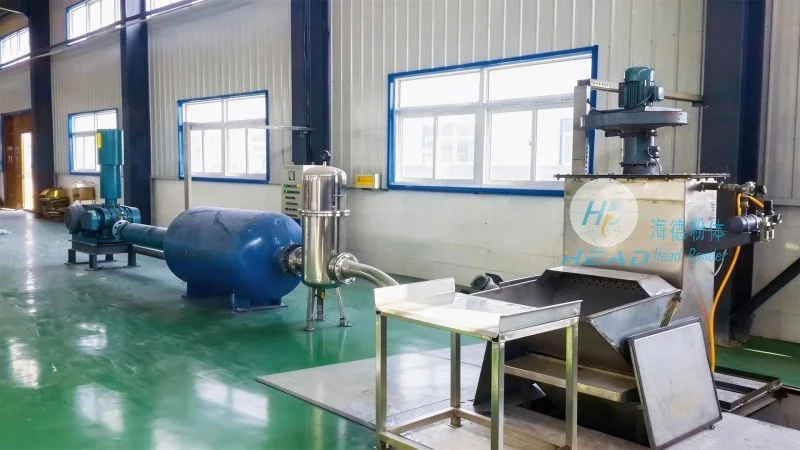
System Overview and Core Components
The magnesium oxide material handling system is engineered to handle the unique properties of magnesium oxide, a widely used chemical compound in industries such as pharmaceuticals, ceramics, and chemical manufacturing. The system typically consists of several integrated components, including feed hoppers, conveyor belts, pneumatic or mechanical conveyors, control panels, and safety mechanisms. Each component plays a crucial role in the seamless transport of magnesium oxide from the initial storage point to the final processing or packaging stage.
Step-by-Step Operation Process
The operation of the magnesium oxide material handling system follows a systematic sequence of steps to ensure optimal performance and safety. The process begins with the loading of magnesium oxide into the feed hopper, where the material is stored and prepared for transport. The hopper is equipped with level sensors and feeding mechanisms that regulate the flow of material into the conveyor system. Once the material is released from the hopper, it is transferred to the primary conveyor, which may be a belt conveyor or a screw conveyor, depending on the system design. The conveyor then transports the magnesium oxide to the next processing stage, such as a storage silo or a processing unit.
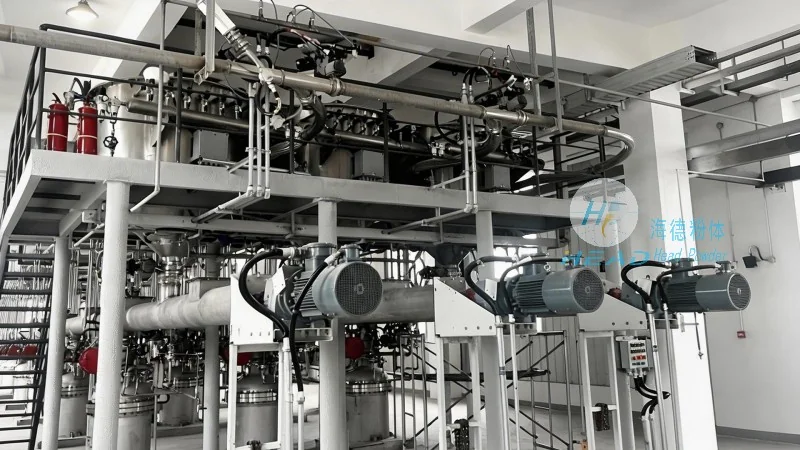
The system incorporates advanced control systems that monitor the flow rate, pressure, and temperature of the material during transport. These controls ensure that the material is handled under optimal conditions, preventing issues such as caking, agglomeration, or damage to the material. The control panel, located in a central or remote position, allows operators to adjust the system parameters in real-time, ensuring that the material handling process remains efficient and consistent.
Working Principle of Key Components
The working principle of the magnesium oxide material handling system is based on the integration of mechanical, pneumatic, and electronic components working in harmony. The feed hopper uses gravity to feed the material into the conveyor system, while the conveyor belt or screw mechanism provides the necessary force to move the material through the system. Pneumatic conveyors may be used for fine powders or to transport material over longer distances, utilizing air pressure to move the material through a pipeline.
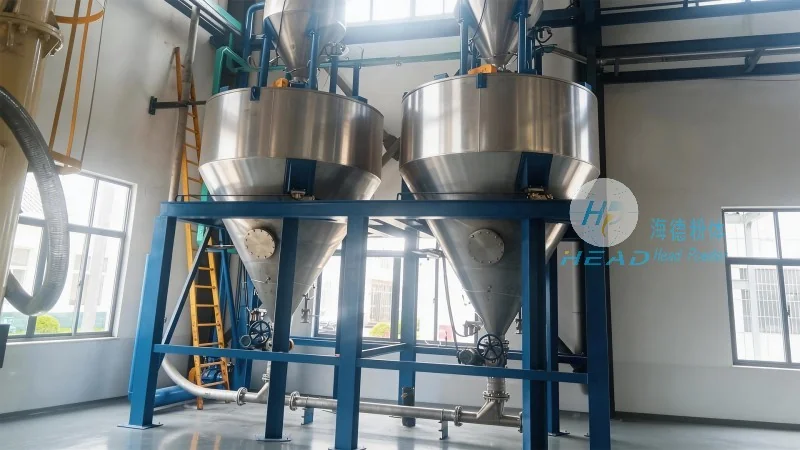
The control system employs sensors and actuators to monitor and regulate the operation of the system. Level sensors in the hopper detect the material level and signal the feeding mechanism to adjust the flow rate. Pressure sensors in the pneumatic lines monitor the air pressure and adjust the flow of material accordingly. Temperature sensors may be used to monitor the material temperature, especially if the material is sensitive to heat or if the system involves heating elements for drying or processing.
Ensuring Efficiency and Reliability
HeadPowder's magnesium oxide material handling system is designed with durability and efficiency in mind. The system uses high-quality materials and components that are resistant to corrosion and wear, ensuring long-term performance. Regular maintenance and inspection are recommended to maintain the system's efficiency and prevent downtime. The system's modular design allows for easy integration with existing production lines and facilitates future upgrades or modifications.
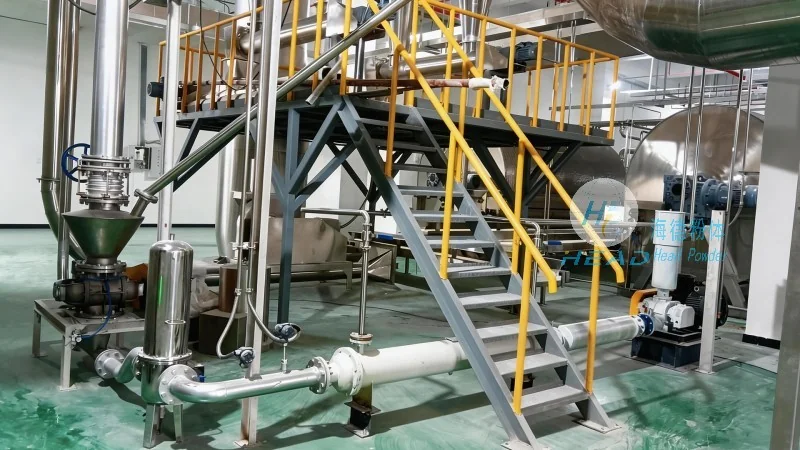
The safety features integrated into the system include emergency stop buttons, overload protection, and material leak detection. These features ensure that the system operates safely and complies with industry safety standards. The system's design also minimizes dust generation and air pollution, contributing to a cleaner and safer working environment.
Conclusion
HeadPowder's magnesium oxide material handling system exemplifies advanced industrial engineering, combining efficient material transport with robust safety features. By understanding the operation process and working principle of this system, users can appreciate the importance of proper material handling in maintaining production efficiency and product quality. With its reliable performance and customizable design, the system is an essential component for industries relying on magnesium oxide as a key raw material.