Shandong HeadPowder Engineering Co., Ltd., commonly known as headpowder, is a professional manufacturer and supplier specializing in the design, production, and installation of feed material conveying systems. The company is headquartered in Shandong, China, and has established a strong reputation in the industry for its reliable and efficient solutions tailored to the needs of various agricultural and animal feed processing facilities. With a focus on innovation and quality, headpowder provides comprehensive services from initial consultation to after-sales support, ensuring that clients receive systems that meet their specific operational requirements.
Feed Material Conveying Systems: An Overview
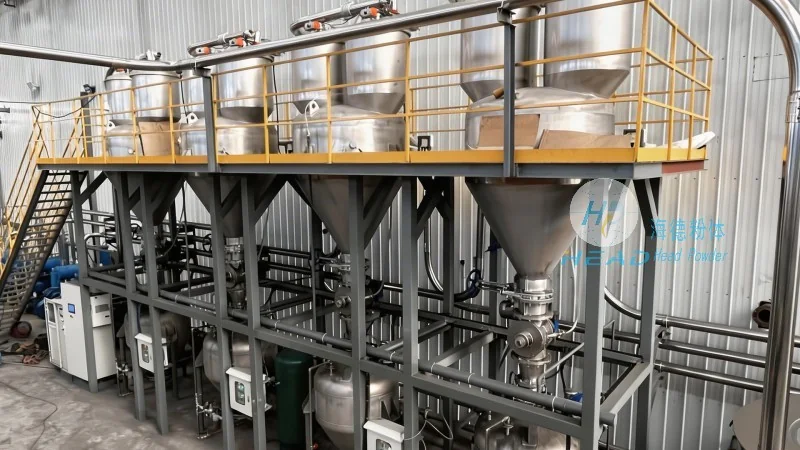
Feed material conveying systems are critical components in modern feed production facilities, responsible for the efficient movement of raw materials and finished products from one processing stage to another. These systems are designed to handle a wide range of feed materials, including grains, pellets, powders, and other bulk materials, with precision and minimal loss. The core of any conveying system lies in its ability to ensure consistent flow, maintain material integrity, and operate under varying conditions, all while optimizing energy consumption and reducing operational costs.
The Working Principle of Feed Material Conveying Systems
The working principle of feed material conveying systems typically involves a combination of mechanical components that work in tandem to transport materials. Key elements include feed hoppers, which collect and store raw materials; conveyor belts or screw conveyors, which move the material through the system; and control systems that regulate the flow rate and direction. The process begins with the raw materials being fed into the hopper, where they are then transferred to the conveyor mechanism. Depending on the system design, materials may be transported vertically, horizontally, or at an angle, using different types of conveyors such as belt conveyors, chain conveyors, or pneumatic systems. The control system plays a crucial role in maintaining the desired speed and pressure, ensuring that the material moves smoothly without blockages or spillage.
Operation Process: Step-by-Step Breakdown
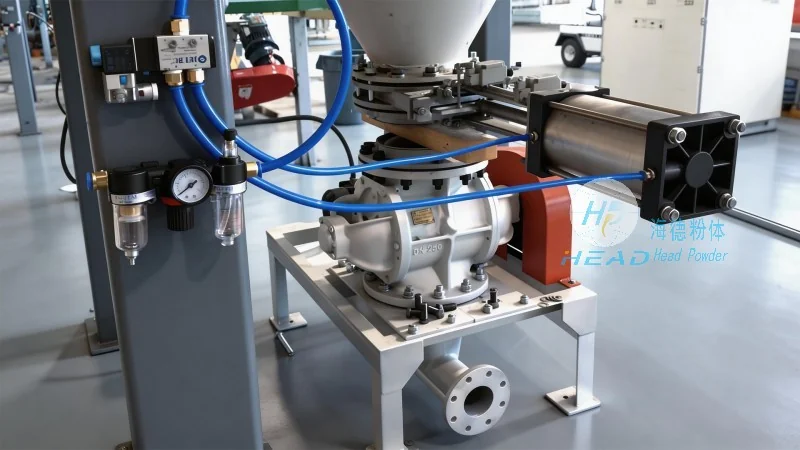
The operation process of a feed material conveying system can be broken down into several key steps, each designed to ensure efficient and reliable material handling. The first step involves material intake, where raw feed ingredients are loaded into the hopper. This is followed by the initial transfer to the conveyor, where the material is moved to the processing or storage area. During this phase, the system may include pre-processing steps such as cleaning or screening to remove impurities. The next step is the main conveying phase, where the material is transported through the system using the appropriate conveyor type. This may involve multiple stages, such as vertical lifts and horizontal transfers, to reach the desired destination. Finally, the material is discharged into the next processing stage or storage container. Throughout the operation, sensors and monitoring devices are used to track the system's performance, detect any issues, and adjust parameters as needed to maintain optimal operation.
Key Components and Their Functions
Feed material conveying systems consist of several key components, each with a specific function to ensure smooth operation. The feed hopper is the first component, responsible for collecting and storing raw materials. It is typically designed with a large capacity to accommodate bulk feed and features a discharge gate that controls the flow of material into the conveyor. The conveyor itself is the heart of the system, responsible for moving the material. There are various types of conveyors used in feed systems, including belt conveyors, screw conveyors, and pneumatic conveyors. Belt conveyors are commonly used for horizontal and inclined transport, while screw conveyors are ideal for vertical or horizontal movement of granular materials. Pneumatic systems use air pressure to transport powders and fine materials, making them suitable for dusty or low-density materials. The control system, which includes motors, sensors, and a control panel, regulates the speed and direction of the conveyor, ensuring that the material is transported at the correct rate. Additionally, the system may include accessories such as clamps, gates, and diverters to direct the material flow and prevent blockages.
Advantages of Using Feed Material Conveying Systems
Implementing feed material conveying systems offers numerous advantages for feed production facilities. One of the primary benefits is improved efficiency, as these systems can handle large volumes of material with minimal human intervention. This reduces labor costs and increases production throughput. Another advantage is the reduction in material loss and contamination, as the enclosed design of the system prevents spillage and exposure to contaminants. The systems also contribute to better hygiene and safety in the workplace, as they minimize direct handling of raw materials. Furthermore, feed material conveying systems are designed to be energy-efficient, using advanced technology to optimize power consumption and reduce operational costs. This makes them a cost-effective solution for long-term feed production operations.
Applications in the Feed Industry
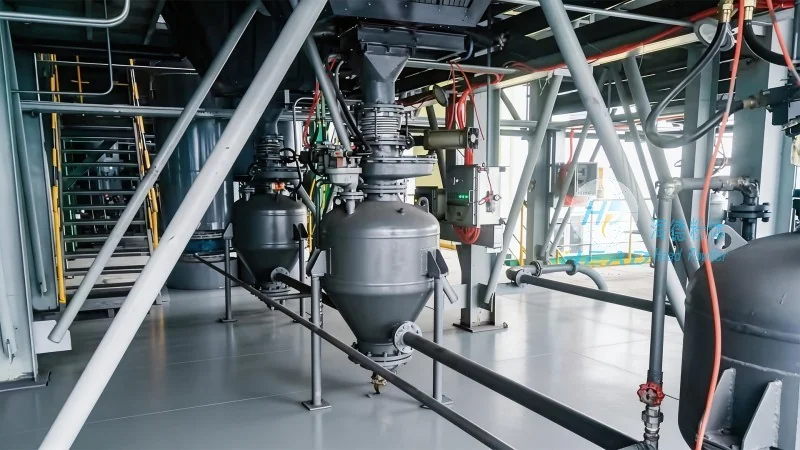
Feed material conveying systems are widely used in various applications within the feed industry. In animal feed processing plants, these systems are essential for transporting raw ingredients such as corn, soybean meal, and wheat from storage silos to the mixing and extrusion lines. They are also used in the transportation of finished feed products from the production line to storage silos or packaging areas. Additionally, these systems are employed in the handling of by-products and waste materials, ensuring that they are properly processed and disposed of. The versatility of feed material conveying systems makes them suitable for a wide range of feed types, including poultry, livestock, and aquaculture feeds. By integrating these systems into their operations, feed manufacturers can enhance their production capabilities, improve product quality, and meet the growing demands of the market.
Conclusion
In conclusion, feed material conveying systems are vital components in modern feed production facilities, playing a crucial role in the efficient handling and transportation of feed materials. The operation process and working principle of these systems involve a combination of mechanical and control components that work together to ensure consistent and reliable material flow. With the expertise of companies like Shandong HeadPowder Engineering Co., Ltd., feed manufacturers can benefit from advanced and customized conveying solutions that meet their specific needs. By investing in efficient feed material conveying systems, facilities can improve their operational efficiency, reduce costs, and enhance the quality of their feed products, ultimately contributing to the success of their business in the competitive feed industry.




