HeadPowder, a leading engineering company based in Shandong, China, specializes in the design, manufacturing, and installation of advanced material handling systems tailored for the transportation of alumina particles. This article delves into the operational processes and underlying principles that govern the efficient and reliable movement of these critical industrial materials.
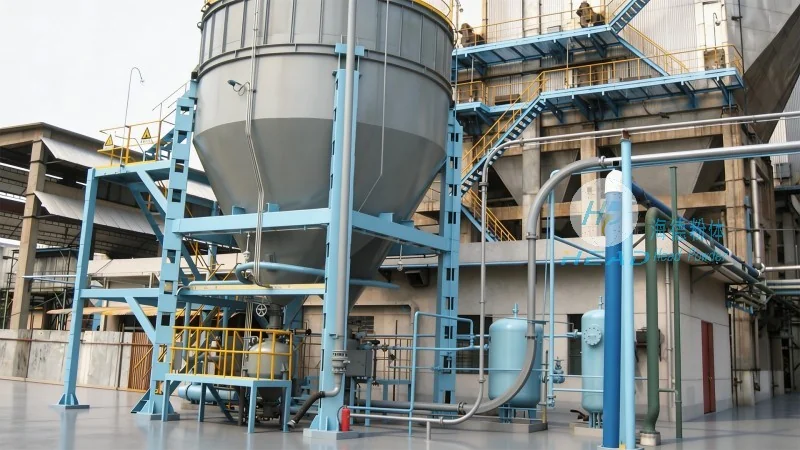
Company Overview and Expertise
HeadPowder Engineering Co., Ltd. is a prominent player in the material handling industry, with a strong presence in Shandong, China. The company focuses on providing customized solutions for the handling of various bulk materials, including alumina, which is widely used in industries such as ceramics, refractories, and chemical processing. By leveraging years of experience and technical expertise, HeadPowder ensures that its systems meet the stringent requirements of modern industrial applications.
The Material Handling System for Alumina Particles
The system designed for alumina particle transportation typically involves a combination of components that work in harmony to ensure smooth and continuous operation. Key elements include feeders, conveyors, and control systems, each playing a crucial role in the overall process. The feeders are responsible for uniformly distributing the alumina particles into the conveyor system, while the conveyors transport the material through the processing line with precision and efficiency.
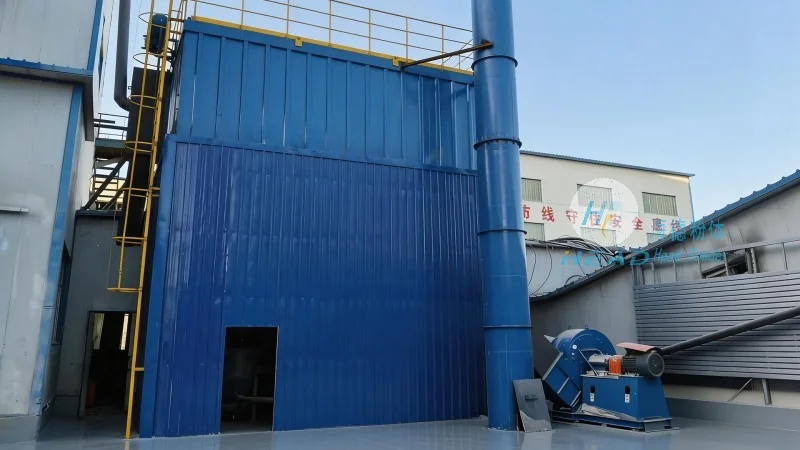
Operating Process: Step-by-Step Overview
The operational process of alumina particle material handling begins with the intake of raw alumina from storage silos or hoppers. The material is then fed into a hopper or feeder, where it is metered and regulated to maintain a consistent flow rate. This controlled feeding is essential to prevent overloading or underloading of the conveyor system, which could lead to inefficiencies or equipment damage.
Once the alumina particles are properly fed, they move into the conveyor section. The conveyor, often a belt or screw conveyor, transports the material along the designated path. The speed and tension of the conveyor belt are carefully controlled to ensure that the particles are moved at an optimal rate without causing excessive wear or breakage. This stage is critical for maintaining the integrity of the alumina particles, as they are often used in applications where size and shape are critical.
After the conveyor transport, the alumina particles may undergo additional processing steps, such as screening or sorting, depending on the specific requirements of the end application. These steps help to ensure that the final product meets the desired specifications. The processed material is then collected in a discharge hopper or storage bin, ready for further use or packaging.
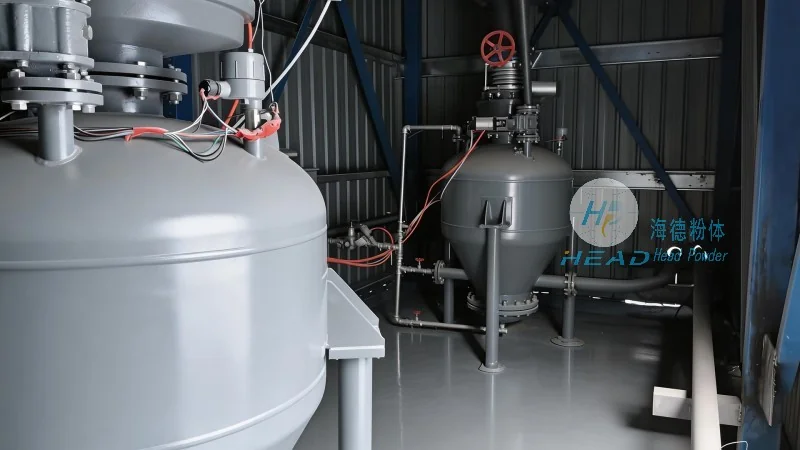
Working Principle: Mechanical and Control Systems
The working principle of the alumina particle handling system relies on a combination of mechanical and control technologies. The mechanical components, including feeders, conveyors, and hoppers, are designed to handle the physical properties of alumina particles, such as their size, density, and abrasiveness. For example, the use of heavy-duty materials and robust construction ensures that the equipment can withstand the abrasive nature of alumina, which can cause wear and tear over time.
The control systems play a vital role in maintaining the efficiency and safety of the operation. These systems monitor various parameters, such as flow rate, pressure, and temperature, and adjust the equipment settings accordingly. Modern control systems often use sensors and automation technology to provide real-time feedback and ensure that the process runs smoothly. This integration of mechanical and control systems allows for precise control over the movement of alumina particles, minimizing downtime and maximizing productivity.
Key Features and Benefits
The alumina particle material handling system offered by HeadPowder is designed with several key features that enhance its performance and reliability. These features include high-capacity feeding mechanisms, durable conveyor components, and advanced control systems. The high-capacity feeders can handle large volumes of alumina particles, ensuring that the system can meet the demands of high-production environments. The durable conveyor components are built to withstand the abrasive nature of alumina, reducing maintenance costs and extending the lifespan of the equipment.
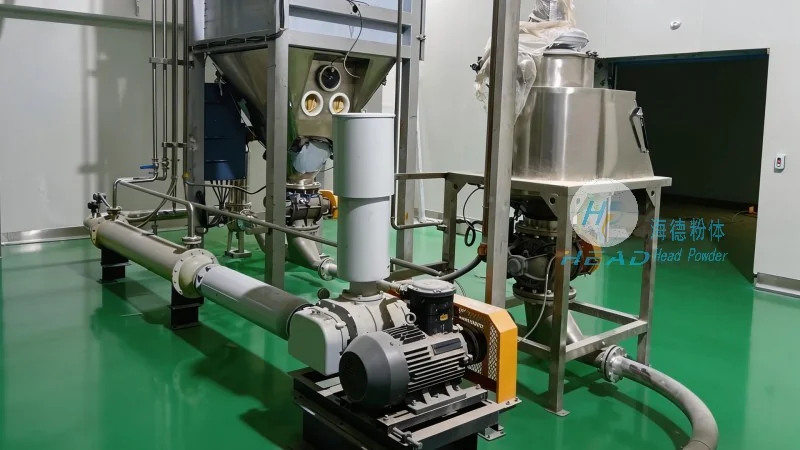
Another significant benefit of the system is its ability to maintain the quality of the alumina particles. By minimizing particle breakage and ensuring consistent flow, the system helps to preserve the integrity of the material, which is crucial for applications where particle size and shape are critical. Additionally, the system's flexibility allows for easy integration with existing production lines, reducing the need for extensive modifications and minimizing downtime during installation.
Conclusion
HeadPowder Engineering Co., Ltd. provides comprehensive solutions for the transportation of alumina particles, combining advanced technology with expert engineering to deliver reliable and efficient material handling systems. By understanding the operational processes and working principles of these systems, industrial facilities can optimize their material handling operations, improve productivity, and ensure the quality of their final products. With a strong presence in Shandong, China, HeadPowder continues to be a trusted partner for companies seeking to enhance their material handling capabilities.




