

Operation Process and Working Principle of River Sand Powder Conveying Equipment
River sand powder conveying equipment is a critical component in modern material handling systems, designed to efficiently transport fine river sand particles from one location to another. As a key solution for industries such as construction, mining, and manufacturing, these systems ensure reliable and consistent material flow, supporting operational efficiency and productivity. This article provides an in-depth exploration of the operation process and working principles of such equipment, highlighting the technical aspects and practical applications that make them indispensable in various industrial settings.
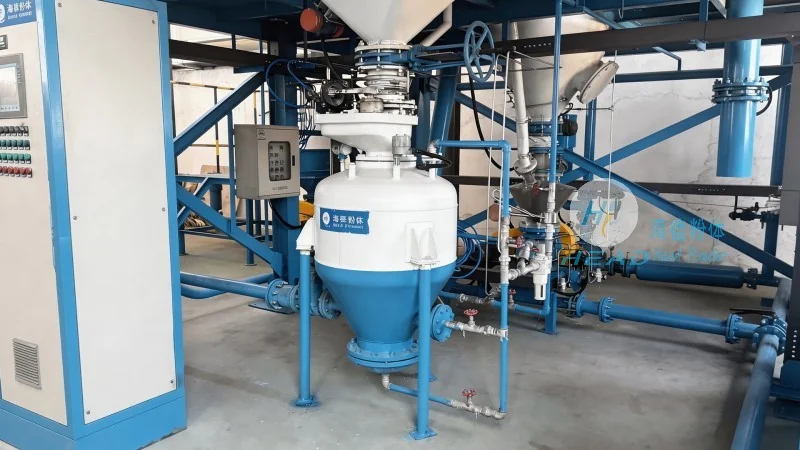
Overview of River Sand Powder Conveying Equipment
HeadPowder, a leading manufacturer based in Shandong, China, specializes in the design and production of advanced powder conveying systems tailored for diverse material handling needs. The company's equipment is engineered to handle the unique challenges associated with river sand, including its fine particle size, moisture content, and abrasive properties. By integrating robust engineering and innovative technologies, HeadPowder's solutions ensure optimal performance, durability, and safety in demanding environments.
Key Components and Their Functions
The operation of river sand powder conveying equipment relies on several interconnected components, each playing a vital role in the overall system. These components typically include a hopper for material storage, a feeder to control the flow rate, a conveyor mechanism (such as a screw or pneumatic system), and a discharge outlet for material delivery. The hopper is designed to accommodate the bulk storage of river sand, while the feeder regulates the amount of material entering the conveyor, preventing overloading and ensuring smooth operation. The conveyor mechanism, which may vary depending on the specific application, transfers the sand from the hopper to the discharge point. For example, screw conveyors use rotating screws to move material along a tube, while pneumatic systems utilize air pressure to transport particles through a pipeline. The discharge outlet then delivers the sand to the intended destination, such as a storage silo or processing unit.
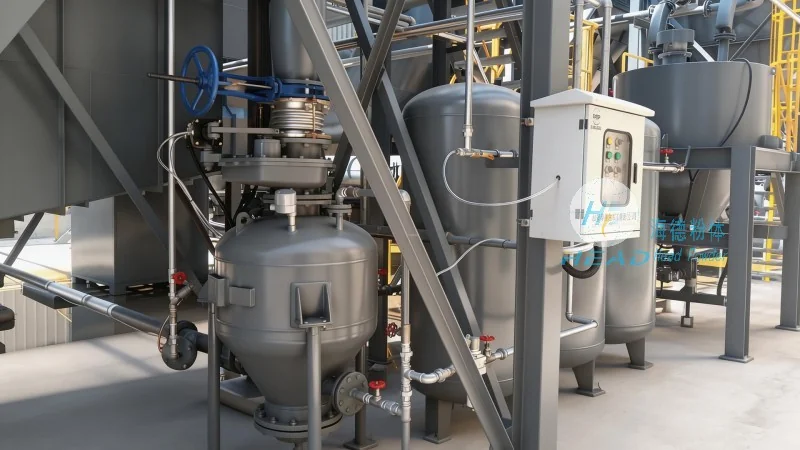
Operation Process: Step-by-Step Analysis
The operation of river sand powder conveying equipment follows a systematic process that ensures efficient material transport. The sequence typically begins with the loading of river sand into the hopper. Once the hopper is filled, the feeder activates to control the flow rate, ensuring a consistent supply of material to the conveyor. The conveyor mechanism then begins to operate, moving the sand through the system. In a screw conveyor, the rotating screw pushes the particles forward, while in a pneumatic system, compressed air propels the sand through the pipeline. The discharge outlet receives the material and directs it to the next stage of processing or storage. Throughout this process, sensors and control systems monitor key parameters such as flow rate, pressure, and temperature, allowing for real-time adjustments to maintain optimal performance. This automated control ensures that the system operates efficiently and safely, minimizing downtime and maximizing productivity.
Working Principle: Mechanisms and Technologies
The working principle of river sand powder conveying equipment is based on the physical properties of the material and the mechanical or pneumatic forces applied to move it. For mechanical conveyors like screw or belt conveyors, the principle involves using rotational or linear motion to transfer material. The screw conveyor, for instance, utilizes a helical screw blade that rotates within a cylindrical tube. As the screw turns, it pushes the sand particles forward, leveraging the friction between the screw and the material to achieve movement. This method is particularly effective for fine, dry materials like river sand, as it provides consistent and controlled transport without the need for additional energy sources like air pressure.
In contrast, pneumatic conveying systems operate on the principle of air movement. These systems use compressed air to create a flow of air within a pipeline, which then carries the sand particles along with it. The air pressure and velocity are carefully controlled to ensure that the sand is transported without clogging or degradation. Pneumatic systems are often preferred for applications requiring long-distance transport or when the material is sensitive to mechanical stress. The working principle involves generating a pressure differential between the inlet and outlet of the pipeline, causing the air to flow and carry the sand particles. This method is efficient for transporting large volumes of material over considerable distances, making it suitable for industrial-scale operations.
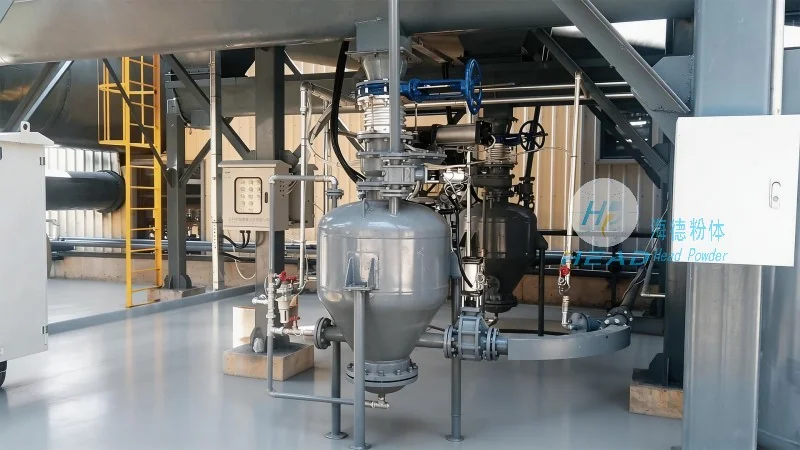
Technical Advantages and Applications
HeadPowder's river sand powder conveying equipment offers several technical advantages that make it a preferred choice for industrial applications. These advantages include high efficiency in material transport, low maintenance requirements, and adaptability to various operational conditions. The equipment is designed to handle the abrasive nature of river sand, with components such as wear-resistant liners and durable materials that extend the system's lifespan. Additionally, the automated control systems enhance operational safety and reduce the risk of human error, ensuring consistent performance. The applications of these systems are diverse, ranging from construction sites where river sand is used in concrete production to mining operations where it is processed as a raw material. In construction, the equipment ensures a steady supply of sand to mixing plants, improving the quality and consistency of concrete. In mining, it facilitates the transport of processed sand to storage facilities or further processing units, supporting the overall production workflow.
Conclusion: Ensuring Reliable Material Handling
River sand powder conveying equipment, as exemplified by the solutions from Shandong HeadPowder Engineering Co., Ltd., plays a crucial role in modern material handling by providing efficient, reliable, and safe transport of fine river sand. The operation process, which involves material loading, controlled feeding, conveyor operation, and discharge, is designed to optimize performance and minimize downtime. The working principles, whether mechanical or pneumatic, leverage the physical properties of the material and advanced technologies to achieve consistent and efficient transport. By integrating robust engineering and innovative control systems, these equipment solutions ensure that industries can meet their material handling needs effectively, supporting productivity and operational success. As a leading manufacturer based in Shandong, China, HeadPowder continues to develop advanced powder conveying systems that address the evolving demands of various industries, providing reliable and efficient solutions for the transport of river sand and other fine materials.