

Operation Process and Working Principle of Foam Powder Material Handling
Understanding the operation process and working principle of foam powder material handling is crucial for optimizing industrial material transport systems. This article provides a detailed overview of the mechanisms involved in efficiently moving foam powders, a key component in various manufacturing and processing applications.
Introduction to Foam Powder Material Handling
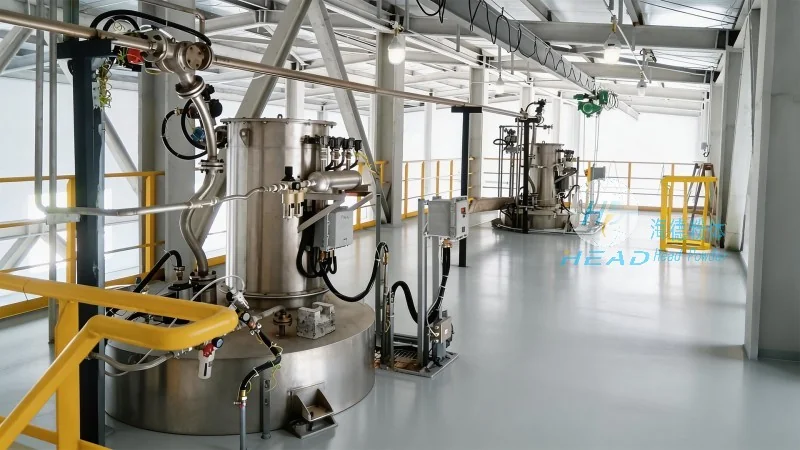
Foam powders, such as those used in pharmaceuticals, food processing, or specialty chemicals, require specialized handling due to their light weight, low density, and tendency to create dust or air currents during transport. The process of foam powder material handling involves several critical steps designed to ensure safe, efficient, and consistent movement of these materials. The company, Shandong HeadPowder Engineering Co., Ltd., specializes in providing advanced solutions for this specific material handling challenge.
The Core Components of Foam Powder Material Handling Systems
Effective foam powder material handling systems typically consist of several interconnected components that work in harmony to achieve the desired transport outcomes. These components include feeders, conveyors, dust control systems, and storage vessels. Each component plays a vital role in maintaining the integrity and quality of the foam powder throughout the handling process.
Feeding Mechanisms for Foam Powders
Feeding is the initial step in foam powder material handling, where the powder is introduced into the system. For foam powders, traditional feeding methods like screw feeders or rotary valves may not be suitable due to the material's lightness and tendency to flow irregularly. Instead, specialized feeders are employed, such as pneumatic feeders or vibratory feeders, which can handle the unique properties of foam powders without causing segregation or degradation. The company's expertise lies in designing feeders that minimize material degradation while ensuring consistent flow rates.
Conveyor Systems for Foam Powder Transport
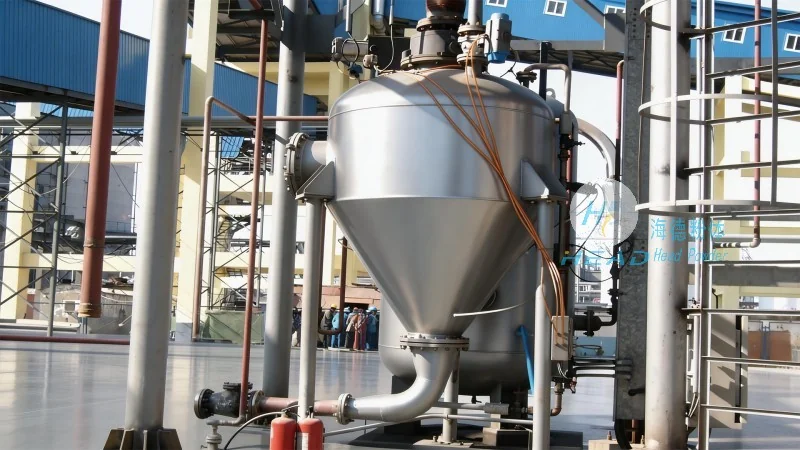
Conveyors are the backbone of foam powder material handling, responsible for moving the powder from one location to another. Pneumatic conveyors, or air slides, are commonly used for foam powders due to their ability to handle light, dusty materials without the need for mechanical parts that could cause contamination or damage. These systems use compressed air to create a flow of air and powder, transporting the material through a pipeline. The design of the conveyor system, including the air velocity and pipeline diameter, is critical to maintaining the material's quality and preventing clogging or blockages.
Dust Control and Environmental Considerations
During foam powder material handling, dust generation is a significant concern. Proper dust control measures are essential to ensure workplace safety and compliance with environmental regulations. The systems often incorporate dust collection and filtration equipment, such as cyclones or baghouse filters, to capture and remove airborne particles. Additionally, sealing and containment features are integrated into the design to prevent dust from escaping into the environment. The company prioritizes environmental responsibility by implementing robust dust control solutions in their material handling systems.
Storage and Discharge Systems
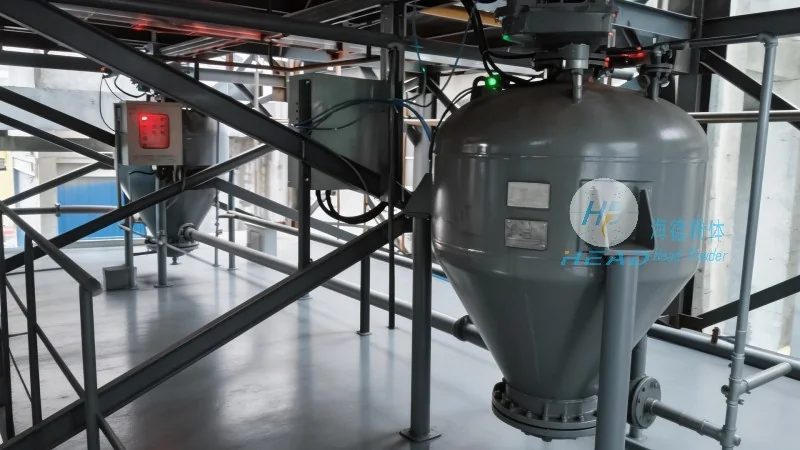
After transport, foam powders may need to be stored in silos or hoppers before further processing. The storage systems are designed to maintain the material's quality and prevent caking or agglomeration. Discharge mechanisms, such as bottom discharge valves or rotary airlocks, are used to release the powder from the storage vessel in a controlled manner. The company's storage solutions are engineered to ensure minimal material degradation and efficient discharge, supporting smooth downstream processes.
The Working Principle: From Feed to Discharge
The overall working principle of foam powder material handling involves a sequence of steps that transform the raw material into a processed product. The process begins with the feeder, which introduces the foam powder into the system. The powder is then transported via the conveyor system, where it may be mixed with other materials or processed further. Dust control systems are active throughout the process to maintain air quality. Finally, the material is discharged from the storage vessel, ready for the next stage of production. This integrated approach ensures that foam powders are handled safely and efficiently, meeting the demands of modern industrial applications.
Applications and Industry Impact
The efficient handling of foam powders has a significant impact on various industries. In the pharmaceutical industry, precise material handling is essential to maintain product purity and consistency. In food processing, it ensures that the final product meets safety and quality standards. The company's solutions cater to these diverse needs, providing tailored material handling systems that enhance productivity and reduce operational costs. By understanding the operation process and working principles, industries can optimize their material transport processes and improve overall efficiency.
Conclusion: Advancing Foam Powder Material Handling
Foam powder material handling is a complex but essential process in modern manufacturing. The combination of specialized equipment, precise control systems, and robust dust management strategies ensures that foam powders are handled safely and effectively. Shandong HeadPowder Engineering Co., Ltd. continues to innovate in this field, providing advanced solutions that meet the evolving needs of industries worldwide. By adhering to the principles outlined in this article, companies can enhance their material handling capabilities and achieve greater operational efficiency.