Shandong HeadPowder Engineering Co., Ltd. specializes in the design and manufacturing of advanced material handling systems, particularly for the efficient conveyance of feed pellets. The company is based in Shandong, China, and has established itself as a leading provider of reliable and high-performance conveying solutions tailored to the needs of the animal feed industry. This article delves into the operation process and working principle of feed pellet material conveying systems, highlighting the key components, operational steps, and technical aspects that ensure smooth and efficient material transport.
Overview of Feed Pellet Conveying Systems
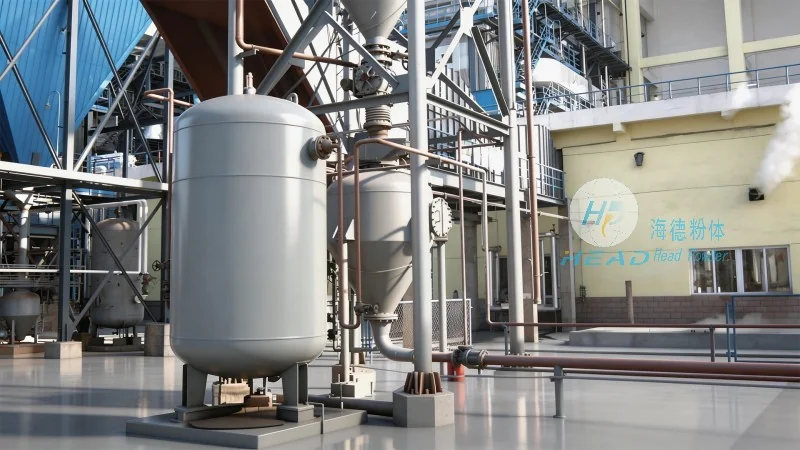
Feed pellet conveying systems are critical components in modern feed processing facilities, responsible for transporting feed pellets from storage silos or processing units to feeding stations or packaging lines. These systems are engineered to handle the unique characteristics of feed pellets, such as their density, size, and moisture content, while maintaining minimal product degradation and ensuring consistent flow rates. The core of these systems typically includes a combination of equipment like feeders, conveyors, and control mechanisms, all working in harmony to achieve seamless material movement.
Key Components of the Conveying System
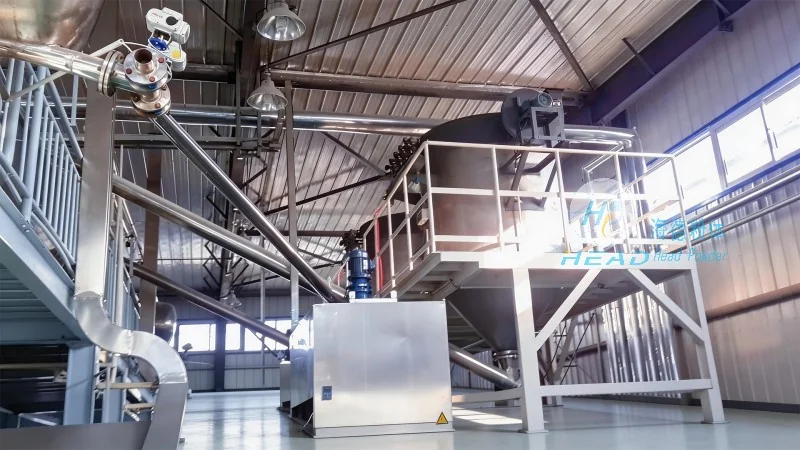
The feed pellet conveying system comprises several essential components that work together to facilitate the transport process. The primary components include a hopper or storage bin to hold the feed pellets, a feeder (often a screw or belt feeder) to regulate the flow of material, a conveyor (such as a belt or chain conveyor) to move the pellets horizontally or vertically, and a control system to monitor and adjust the operation based on real-time conditions. Additionally, auxiliary components like dust collection systems and safety guards may be integrated to enhance operational safety and maintain product quality.
Operation Process: Step-by-Step Flow
The operation of a feed pellet conveying system follows a systematic sequence of steps to ensure efficient material transport. The process typically begins with the feed pellets being stored in a silo or hopper. From there, the pellets are discharged into a feeder, which controls the flow rate by adjusting the speed or position of the feeding mechanism. The feeder then delivers the pellets to the conveyor, which transports them to the desired destination. The conveyor may be designed as a belt conveyor with idlers and pulleys for horizontal transport, or as a vertical conveyor with buckets or screws for vertical movement. At the end of the conveyor, the pellets are discharged into a receiving hopper or directly to the next processing stage. The control system continuously monitors parameters such as flow rate, pressure, and temperature, and adjusts the operation as needed to maintain optimal performance.
Working Principle: Mechanisms and Technologies
The working principle of feed pellet conveying systems is based on the application of mechanical forces to move the material along a defined path. For horizontal transport, belt conveyors use friction between the belt and the pellets to pull the material forward. The belt is driven by a motor and pulley system, and the idlers support the belt and maintain its tension. For vertical transport, screw conveyors or bucket elevators use rotating screws or buckets to lift the pellets upward, relying on the rotational force to overcome gravity. The feeder component uses gravity or mechanical force to regulate the flow, ensuring that the conveyor receives a consistent supply of material without overloading or underloading. The control system employs sensors and actuators to adjust the feeder speed, conveyor speed, and other parameters, creating a closed-loop system that maintains stable operation.
Advantages of Efficient Feed Pellet Conveying
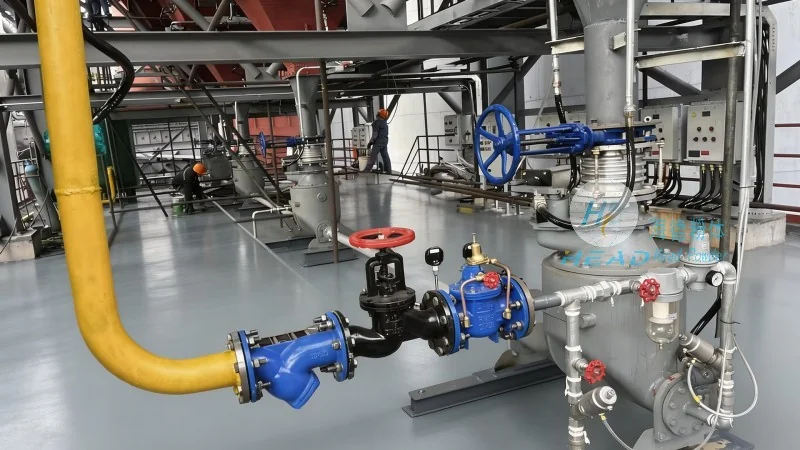
Efficient feed pellet conveying systems offer numerous advantages for feed processing facilities. By minimizing material handling time and labor, these systems enhance overall productivity and reduce operational costs. The consistent flow of feed pellets ensures that downstream processes, such as mixing or packaging, operate smoothly without interruptions or bottlenecks. Additionally, the use of enclosed conveyors and dust collection systems helps maintain a clean and safe working environment, reducing the risk of dust-related health issues and product contamination. The reliability of modern conveying systems, with advanced control features and durable components, ensures long-term performance and minimal downtime, contributing to the overall efficiency of the feed production process.
Conclusion
Shandong HeadPowder Engineering Co., Ltd. provides comprehensive feed pellet conveying solutions that combine advanced technology with robust engineering to meet the demanding requirements of the animal feed industry. The operation process and working principle of these systems are designed to ensure efficient, reliable, and safe material transport, supporting the productivity and quality of feed processing operations. By understanding the key components, operational steps, and technical principles of feed pellet conveying, facilities can optimize their material handling processes and achieve better overall performance.




