

Operation Process and Working Principle of Denitration Urea Powder Conveying Machine
Denitration urea powder conveying machines are critical equipment in industrial processes, particularly in facilities that handle urea for denitrification applications. These machines are designed to efficiently transport urea powder, a key component in reducing nitrogen oxides in flue gases. The operation and working principles of such machines are essential for ensuring optimal performance and safety in industrial operations. This article provides a detailed overview of the operation process and working principles of denitration urea powder conveying machines, with a focus on the technical aspects and functional design.
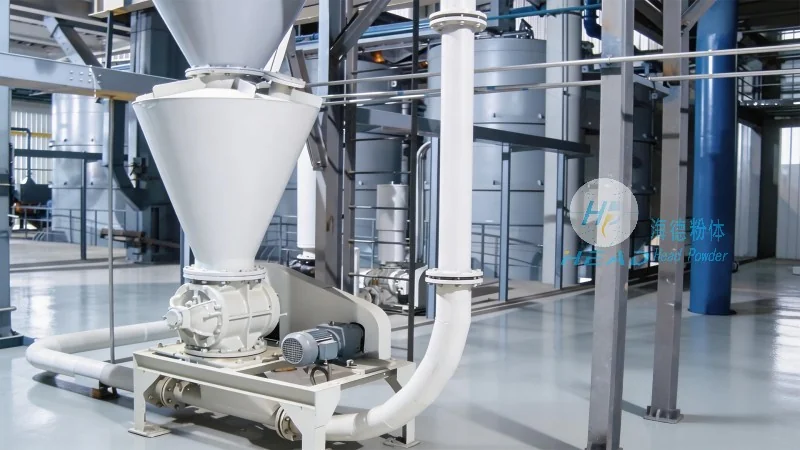
Introduction to Denitration Urea Powder Conveying Machines
Denitration urea powder conveying machines, also known as urea injection systems, are specialized equipment used in flue gas treatment processes. Urea is widely used as a reducing agent in selective catalytic reduction (SCR) systems to control nitrogen oxide emissions from industrial boilers and power plants. The efficient and reliable transport of urea powder is crucial for maintaining the effectiveness of these systems. The machines are engineered to handle the unique properties of urea powder, including its hygroscopic nature and potential for caking, ensuring consistent and controlled delivery to the denitration system.
Company Background: Shandong HeadPowder Engineering Co., Ltd.
HeadPowder, a leading manufacturer in the field of powder handling and conveying systems, specializes in providing high-quality solutions for industrial applications. With a strong focus on innovation and customer satisfaction, HeadPowder has established itself as a trusted partner for businesses requiring reliable powder transport equipment. The company's headquarters is located in Shandong, China, where it leverages advanced manufacturing capabilities and technical expertise to develop cutting-edge solutions tailored to the needs of various industries.
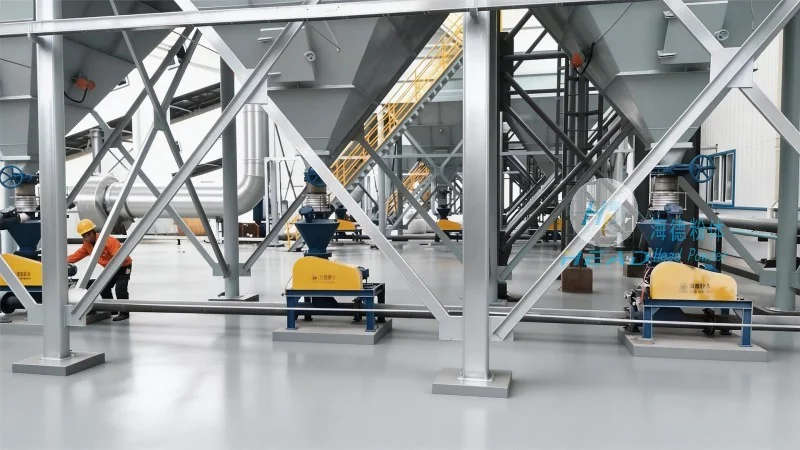
Working Principle of Denitration Urea Powder Conveying Machines
The working principle of denitration urea powder conveying machines involves several key components and mechanisms that work in tandem to achieve efficient powder transport. The primary components include a hopper for storing urea powder, a feeding mechanism (such as a screw feeder or rotary valve) to control the flow rate, a pneumatic conveying system (often using compressed air or nitrogen) to move the powder through the pipeline, and a control system to regulate the entire process. The process begins with the urea powder being fed from the hopper into the conveying line. The feeding mechanism ensures a consistent and controlled flow, preventing overloading or underfeeding. The pneumatic conveying system then uses compressed air to create a flow of air and powder mixture, transporting the urea to the injection point in the flue gas system. The control system monitors parameters such as pressure, flow rate, and temperature to maintain optimal operation and prevent issues like blockages or air leaks.
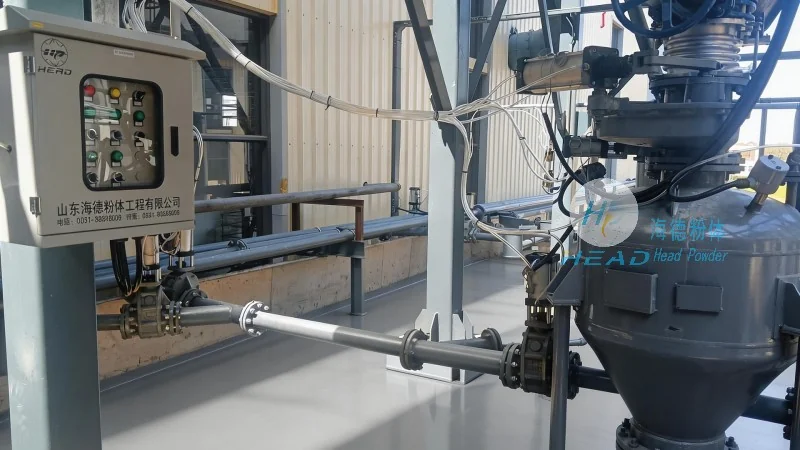
Operation Process of Denitration Urea Powder Conveying Machines
The operation process of denitration urea powder conveying machines typically follows a sequence of steps to ensure smooth and continuous operation. First, the urea powder is loaded into the hopper, and the system is prepared for operation by checking the air supply and ensuring all components are properly lubricated and aligned. Next, the feeding mechanism is activated to start the flow of urea powder into the conveying line. The pneumatic system then begins to operate, creating the necessary pressure and flow to transport the powder. The control system continuously monitors the process, adjusting the air pressure and flow rate as needed to maintain a stable and consistent delivery of urea to the injection point. During operation, the system may experience variations in flow rate due to changes in hopper level or air pressure, and the control system automatically compensates for these changes to maintain the desired performance. Regular maintenance and monitoring are essential to ensure the longevity and reliability of the machine, including checking for wear and tear on components, cleaning the hopper and conveying line to prevent caking, and inspecting the pneumatic system for leaks or pressure drops.
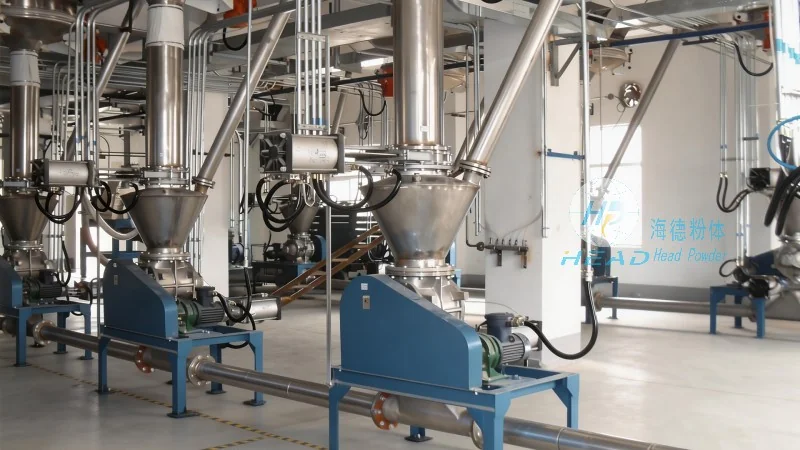
Key Features and Advantages of Denitration Urea Powder Conveying Machines
Denitration urea powder conveying machines offer several key features and advantages that make them suitable for industrial applications. One of the primary advantages is their ability to handle hygroscopic and potentially caking urea powder without compromising performance. The design of the hopper and feeding mechanism minimizes the risk of powder bridging or agglomeration, ensuring consistent flow. The pneumatic conveying system provides flexibility in terms of transport distance and layout, allowing for integration into existing flue gas treatment systems. Additionally, the control system offers precise regulation of the urea flow rate, which is critical for maintaining the optimal ratio of urea to flue gas in the denitration process. The machines are also designed for durability and ease of maintenance, with components that are resistant to corrosion and wear, and easy access for cleaning and inspection. These features make denitration urea powder conveying machines a reliable and efficient solution for industries seeking to comply with stringent emissions regulations while maintaining operational efficiency.
Conclusion
Denitration urea powder conveying machines are essential equipment for industrial facilities that use urea in flue gas treatment processes. The operation process and working principles of these machines are critical to ensuring efficient and reliable transport of urea powder, which is vital for effective denitrification. With advanced design and control systems, these machines provide consistent performance and durability, making them a valuable investment for businesses in the power, chemical, and industrial sectors. HeadPowder, with its expertise in powder handling technology, continues to develop and supply high-quality denitration urea powder conveying machines that meet the evolving needs of the industry.