

Principle and Working Scenario Characteristics of Pneumatic Conveying for Polyolefin Materials
For industrial applications involving polyolefin materials, understanding the principles and operational characteristics of pneumatic conveying is crucial. This article explores the fundamental mechanisms behind pneumatic conveying systems and highlights key working scenario characteristics that define their effectiveness in handling polyolefin powders and granules.
Pneumatic Conveying Principle for Polyolefin Materials
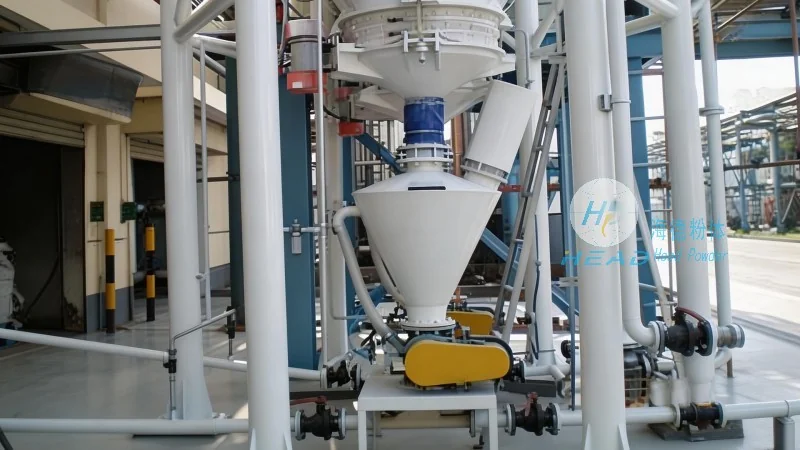
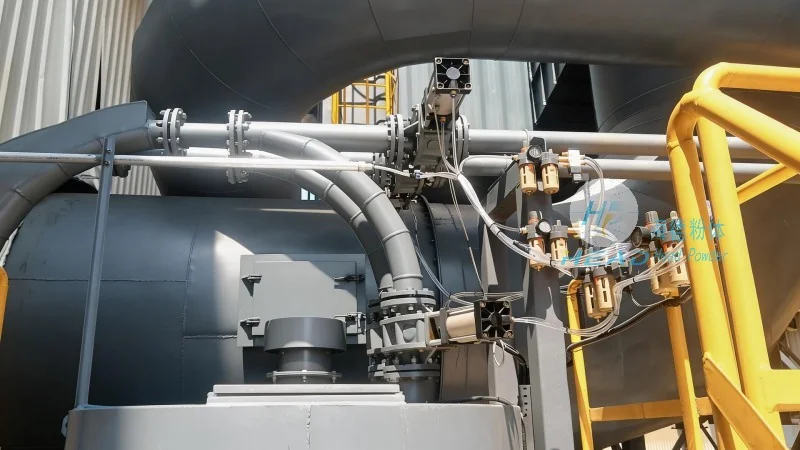
Pneumatic conveying is a method of transporting solid materials, including polyolefin powders and granules, using a stream of air or gas. The core principle involves creating a pressure differential or vacuum to move the material through a pipeline. In polyolefin applications, this technology is particularly valuable due to the material's properties such as low density, variable flowability, and sensitivity to moisture or contamination. The system typically consists of a material feed hopper, a conveying line, and a discharge point, with air being supplied by a blower or compressor. The air velocity is carefully controlled to ensure the material is suspended and transported efficiently without causing excessive wear or degradation. For polyolefins, the choice between positive pressure (blow-through) and negative pressure (suction) systems depends on factors like material handling distance, system layout, and environmental considerations. Positive pressure systems are often preferred for long-distance or complex layouts as they provide better control over material flow and reduce the risk of dust ingress. Negative pressure systems, on the other hand, are suitable for applications requiring dust-free environments or where material is being transferred from a higher to a lower elevation.
Working Scenario Characteristics of Pneumatic Conveying for Polyolefin Materials
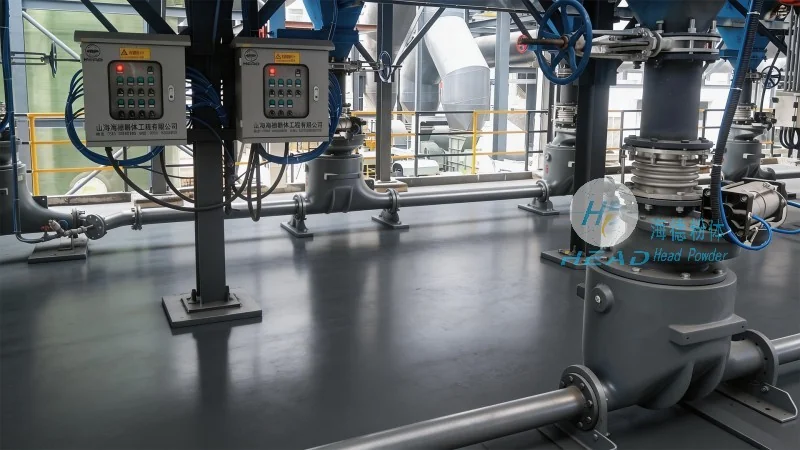
The effectiveness of pneumatic conveying in handling polyolefin materials is heavily influenced by the specific working scenarios in which it is applied. These scenarios vary based on the nature of the process, the scale of operation, and the environmental requirements. For instance, in plastic manufacturing plants, pneumatic conveying is commonly used to transport polyolefin granules from storage silos to extrusion lines or processing equipment. The key characteristics in such scenarios include high material throughput, consistent flow rates, and minimal product degradation. The system must be designed to handle the material's tendency to agglomerate or form bridging in hoppers, which can be mitigated through proper hopper design and air distribution. In addition, the conveying line must be constructed from materials resistant to the polyolefin's chemical properties to prevent adhesion or corrosion. Another critical scenario is in the chemical processing industry, where polyolefin powders may be mixed with other additives or processed in a closed system. Here, the working scenario emphasizes contamination control and precise dosing. Pneumatic conveying systems are often integrated with dust collection and filtration systems to maintain a clean environment and comply with regulatory standards. The operational characteristics in this scenario include low dust emission, accurate material measurement, and the ability to handle varying particle sizes. Furthermore, in bulk storage and handling facilities, pneumatic conveying is used to transfer polyolefin materials between storage silos, processing units, and packaging lines. The working scenario here involves large volumes and the need for reliable, continuous operation. The system must be capable of handling high flow rates while maintaining energy efficiency and minimizing maintenance requirements. The characteristics of the material, such as its low bulk density and potential for static buildup, are also critical considerations. Anti-static measures and proper grounding are often incorporated into the system design to ensure safe and efficient operation.
Company Overview: Shandong HeadPowder Engineering Co., Ltd.
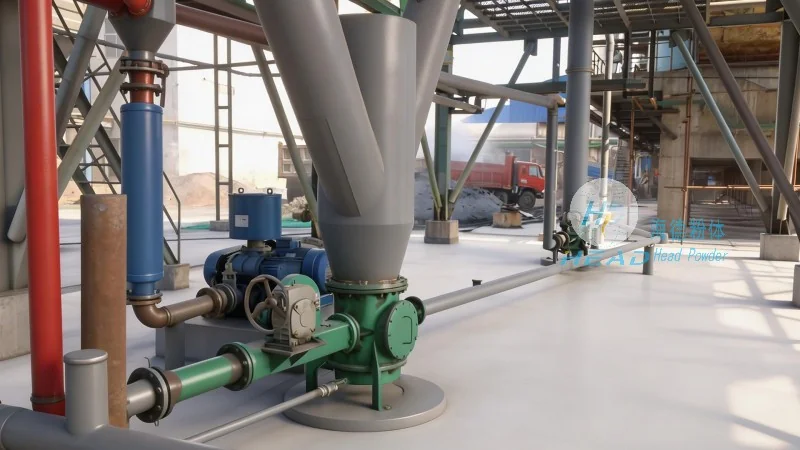
As a specialized engineering company, Shandong HeadPowder Engineering Co., Ltd. (headpowder) provides comprehensive solutions for pneumatic conveying systems tailored to polyolefin material handling needs. With a focus on industrial applications, the company leverages advanced engineering principles and material science expertise to design and implement efficient conveying systems. The company's approach involves a thorough understanding of the material's properties and the specific operational requirements of each client. By integrating state-of-the-art technology with practical engineering solutions, headpowder ensures that its systems meet the highest standards of performance, reliability, and safety. The company's commitment to quality and customer satisfaction is reflected in its customized approach to each project, where the working scenario characteristics are carefully analyzed to deliver optimal solutions. Whether for short-distance transfer or long-distance transport, headpowder's systems are designed to enhance productivity, reduce operational costs, and ensure the integrity of polyolefin materials throughout the conveying process. The company's presence in China, with its base in Shandong, positions it to serve a wide range of industrial clients across the region, providing local support and expertise for the successful implementation of pneumatic conveying solutions.