Sulfate nickel powder conveying systems are critical components in industrial processes that handle nickel sulfate powders, a key material in battery manufacturing and other applications. These systems are designed to efficiently transport the fine powder from storage to processing units, ensuring consistent flow and minimizing material loss. The core of such systems lies in understanding the principles of powder handling, including the physics of particle movement, air flow dynamics, and the mechanical components that facilitate smooth operation.
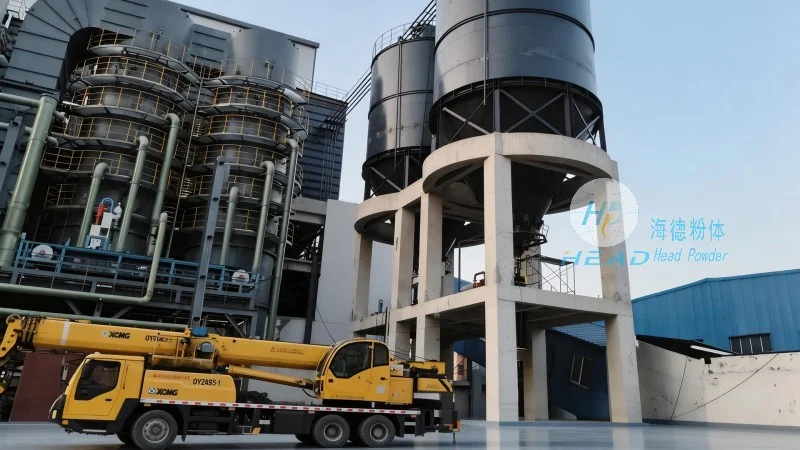
Key Principles of Sulfate Nickel Powder Conveying
The operation of a sulfate nickel powder conveying system is based on several fundamental principles. First, the system relies on air as the primary medium to move the powder particles. This is typically achieved through positive pressure or negative pressure (suction) methods. In positive pressure systems, compressed air is used to push the powder through a pipeline, while negative pressure systems use vacuum to draw the powder. The choice between these methods depends on factors like the powder's properties, the distance to be conveyed, and the required flow rate. Additionally, the design of the system must account for the powder's moisture content, particle size distribution, and potential for caking or agglomeration, as these factors can significantly impact conveying efficiency and system performance.
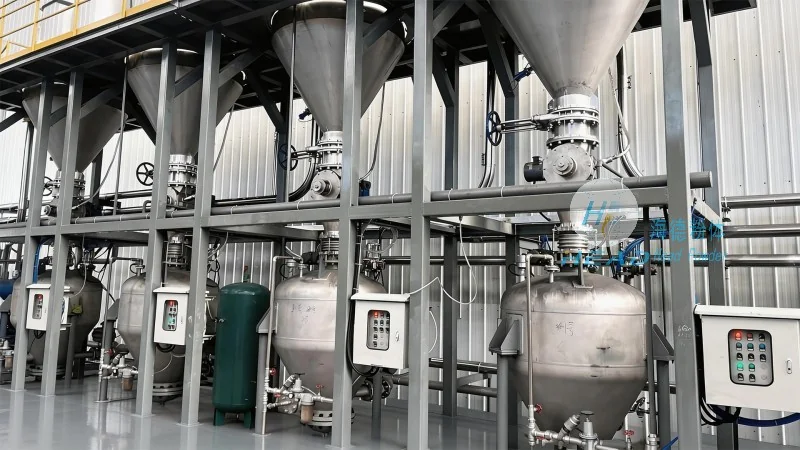
Working Scene Characteristics and Applications
Sulfate nickel powder conveying systems are widely used in various industrial settings, particularly in the battery manufacturing industry where nickel sulfate is a critical precursor for lithium-ion batteries. The working scene characteristics of these systems vary based on the scale of operation and the specific requirements of the production line. For instance, in large-scale battery production facilities, the conveying system may need to handle high volumes of powder over long distances, requiring robust and reliable equipment. In contrast, smaller-scale applications, such as in research and development labs or pilot plants, may use more compact and flexible systems that can be easily adjusted for different powder types and processing needs.
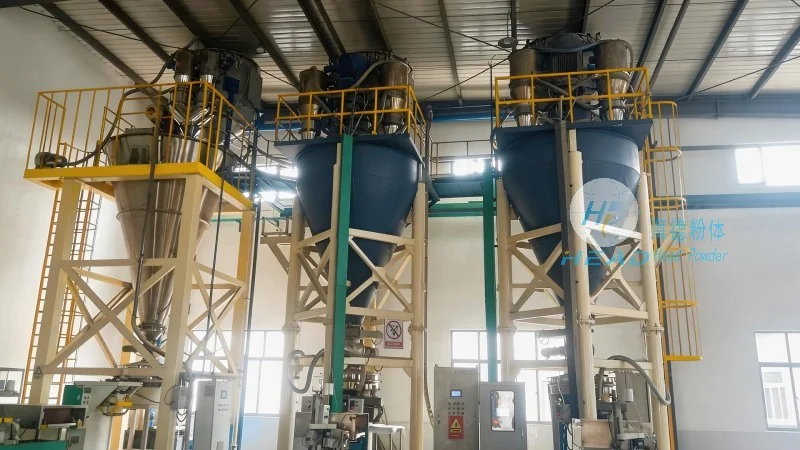
System Components and Their Functions
A typical sulfate nickel powder conveying system consists of several key components, each playing a crucial role in the overall operation. The main components include a hopper or feeder to store and feed the powder, a conveyor line (often a flexible tube or rigid pipe), a blower or vacuum pump to generate the air flow, and a control system to regulate the flow rate and pressure. The hopper is designed to maintain a consistent powder level and prevent blockages, while the feeder ensures a steady supply of powder to the conveyor line. The conveyor line, which can be made of materials like stainless steel or PTFE to resist corrosion and wear, transports the powder through the system. The blower or vacuum pump provides the necessary air pressure or suction to move the powder, and the control system monitors and adjusts the system parameters to maintain optimal performance. Additionally, some systems may include filters or cyclones to separate the powder from the air and prevent dust emissions, ensuring compliance with environmental regulations.
Advantages and Considerations in Sulfate Nickel Powder Conveying
Using a sulfate nickel powder conveying system offers several advantages over traditional methods like manual handling or bucket elevators. These systems provide a more efficient and consistent flow of powder, reducing material loss and improving process control. They also minimize the risk of dust exposure and contamination, which is crucial in industries where product purity is essential. However, there are also considerations to keep in mind when implementing such a system. For example, the system must be properly designed to handle the specific properties of the nickel sulfate powder, as variations in particle size or moisture content can affect conveying efficiency. Additionally, regular maintenance is required to ensure the system operates smoothly and to prevent issues like blockages or wear and tear. Proper training for operators is also important to ensure safe and effective operation of the system.
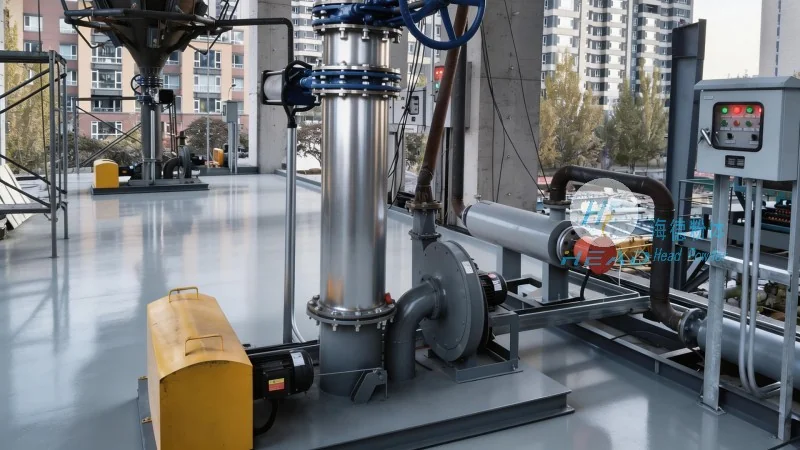
About Shandong HeadPowder Engineering Co., Ltd.
Shandong HeadPowder Engineering Co., Ltd., commonly known as headpowder, is a leading provider of specialized engineering solutions for powder handling systems. With a focus on innovation and quality, the company designs and manufactures conveying systems tailored to the unique needs of various industries, including battery manufacturing, chemical processing, and food processing. Headpowder's expertise lies in understanding the complex requirements of powder handling and developing customized solutions that enhance efficiency, safety, and reliability. The company's commitment to customer satisfaction and technical excellence has made it a trusted partner for businesses seeking reliable powder conveying solutions. Headpowder is headquartered in Shandong, China, and serves clients both domestically and internationally, providing comprehensive support from system design to installation and maintenance.




