

Technical Parameters and Conveying System Process for Silicates
Shandong HeadPowder Engineering Co., Ltd., commonly referred to as headpowder, is a leading enterprise based in Shandong, China, dedicated to the development and application of silicate materials and their associated conveying systems. The company specializes in providing tailored solutions for the efficient transportation of silicate-based products, catering to diverse industrial needs such as construction, ceramics, and chemical processing. With a strong focus on technical innovation and customer satisfaction, headpowder has established itself as a trusted partner in the field of silicate handling and system integration.
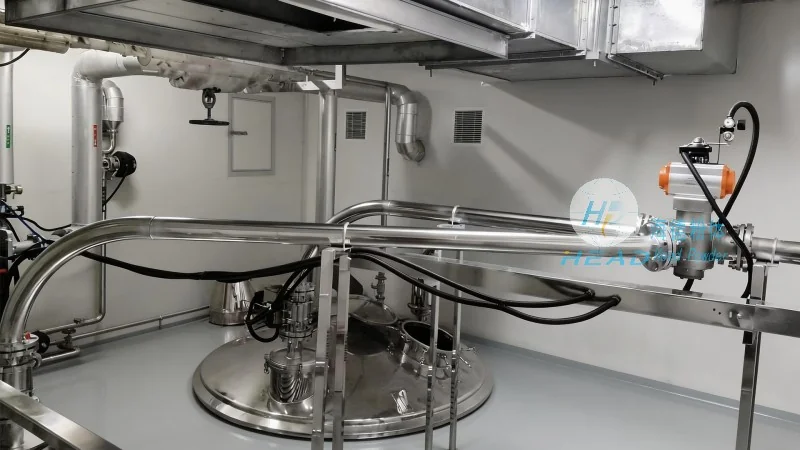
Key Technical Parameters of Silicates and Their Impact on Conveying Systems
Silicates, a broad class of inorganic compounds characterized by the presence of silicon-oxygen tetrahedra, exhibit a wide range of physical and chemical properties that significantly influence the design and operation of conveying systems. Understanding these parameters is essential for optimizing system performance and ensuring reliability. Key technical parameters include: chemical composition (e.g., silica content, alkaline metal oxides), particle size distribution (ranging from fine powders to coarse granules), bulk density (typically 0.8 to 2.5 g/cm³ depending on the material), moisture content (often below 1% for dry powders but higher for wet or hydrated silicates), and flowability (measured by angle of repose and Carr's index). For example, the particle size of silicate powders directly affects their flow characteristics; finer particles tend to have higher friction coefficients, increasing the risk of pipeline blockages and requiring more energy to transport. Conversely, larger particles may settle more quickly, necessitating the use of agitators or vibration systems to maintain flow. The moisture content is particularly critical, as higher moisture levels can lead to agglomeration, which can cause clogs in screw conveyors or pneumatic systems. By accurately characterizing these parameters, headpowder engineers can select appropriate equipment and configure the system to handle the specific challenges posed by each silicate material.
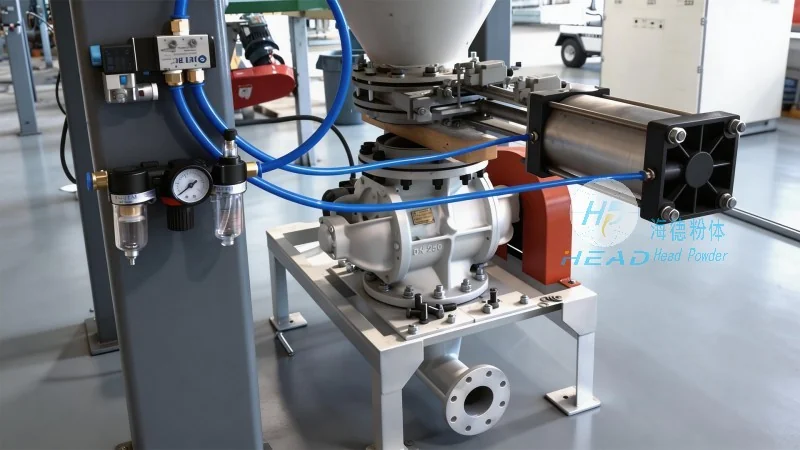
Design and Selection of Conveying Equipment for Silicates
The design of a silicate conveying system involves a systematic evaluation of material properties and operational requirements to select the most suitable equipment. Headpowder’s approach emphasizes the use of both mechanical and pneumatic conveying methods, each with distinct advantages and applications. Mechanical conveying systems, such as screw conveyors, belt conveyors, and bucket elevators, are ideal for handling bulk quantities of silicates over short to medium distances. Screw conveyors, for instance, are commonly used for horizontal or slight incline transport, with their helical flights providing continuous movement of material. The selection of screw diameter, pitch, and speed is critical; a larger diameter and slower speed are generally preferred for fine powders to minimize friction and prevent blockages. For vertical lifts, bucket elevators are preferred due to their high capacity and ability to handle abrasive materials. Pneumatic conveying systems, on the other hand, are suitable for longer distances, high-temperature applications, or materials that are difficult to handle mechanically. These systems use air or gas to transport silicates through pipelines, with options including positive displacement blowers or vacuum pumps. The choice of conveying method depends on factors such as material density, particle size, and the required system pressure. Headpowder’s engineers conduct thorough material flow analysis and energy efficiency assessments to determine the optimal combination of equipment, ensuring that the system operates at maximum efficiency while minimizing energy consumption and operational costs.
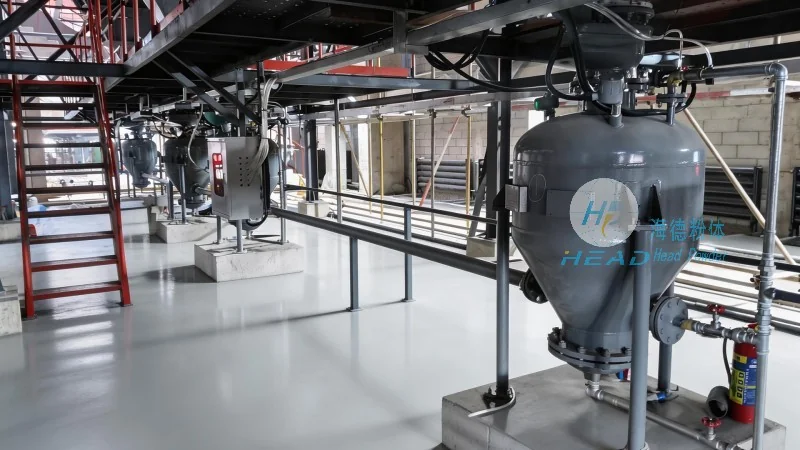
System Integration and Process Flow Optimization
The conveying system process for silicates typically follows a structured flow from storage to processing or packaging. The process begins with material storage in bulk silos or hoppers, which are designed to accommodate large volumes of silicate powders. From the storage silo, the material is discharged into a metering device, such as a rotary valve or feeder, which controls the flow rate to the conveying equipment. The selected conveying method transports the silicate to the next stage of the process, such as a mixing unit or a processing line. Headpowder ensures that each component of the system is integrated seamlessly, with proper transition points to avoid material degradation or loss. For example, in a ceramic manufacturing plant, the silicate powder is conveyed from the storage silo to the mixing unit, where it is combined with other raw materials like clay and feldspar. The system design considers factors like temperature control, as some silicates may require cooling or heating to maintain optimal processing conditions. Additionally, the system incorporates safety features, such as pressure relief valves and dust collection systems, to comply with industrial safety standards and environmental regulations. By streamlining the process flow, headpowder’s solutions enhance productivity while reducing operational costs and environmental impact. The company also emphasizes the importance of system flexibility, allowing for adjustments to accommodate changes in production volume or material specifications without significant modifications to the existing infrastructure.
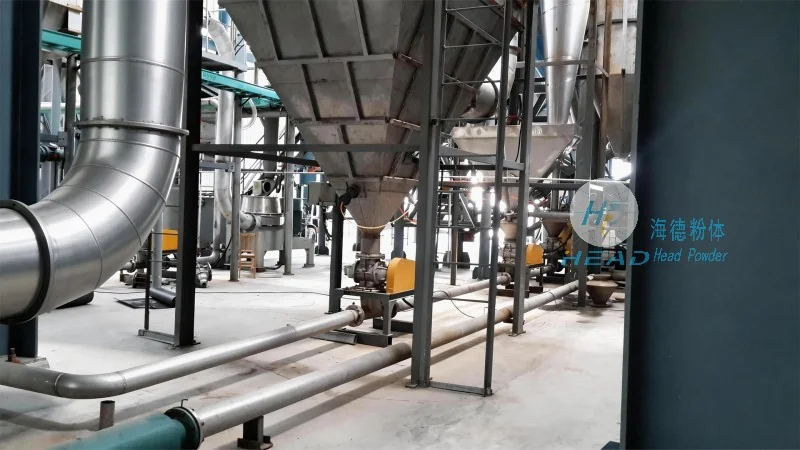
Quality Assurance and Maintenance Strategies
Ensuring the reliability and longevity of silicate conveying systems requires a comprehensive approach to quality assurance and maintenance. Headpowder implements a proactive maintenance program that includes regular inspections, component replacement, and performance monitoring. The technical parameters of the silicate material are continuously monitored to detect any changes that could affect system performance, such as variations in particle size or moisture content. This proactive approach helps prevent unexpected failures and extends the service life of the equipment. Furthermore, the company provides training to operational staff on proper system operation and troubleshooting, empowering them to address minor issues promptly and avoid costly downtime. The maintenance program also includes scheduled maintenance activities, such as cleaning of pipelines, replacement of wear parts (e.g., screw flights, conveyor belts), and calibration of flow meters. By adhering to industry best practices and leveraging advanced technology, headpowder maintains high standards of quality and efficiency in its silicate conveying systems, delivering consistent results to clients across various industries. The company’s commitment to quality assurance is reflected in its adherence to international standards, such as ISO 9001, and its continuous improvement initiatives aimed at enhancing system performance and reducing environmental impact.