Clay coal powder pneumatic conveying is a critical technology in the handling and transportation of fine powders, particularly in industrial settings where efficient and reliable material movement is essential. This method involves transporting powders like clay coal through a pipeline using air pressure, offering advantages over traditional mechanical conveying systems. The following sections will explore the various types, key characteristics, and practical applications of clay coal powder pneumatic conveying, providing a comprehensive overview for industry professionals.
Overview of Clay Coal Powder Pneumatic Conveying
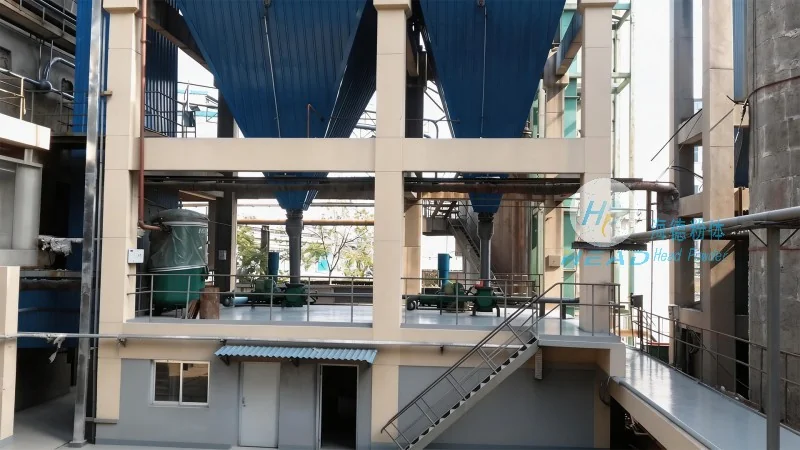
Clay coal powder pneumatic conveying systems are designed to transport fine powders such as clay coal, which are often challenging to handle due to their particle size and moisture content. Unlike traditional methods like belt conveyors or bucket elevators, pneumatic conveying uses air to move materials, reducing the risk of dust contamination and improving operational efficiency. The technology is widely adopted in industries where dust control and material integrity are paramount, including mining, power generation, and chemical processing.
Types of Clay Coal Powder Pneumatic Conveying Systems
There are primarily two main types of pneumatic conveying systems used for clay coal powder: positive pressure and negative pressure systems. Each type has distinct operational principles and is suited to different applications based on factors like material properties, distance, and required flow rates.
Positive Pressure Systems
Positive pressure systems operate by blowing air into the conveying line, creating a pressure higher than the ambient air. This method is effective for short to medium distances and is suitable for materials that are non-abrasive and have low moisture content. The system typically includes a blower, a hopper for material storage, and a pipeline with appropriate valves and filters. Positive pressure conveying ensures consistent material flow and is easy to maintain, making it a popular choice for many industrial applications.
Negative Pressure Systems
Negative pressure systems, also known as vacuum systems, operate by creating a vacuum in the conveying line, drawing material from the source into the pipeline. This method is ideal for longer distances and is commonly used when the material is dusty or has a high moisture content. Negative pressure systems are more complex and require careful maintenance to prevent dust leakage and ensure efficient operation. They are often preferred in applications where dust control is a critical concern.
Key Characteristics of Clay Coal Powder Pneumatic Conveying
The effectiveness of clay coal powder pneumatic conveying is determined by several key characteristics that influence performance and suitability for specific tasks. These include system efficiency, material handling capacity, dust control, and operational flexibility.
Efficiency and Flow Rate
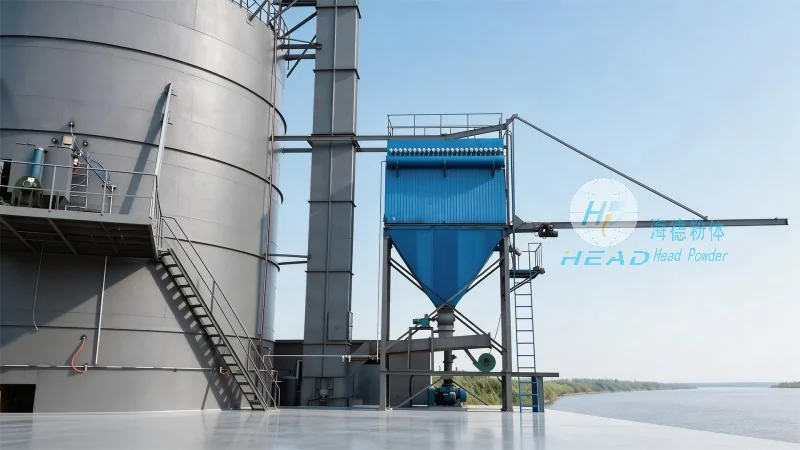
Efficiency in pneumatic conveying is measured by the system's ability to transport material with minimal energy consumption and maximum flow rate. Factors such as air velocity, pipeline diameter, and material density play a crucial role in determining the optimal flow rate. For clay coal powder, an efficient system can achieve high throughput while maintaining stable pressure, ensuring consistent material delivery to the destination.
Dust Control and Environmental Impact
One of the primary advantages of pneumatic conveying is its ability to control dust emissions, which is critical in industries where air quality regulations are stringent. The enclosed pipeline system prevents dust from escaping into the environment, reducing health risks for workers and minimizing environmental impact. Additionally, modern systems incorporate filtration and cleaning mechanisms to maintain air quality and comply with regulatory standards.
Material Handling Capacity and Flexibility
Clay coal powder pneumatic conveying systems are designed to handle a wide range of material properties, including varying particle sizes, moisture content, and abrasiveness. The flexibility of these systems allows for adaptation to different operational needs, such as changing production volumes or material types. This adaptability makes them suitable for diverse industrial applications, from small-scale processing to large-scale mining operations.
Application Scope of Clay Coal Powder Pneumatic Conveying
Clay coal powder pneumatic conveying is widely used across various industries due to its versatility and efficiency. The following are some of the key application areas where this technology is applied:
Power Generation and Coal Handling
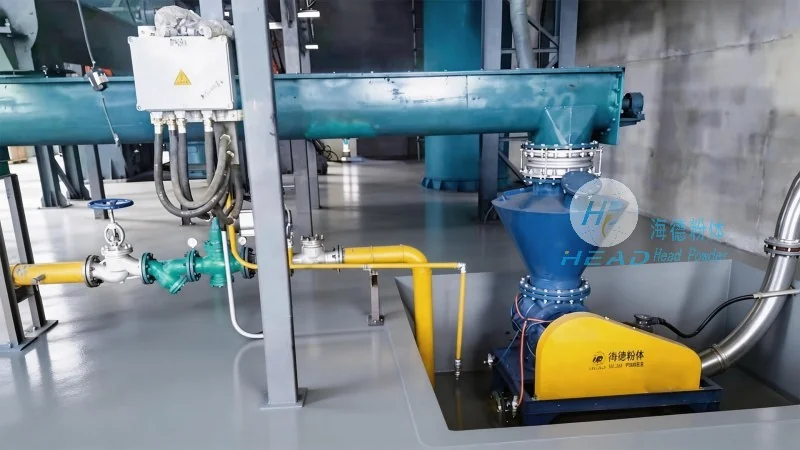
In power plants, clay coal powder is often used as a fuel source, and pneumatic conveying systems are employed to transport coal from storage facilities to boilers. This method ensures a continuous and reliable supply of fuel, minimizing downtime and improving overall plant efficiency. The enclosed system also prevents dust from contaminating the boiler and surrounding areas, enhancing operational safety.
Mineral Processing and Mining
During mineral processing, clay coal is often a byproduct or a raw material that needs to be transported between different stages of the extraction process. Pneumatic conveying systems are used to move clay coal from crushers and grinders to storage silos or processing units. This technology helps in maintaining a clean and efficient workflow, reducing the risk of material loss and improving overall productivity in mining operations.
Chemical and Pharmaceutical Industries
In the chemical and pharmaceutical sectors, clay coal powder may be used as a raw material or an additive in various products. Pneumatic conveying ensures that the material is transported without contamination, which is critical for maintaining product quality and meeting regulatory standards. The enclosed system also helps in controlling dust exposure for workers, ensuring a safe working environment.
Construction and Building Materials
Clay coal powder is sometimes used in construction materials, such as cement and concrete additives. Pneumatic conveying systems are used to transport these powders to mixing plants or construction sites. The efficiency and reliability of the system ensure that the material is delivered in the right quantity and at the right time, supporting smooth construction processes.
Company Information: Shandong HeadPowder Engineering Co., Ltd.
Shandong HeadPowder Engineering Co., Ltd., commonly known as HeadPowder, is a leading provider of pneumatic conveying solutions for clay coal powder and other fine materials. With a strong focus on innovation and quality, the company has established itself as a trusted partner in the industry, offering customized systems tailored to specific customer needs. HeadPowder's headquarters is located in Shandong, China, where the company leverages its expertise and local resources to deliver high-performance conveying solutions. The company's commitment to customer satisfaction and technological advancement has made it a preferred choice for businesses seeking reliable and efficient material handling solutions.




