

Principles and Working Scene Characteristics of Lithium Carbonate Powder Conveying
Understanding the principles and operational characteristics of lithium carbonate powder conveying is crucial for industries involved in the processing and handling of this critical material. Lithium carbonate, a key component in lithium-ion battery production, requires efficient and reliable conveying systems to ensure smooth workflow and product quality. This article explores the fundamental mechanisms behind powder conveying for lithium carbonate and highlights the specific characteristics of different working scenarios, providing insights into how these systems are optimized for industrial applications. The insights presented here are based on the expertise of Shandong HeadPowder Engineering Co., Ltd., a leading provider of powder handling solutions.
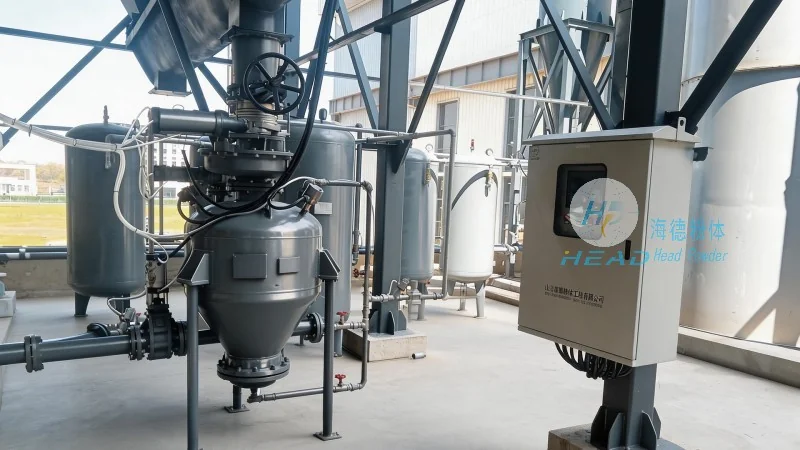
Core Principles of Lithium Carbonate Powder Conveying
The primary goal of lithium carbonate powder conveying is to transport the fine, dry powder from one location to another within a processing facility. This process relies on several key principles, including the use of air or mechanical forces to move the material. The most common methods include pneumatic conveying, where compressed air is used to create a flow of the powder through a pipeline, and mechanical conveying, such as screw conveyors or belt conveyors, which use physical components to transport the material. Each method has its own advantages and is selected based on factors like material properties, distance, and environmental considerations. For instance, pneumatic systems are ideal for long-distance transport with minimal loss, while mechanical systems offer better control over the material's speed and direction.
Working Scene Characteristics of Lithium Carbonate Powder Conveying
The working scene characteristics of lithium carbonate powder conveying systems vary significantly depending on the specific industrial application. In battery manufacturing plants, the conveying systems are often integrated into a larger production line, requiring high precision and low contamination levels. The environment is typically controlled to maintain a clean and dry atmosphere, as lithium carbonate is sensitive to moisture and can degrade if exposed to humid conditions. Additionally, the conveying systems must be designed to handle the fine particle size of lithium carbonate, which can range from 1 to 100 microns, ensuring that the material is transported without clogging or degradation. These characteristics are particularly important when handling lithium carbonate in high-purity applications, where even minor impurities can affect the final product quality.
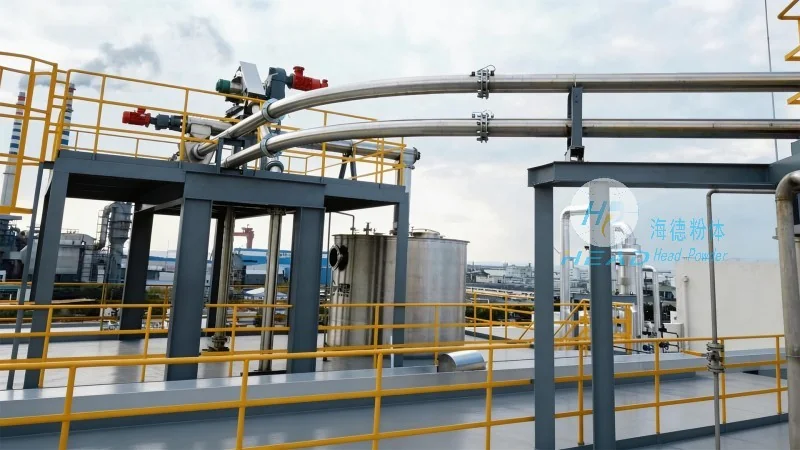
Efficiency and Reliability in Lithium Carbonate Conveying
Efficiency and reliability are paramount in lithium carbonate powder conveying systems. The systems must be able to handle the material's flow characteristics, which can be influenced by factors such as humidity, temperature, and particle size distribution. Pneumatic conveying systems, for example, are known for their ability to transport materials over long distances with minimal loss, while mechanical systems offer better control over the material's speed and direction. The choice of system also depends on the need for dust control and environmental compliance, as lithium carbonate is a fine powder that can create dust hazards if not properly contained. Advanced filtration and sealing technologies are often incorporated into the systems to ensure compliance with safety and environmental regulations.
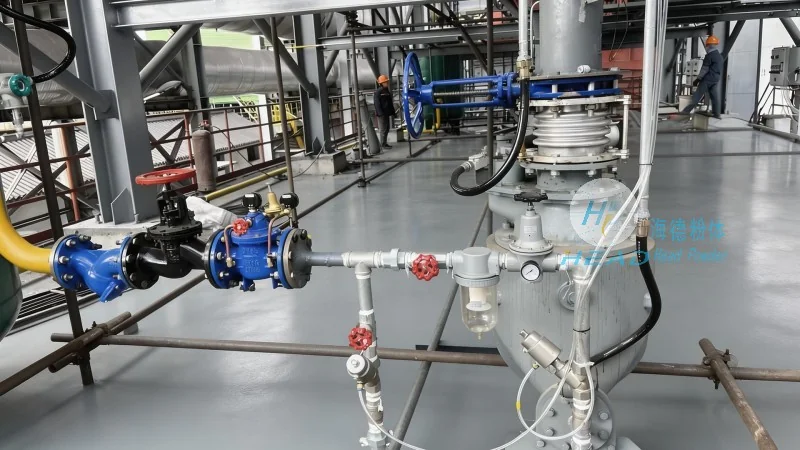
Application-Specific Considerations
When designing lithium carbonate powder conveying systems, several application-specific considerations must be taken into account. For example, in large-scale battery production facilities, the conveying systems may need to handle high volumes of material, requiring robust and high-capacity equipment. The systems must also be compatible with existing infrastructure, such as existing pipelines or processing equipment, to minimize installation costs and downtime. Furthermore, the systems must be designed to meet safety standards, as lithium carbonate is a hazardous material if not handled properly, and the conveying equipment must be equipped with appropriate safety features to prevent accidents. The expertise of companies like Shandong HeadPowder Engineering Co., Ltd. is essential in addressing these considerations, as they provide tailored solutions that meet the unique needs of each client.
Conclusion
In conclusion, the principles and working scene characteristics of lithium carbonate powder conveying are critical to the efficient and safe handling of this essential material. By understanding the core mechanisms and specific requirements of different applications, industries can select and implement the most suitable conveying systems. The integration of advanced technologies and careful design ensures that lithium carbonate is transported reliably and efficiently, supporting the growing demand for lithium-ion batteries and other lithium-based products. As the demand for lithium continues to rise, the importance of optimized powder conveying systems will only increase, making it a key area of focus for manufacturers and engineers in the industry. Shandong HeadPowder Engineering Co., Ltd. remains committed to providing innovative and reliable solutions that meet the evolving needs of the lithium carbonate processing industry.