

Principle and Working Scene Characteristics of Resin Powder Pneumatic Conveying Machines
Resin powder pneumatic conveying machines represent a sophisticated solution for the efficient handling and transportation of resin powders in industrial settings. These systems leverage pneumatic principles to move bulk materials through a closed pipeline network, offering advantages such as dust-free operation, reduced material degradation, and enhanced safety compared to traditional mechanical conveying methods.
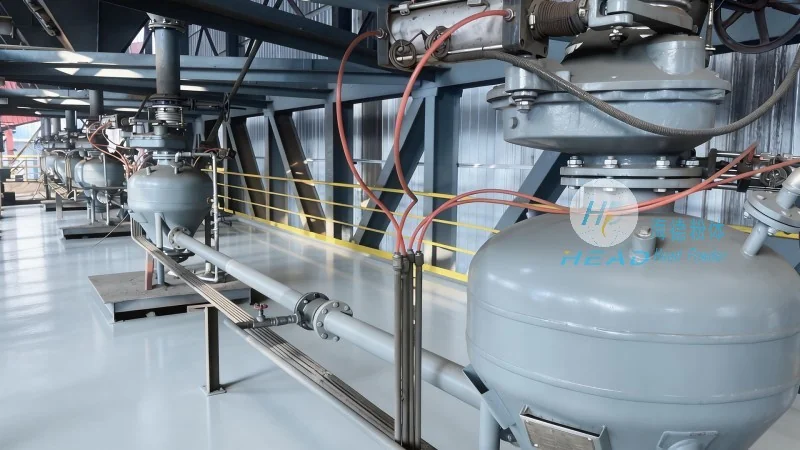
Working Principle of Resin Powder Pneumatic Conveying Machines
The core mechanism of resin powder pneumatic conveying involves the use of compressed air or gas to create a flow that transports the resin powder particles. The process typically begins with the resin powder being introduced into a hopper or feeder, where it is then drawn into a pipeline by the moving air stream. As the air flows through the system, it carries the powder particles along, maintaining a consistent velocity to ensure smooth transport. The system may employ various configurations, including dilute-phase and dense-phase conveying, depending on the specific requirements of the application. Dilute-phase systems use higher air velocities to keep particles suspended, while dense-phase systems employ lower velocities to create a more compact flow, which is often preferred for delicate or high-value resin powders.
Key Working Scene Characteristics
The application of resin powder pneumatic conveying machines is characterized by several distinct features that make them suitable for diverse industrial environments. Firstly, these systems are highly effective in maintaining the integrity of resin powders, preventing agglomeration or degradation that can occur with mechanical handling. This is particularly important for resin powders used in manufacturing processes where uniform particle size and consistency are critical. Secondly, the dust-free operation of pneumatic conveying minimizes environmental contamination and health risks associated with airborne resin particles, aligning with modern industrial safety standards. Thirdly, the flexibility of pneumatic systems allows for easy integration into existing production lines, enabling seamless material transfer between different processing stages. Additionally, the compact design of these machines reduces the footprint required for installation, making them ideal for facilities with limited space.
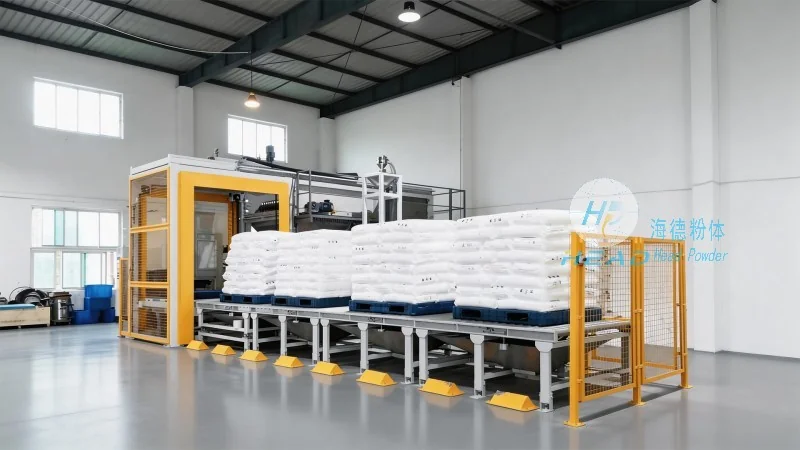
Industrial Applications and Performance
Resin powder pneumatic conveying machines are widely utilized across various industries, including plastics manufacturing, chemical processing, and pharmaceuticals. In the plastics industry, for instance, these systems are crucial for transporting resin powders from storage silos to extrusion or molding machines, ensuring a continuous and controlled supply of raw materials. The ability to handle different resin types, such as polyethylene, polypropylene, and polystyrene, with minimal variation in performance makes them versatile tools for manufacturers. In chemical processing, the systems are employed to convey reactive resin powders safely, preventing accidental exposure and ensuring compliance with regulatory standards. The consistent flow and low contamination levels also contribute to improved product quality and reduced waste in these applications.
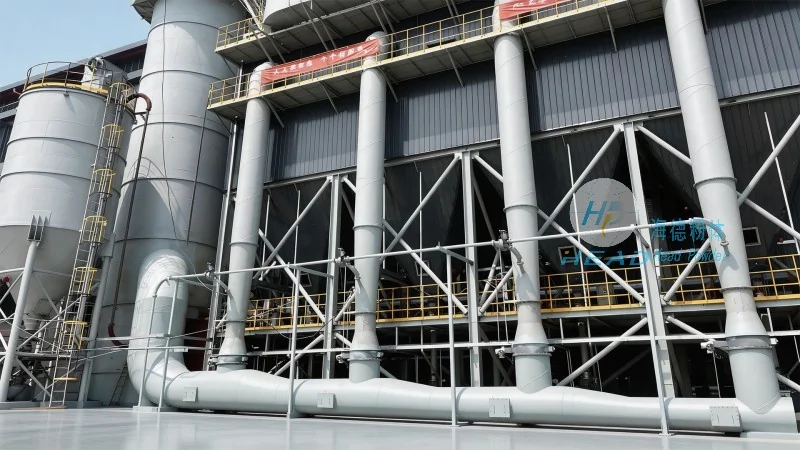
Advantages Over Traditional Conveying Methods
Compared to traditional mechanical conveying methods like screw conveyors or belt conveyors, resin powder pneumatic conveying machines offer several advantages. Mechanical systems often suffer from material buildup and wear, leading to increased maintenance costs and potential downtime. In contrast, pneumatic systems have fewer moving parts, reducing the risk of mechanical failure and lowering maintenance requirements. Additionally, the absence of mechanical contact with the resin powder minimizes the risk of contamination from metal or other foreign particles, which is essential for high-purity applications. The energy efficiency of pneumatic conveying, particularly in dense-phase configurations, also contributes to lower operational costs over time. These benefits make pneumatic conveying an attractive option for industries seeking reliable and cost-effective material handling solutions.
Conclusion
Resin powder pneumatic conveying machines represent a reliable and efficient solution for the transportation of resin powders in industrial settings. By leveraging pneumatic principles, these systems offer advantages such as dust-free operation, material integrity preservation, and flexibility in application. The working scene characteristics, including their ability to handle diverse resin types and integrate into existing production lines, make them suitable for a wide range of industries. As industrial demands for efficient and safe material handling continue to grow, the adoption of resin powder pneumatic conveying machines is likely to increase, supporting the production of high-quality resin products and contributing to the overall efficiency of manufacturing processes.