

Application and Optimization of Pneumatic Conveying Technology in Metal Aluminum Powder Handling Des
Handling metal aluminum powder requires specialized equipment and processes to ensure safety, efficiency, and product integrity. Pneumatic conveying technology has emerged as a leading solution for transporting aluminum powder in various industrial applications, including manufacturing, processing, and storage. This technology involves the use of air or gas to move powder materials through a pipeline system, offering advantages such as reduced contamination, improved safety, and enhanced operational flexibility compared to traditional methods like belt conveyors or bucket elevators.
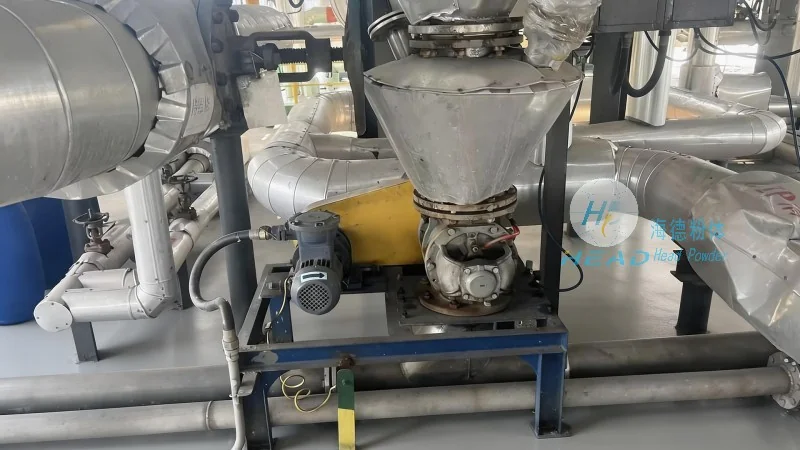
Key Challenges in Metal Aluminum Powder Handling and How Pneumatic Conveying Addresses Them
Aluminum powder, due to its fine particle size and lightweight nature, poses several challenges during transportation. These include the risk of dust explosions, material segregation, and inefficient flow through conventional systems. Traditional handling methods may lead to product degradation, increased maintenance costs, and safety hazards. Pneumatic conveying systems are engineered to mitigate these issues by utilizing controlled air pressure and specialized components. For instance, the design of the conveying line, including the selection of appropriate pipe diameters and materials, plays a critical role in maintaining consistent flow rates and preventing blockages. Additionally, the incorporation of explosion-proof features and dust collection systems ensures compliance with safety regulations and protects personnel and equipment.
HeadPowder's Expertise in Designing Optimized Pneumatic Conveying Systems for Aluminum Powder
Shandong HeadPowder Engineering Co., Ltd., commonly known as headpowder, is a leading provider of customized pneumatic conveying solutions tailored to the unique needs of metal aluminum powder handling. With years of experience in the industry, headpowder specializes in designing and implementing systems that optimize material transport while minimizing risks. The company's approach involves a thorough understanding of the client's operational requirements, including production volume, material characteristics, and safety standards. By leveraging advanced engineering principles and state-of-the-art technology, headpowder develops systems that enhance productivity, reduce downtime, and ensure long-term reliability.
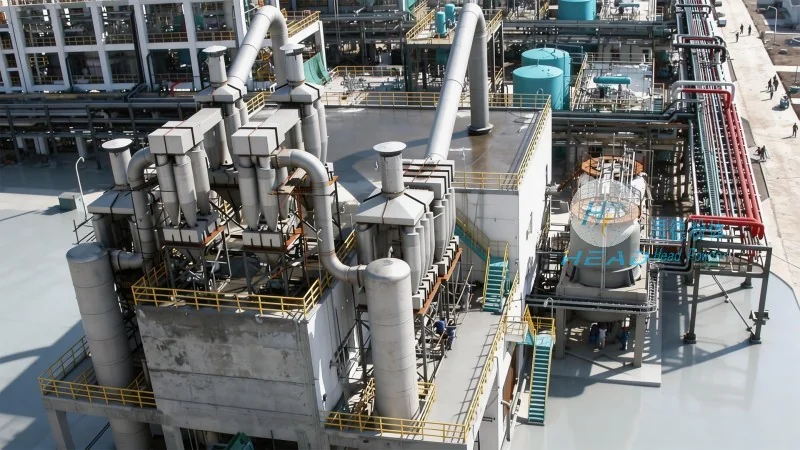
Components and Design Considerations for Aluminum Powder Pneumatic Conveying Systems
A successful pneumatic conveying system for metal aluminum powder consists of several key components, each designed to address specific operational needs. The system typically includes a material feed hopper, a conveying line (made from materials like stainless steel or explosion-proof plastic to prevent corrosion and ensure safety), a pressure or vacuum source (such as a blower or vacuum pump), and a receiving hopper or silo. The choice of components is critical to the system's performance. For example, the feed hopper is designed to minimize material segregation and ensure a consistent flow of powder into the conveying line. The conveying line's diameter and length are optimized based on the material's flow properties and the desired transport speed. The pressure source is selected to provide sufficient air velocity to overcome friction and maintain material movement without causing excessive wear on components. Additionally, the system may include features such as in-line mixers or classifiers to adjust the powder's consistency or remove contaminants before delivery.
Optimization Strategies for Enhancing Pneumatic Conveying Performance in Aluminum Powder Handling
Optimizing a pneumatic conveying system for metal aluminum powder involves several strategies aimed at improving efficiency, reducing energy consumption, and extending equipment life. One key strategy is the selection of the appropriate conveying mode—either positive pressure (where air is blown into the system to push the powder) or negative pressure (where air is drawn out to pull the powder). The choice depends on factors such as the distance to be covered, the material's density, and the need for dust control. Positive pressure systems are often preferred for longer distances or when transporting materials with higher moisture content, as they provide better control over the flow and reduce the risk of material settling in the line. Negative pressure systems, on the other hand, are suitable for shorter distances and applications where dust containment is a priority.
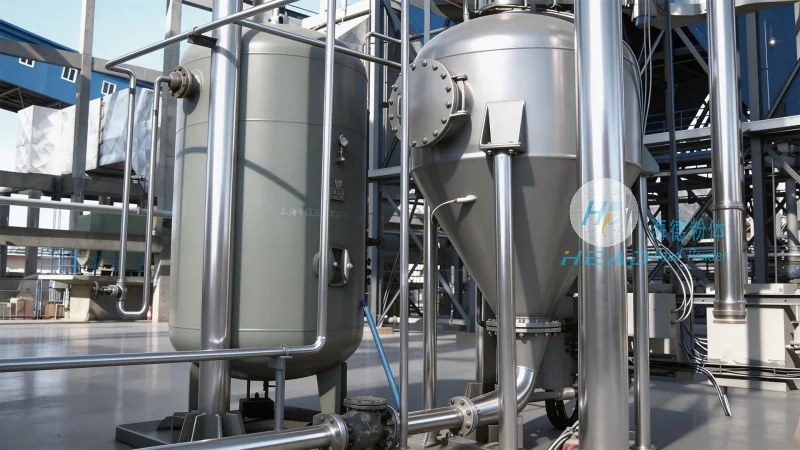
Ensuring Safety and Compliance in Aluminum Powder Pneumatic Conveying
Given the hazardous nature of aluminum powder, safety is a top priority in the design and operation of pneumatic conveying systems. headpowder incorporates multiple safety features into its systems to comply with industry standards and regulations. These include explosion-proof components, such as spark-proof motors and flame arrestors, to prevent ignition sources. The system may also include dust collection and filtration systems to minimize the release of fine particles into the environment and reduce the risk of dust accumulation. Additionally, the design of the conveying line and hopper includes features like smooth surfaces and rounded corners to prevent material buildup and reduce the likelihood of blockages. Regular maintenance and monitoring of the system are also essential to ensure ongoing safety and performance.
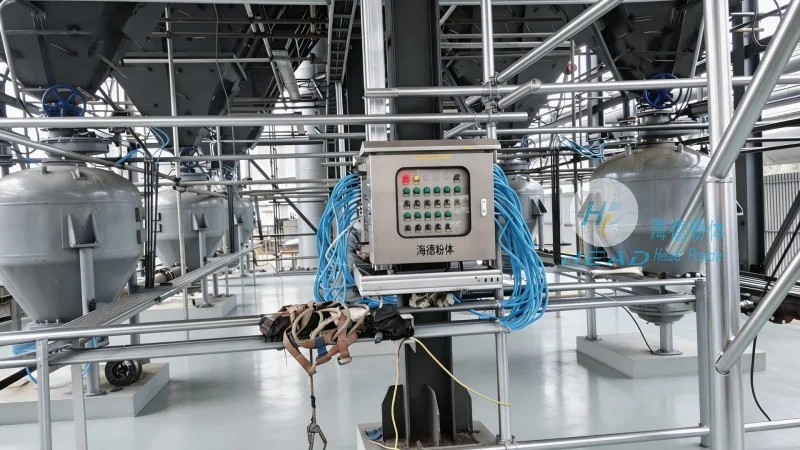
Case Studies and Real-World Applications of HeadPowder's Pneumatic Conveying Solutions
headpowder has successfully implemented pneumatic conveying systems for metal aluminum powder in various industrial settings, demonstrating the effectiveness of its customized solutions. For example, a client in the aerospace industry required a system to transport aluminum powder for use in composite manufacturing. headpowder designed a positive pressure system with stainless steel piping and explosion-proof blower, which reduced material loss and improved production efficiency by 20%. Another client in the automotive sector needed a system to handle aluminum powder for coating applications. headpowder's solution included a combination of positive and negative pressure modes, with in-line classifiers to adjust the powder's particle size, resulting in improved coating quality and reduced waste.
Conclusion: The Role of Pneumatic Conveying in Modern Metal Aluminum Powder Handling
Pneumatic conveying technology continues to play a vital role in the efficient and safe handling of metal aluminum powder. By optimizing system design, incorporating advanced safety features, and leveraging expert engineering, companies like Shandong HeadPowder Engineering Co., Ltd. are enabling industries to meet their operational goals while adhering to strict safety and environmental standards. As the demand for aluminum powder in various applications grows, the importance of reliable and efficient material handling systems will only increase. With its commitment to innovation and customer-centric solutions, headpowder remains at the forefront of providing tailored pneumatic conveying solutions for metal aluminum powder handling, ensuring that clients can achieve optimal performance and long-term success in their operations.