Plastic powder pneumatic conveying machines are essential equipment in modern industrial processes, designed to efficiently transport plastic powders and granules from one location to another. This article explores the fundamental principles behind these machines and highlights the key working scene characteristics that make them indispensable in various industrial applications.
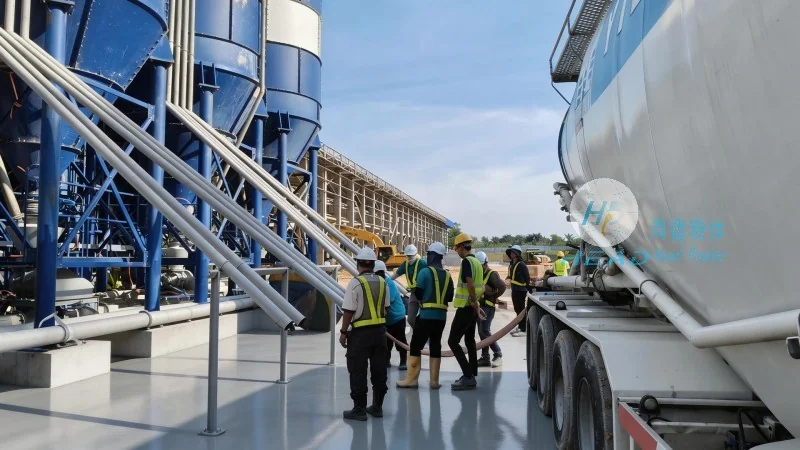
Introduction to Plastic Powder Pneumatic Conveying Machines
HeadPowder, a leading manufacturer based in Shandong, China, specializes in the design and production of high-quality pneumatic conveying systems tailored for plastic powder handling. The company's expertise lies in creating customized solutions that meet the specific needs of different industries, ensuring optimal performance and reliability. With a strong commitment to innovation and quality, HeadPowder has established itself as a trusted partner for businesses seeking efficient material handling solutions.
The Working Principle of Plastic Powder Pneumatic Conveying
The core principle of plastic powder pneumatic conveying machines is the use of air pressure to move plastic powders through a pipeline system. There are two main types of pneumatic conveying: pressure and vacuum systems. In pressure systems, compressed air is used to push the material forward, while vacuum systems create a negative pressure to draw the material into the pipeline. The choice between these systems depends on factors such as the distance, material characteristics, and system layout. The conveying process involves several key components, including a hopper for material storage, a feeder to control the flow rate, a pipeline network for material transport, and a receiver for material discharge. The air flow rate and pressure are carefully controlled to ensure smooth and efficient material movement, minimizing product degradation and equipment wear.
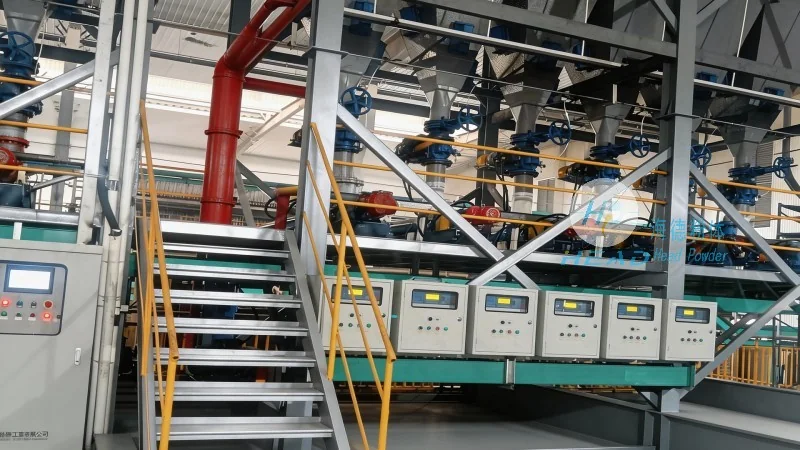
Key Working Scene Characteristics
Plastic powder pneumatic conveying machines are widely used in various industrial settings due to their versatility and efficiency. The working scene characteristics of these machines include:
1. High Efficiency and Low Maintenance
These machines offer high material throughput rates while requiring minimal maintenance. The absence of moving parts in the conveying line reduces the risk of mechanical failure and extends the equipment's operational life. This makes them ideal for continuous production environments where downtime is costly.
2. Gentle Material Handling
Plastic powders are often sensitive to handling, and pneumatic conveying provides a gentle method of transport. Unlike mechanical conveyors, which can cause attrition and particle breakdown, pneumatic systems minimize product degradation, preserving the quality and properties of the plastic powder. This is particularly important for applications where the material's physical and chemical characteristics need to be maintained.
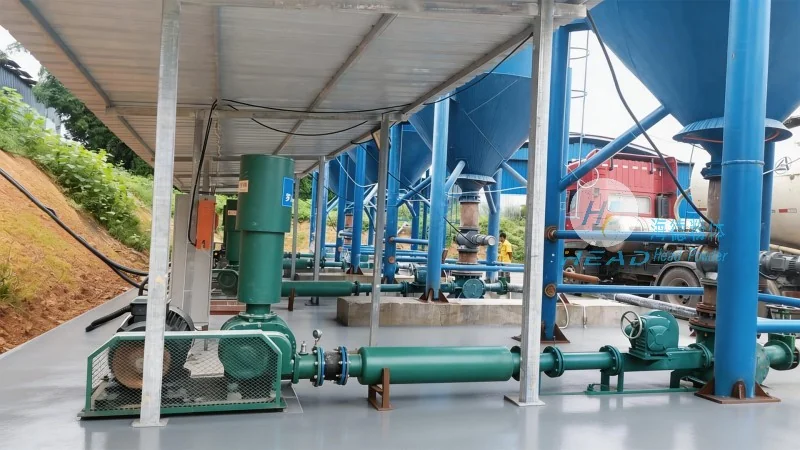
3. Versatility in Material Handling
Plastic powder pneumatic conveying machines can handle a wide range of plastic materials, including polyethylene, polypropylene, polystyrene, and others. They are also suitable for handling materials with different particle sizes, moisture contents, and flow properties. The adaptability of these systems allows them to be integrated into existing production lines or used as standalone solutions for material transport.
4. Space Efficiency and Flexibility
Due to their compact design and the ability to route pipelines horizontally or vertically, pneumatic conveying systems are highly space-efficient. This makes them suitable for installations with limited floor space or where the layout of the production facility requires flexible material transport routes. The flexibility of the system allows for easy reconfiguration or expansion as production needs change.
5. Environmental and Safety Benefits
Pneumatic conveying systems are generally more environmentally friendly compared to other material handling methods. They eliminate the need for dust collection systems associated with mechanical conveyors, reducing the risk of dust explosions and improving workplace safety. Additionally, the enclosed pipeline system prevents material contamination and exposure to the environment, maintaining product purity.
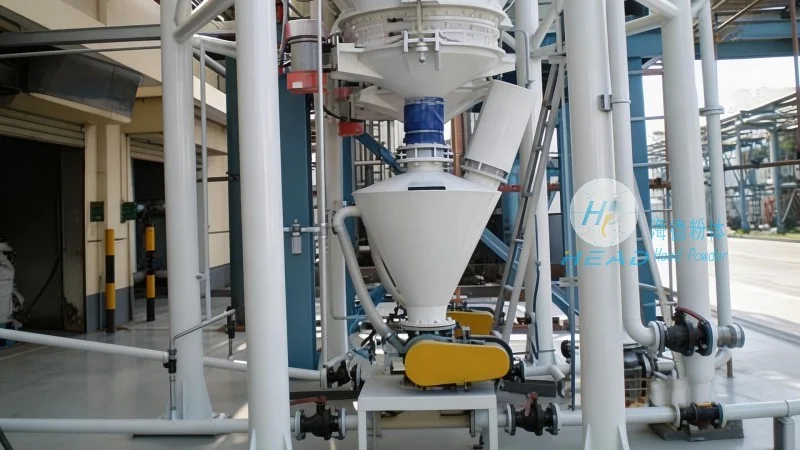
Applications in Different Industries
Plastic powder pneumatic conveying machines are utilized in various industries, including plastic manufacturing, food processing, pharmaceuticals, and chemical production. In the plastic industry, they are commonly used for transporting raw materials to extrusion and molding machines, ensuring a steady supply of plastic powders for production. In food processing, they help move ingredients like starches and powders without cross-contamination. The pharmaceutical industry benefits from the hygienic design of these systems, which prevents product contamination and ensures compliance with regulatory standards. In chemical production, they are used to transport various powders and granules safely and efficiently.
Conclusion
Plastic powder pneumatic conveying machines, manufactured by Shandong HeadPowder Engineering Co., Ltd. in Shandong, China, represent a reliable and efficient solution for plastic powder handling in diverse industrial applications. By understanding the working principles and key characteristics of these machines, businesses can make informed decisions about implementing pneumatic conveying systems that enhance productivity, reduce costs, and improve product quality. With continuous advancements in technology, these machines are poised to play an increasingly important role in the future of material handling, ensuring sustainable and efficient industrial operations.




