HeadPowder, a leading provider in the field, specializes in the design, manufacturing, and implementation of advanced powder pneumatic conveying systems. With headquarters located in Shandong, China, the company has established itself as a trusted partner for industries requiring efficient and reliable material handling solutions. This article delves into the fundamental principles of powder pneumatic conveying lines and highlights the key characteristics of their working environments, offering insights into how these systems enhance operational efficiency across various sectors.
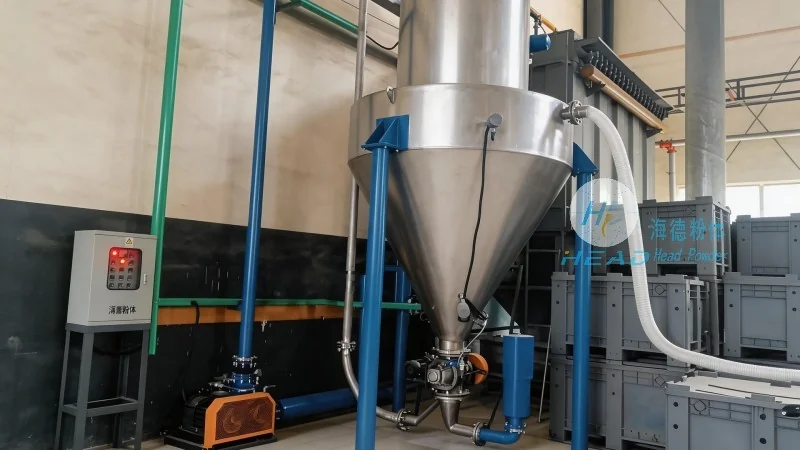
Understanding the Core Principle of Powder Pneumatic Conveying
Powder pneumatic conveying lines operate on the principle of transporting dry powder materials through a pipeline using compressed air or other gas as the conveying medium. Unlike traditional mechanical systems that rely on belts, screws, or buckets, pneumatic conveying utilizes the kinetic energy of the gas to move particles, enabling the transport of materials over long distances with minimal friction and reduced product degradation. The system typically consists of a hopper for material storage, a feeder to control the flow rate, a pipeline network, and a receiver to collect the conveyed material. The choice of conveying method—such as dilute phase or dense phase—depends on factors like material properties, distance, and required flow rate, each tailored to optimize performance and energy efficiency.
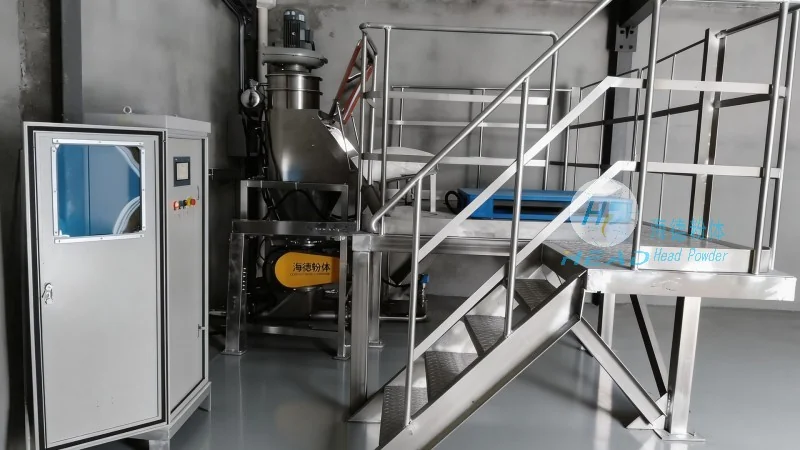
Key Working Scene Characteristics of Powder Pneumatic Conveying Systems
The working scene characteristics of powder pneumatic conveying lines are defined by several critical factors that influence system design and operational effectiveness. First, the material's physical properties, including particle size, density, and moisture content, play a pivotal role in determining the most suitable conveying method. For example, fine powders with low bulk density may require dilute phase conveying, where the material is suspended in a high-velocity air stream, while bulkier or cohesive materials might benefit from dense phase conveying, which uses lower air velocities to maintain a slurry-like flow. Second, the distance and elevation changes between the source and destination points significantly impact system design. Longer distances or higher elevations may necessitate additional boosters or larger compressor capacity to maintain sufficient pressure and velocity for effective material transport. Third, the system's integration with existing production lines and the need for minimal downtime during maintenance are crucial considerations. Modern powder pneumatic conveying systems often incorporate features like automatic control valves, pressure sensors, and remote monitoring to enhance reliability and reduce operational disruptions.
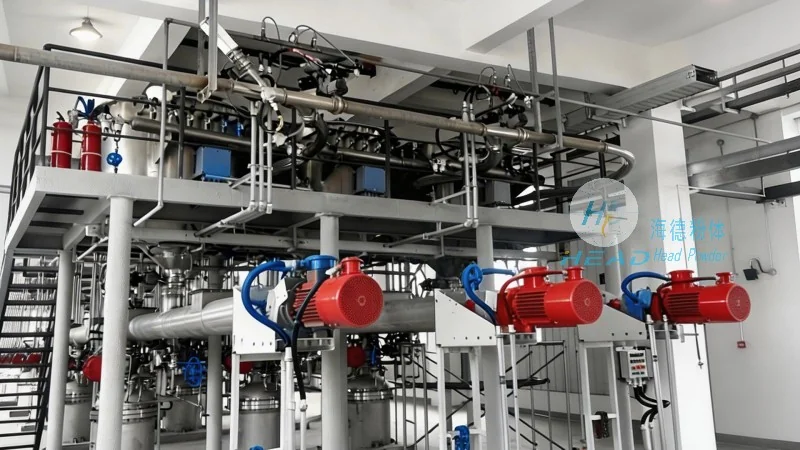
Applications and Industry Impact
Powder pneumatic conveying lines find widespread application across industries such as pharmaceuticals, food processing, chemical manufacturing, and mining. In the pharmaceutical sector, for instance, these systems are used to transport active pharmaceutical ingredients (APIs) and excipients with strict contamination control requirements, ensuring product purity and safety. In food processing, they handle powders like flour, sugar, and spices, maintaining hygiene standards and preventing cross-contamination. Chemical manufacturers rely on these systems to transport raw materials and finished products, often in hazardous environments where mechanical systems may pose safety risks. The ability to handle a wide range of materials, from fine powders to bulk solids, makes powder pneumatic conveying lines versatile and indispensable in modern industrial operations.
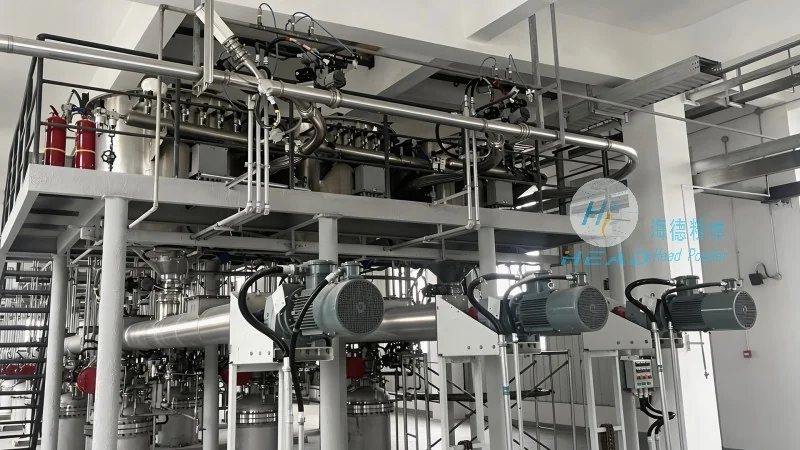
Advantages and Considerations in Practical Implementation
Implementing powder pneumatic conveying systems offers several advantages, including high efficiency in material transport, reduced labor costs due to automated operation, and the ability to handle materials in a closed system, minimizing dust emissions and environmental impact. However, practical considerations must be addressed to ensure optimal performance. For instance, the selection of appropriate pipeline materials is critical to prevent corrosion or material buildup, especially for corrosive or abrasive powders. Regular maintenance, including cleaning and inspection of components like filters and cyclones, is essential to maintain system efficiency and prevent downtime. Additionally, energy consumption is a key factor, as compressed air systems can be energy-intensive; therefore, optimizing air pressure and flow rates is vital for cost-effective operation. HeadPowder's expertise in system design and integration helps clients address these considerations, ensuring that their powder pneumatic conveying lines operate at peak efficiency while meeting industry standards and regulatory requirements.




