Lithium oxalate is a critical raw material in the battery industry, widely used in lithium-ion batteries for electric vehicles and energy storage systems. The efficient and safe transportation of lithium oxalate powder is essential for industrial production processes. Pneumatic conveying equipment, as a key solution for powder handling, plays a vital role in ensuring the smooth flow of lithium oxalate from production to processing stages. This article explores the concept of lithium oxalate pneumatic conveying equipment and delves into its design principles, providing insights into how such systems are engineered to meet industrial demands.
Understanding Lithium Oxalate Pneumatic Conveying Equipment
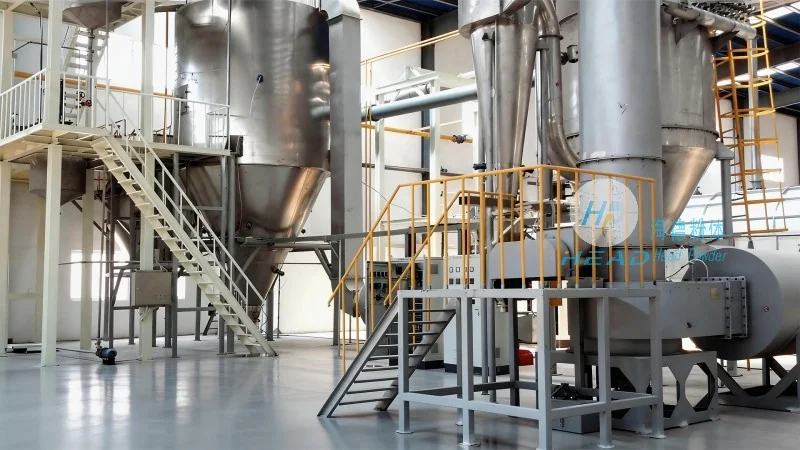
Lithium oxalate pneumatic conveying equipment is a specialized system designed to transport lithium oxalate powder through a pipeline using compressed air or other gas as the conveying medium. Unlike traditional mechanical conveying methods, pneumatic conveying offers advantages such as non-contact material handling, reduced contamination risk, and the ability to transport materials over long distances with minimal maintenance. The equipment typically consists of several key components, including a hopper for material storage, a feeder to control the flow rate, a conveying line, and a receiver for the material's final destination. Each component is carefully engineered to ensure efficient and reliable operation, making it suitable for high-volume production environments.
Key Design Principles of Pneumatic Conveying Systems
The design of lithium oxalate pneumatic conveying equipment is guided by several fundamental principles to optimize performance and safety. First, the system must ensure consistent and controlled material flow to prevent blockages or uneven delivery. This is achieved through precise control of air pressure and flow rates, which are critical factors in maintaining the stability of the conveying process. Second, the equipment must minimize material degradation and contamination. This is accomplished by using materials that are resistant to corrosion and abrasion, as well as designing components that prevent particle attrition during transport. Third, energy efficiency is a key consideration in modern pneumatic conveying systems. Engineers focus on optimizing air usage and reducing energy consumption through the use of efficient compressors and flow control mechanisms. Additionally, safety is paramount, with designs incorporating features like explosion-proof components and emergency shut-off systems to protect both personnel and equipment.
Components and Their Functions in Lithium Oxalate Pneumatic Conveying
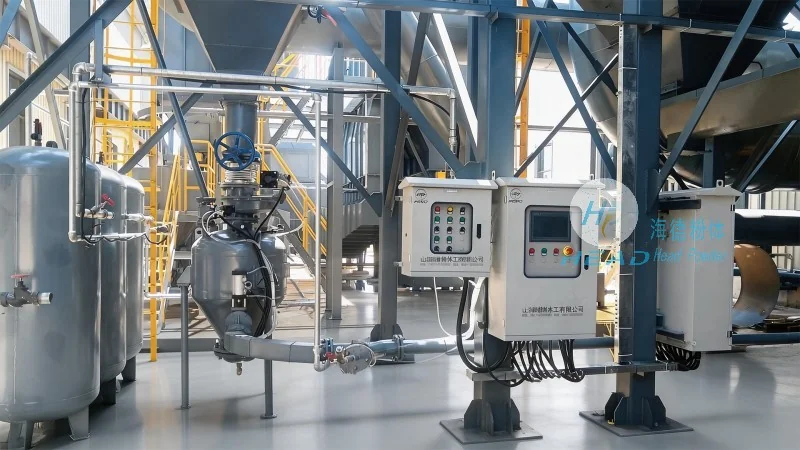
The effectiveness of a lithium oxalate pneumatic conveying system relies on the proper integration of its components. The hopper serves as the primary storage vessel, holding the lithium oxalate powder and providing a consistent feed to the feeder. The feeder, often a rotary valve or a screw feeder, regulates the amount of material released into the conveying line, ensuring a steady flow rate. The conveying line, typically made of stainless steel or other corrosion-resistant materials, transports the powder and air mixture. The receiver, positioned at the end of the line, collects the material and may include a dust collection system to prevent environmental contamination. Each component is designed to work in harmony, with the air compressor providing the necessary pressure to move the material through the system. The selection of materials for each part is crucial, as lithium oxalate can be abrasive and corrosive, requiring components that can withstand these conditions without degradation.
Advantages of Using Pneumatic Conveying for Lithium Oxalate
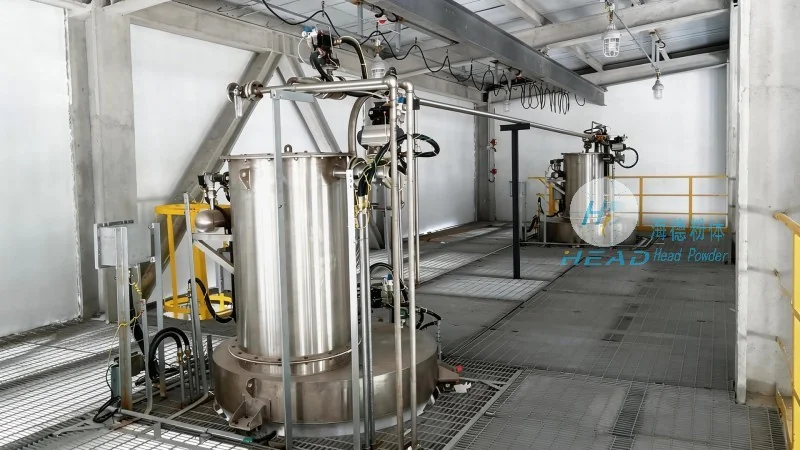
Implementing pneumatic conveying for lithium oxalate offers numerous benefits that enhance operational efficiency and product quality. One of the primary advantages is the ability to transport materials in a closed system, which minimizes exposure to dust and prevents contamination from external sources. This is particularly important for lithium oxalate, as it is a high-value material that requires strict purity standards. Additionally, pneumatic conveying allows for the integration of multiple production lines, enabling seamless material transfer between different stages of the battery manufacturing process. The system also reduces labor costs by automating the material handling process, minimizing the need for manual handling and associated risks. Furthermore, the flexibility of pneumatic conveying systems allows for easy expansion or modification as production needs change, providing long-term value to industrial operations.
HeadPowder Engineering: Experts in Lithium Oxalate Pneumatic Conveying Solutions
Shandong HeadPowder Engineering Co., Ltd. is a leading manufacturer specializing in the design and production of pneumatic conveying equipment for various industrial applications, including the battery industry. With years of experience in powder handling technology, HeadPowder has developed advanced solutions tailored to the unique requirements of lithium oxalate transportation. The company's team of engineers leverages cutting-edge technology and rigorous testing to ensure that each piece of equipment meets the highest standards of performance, safety, and durability. HeadPowder's commitment to quality is evident in its use of premium materials and adherence to international safety and environmental regulations. The company's facilities, located in Shandong, China, are equipped with state-of-the-art manufacturing equipment and quality control systems, enabling the production of reliable and efficient pneumatic conveying systems for clients worldwide.




