Carbide slag, a byproduct of the calcium carbide production process, poses significant challenges in handling and disposal due to its high moisture content, abrasive nature, and potential environmental hazards. Traditional methods of transporting such materials often involve high operational costs, equipment wear, and safety risks. To address these issues, the development of pneumatic conveying systems for carbide slag has become a critical solution in industrial applications. This article explores the concept of carbide slag pneumatic conveying equipment and delves into its underlying design principles, highlighting how these systems enhance efficiency, safety, and sustainability in material handling operations.
Understanding Carbide Slag and Its Handling Challenges
Carbide slag, also known as calcium carbide slag, is a solid waste generated during the production of calcium carbide. This material is characterized by its high alkalinity, moisture content, and abrasive properties, which make it difficult to handle using conventional methods such as belt conveyors or bucket elevators. The traditional approach often involves water quenching and subsequent dewatering, which can be energy-intensive and environmentally unfriendly. Moreover, the abrasive nature of carbide slag leads to rapid wear of equipment components, increasing maintenance costs and downtime. These challenges underscore the need for specialized equipment designed to handle such materials efficiently and safely.
The Core Components of Carbide Slag Pneumatic Conveying Systems
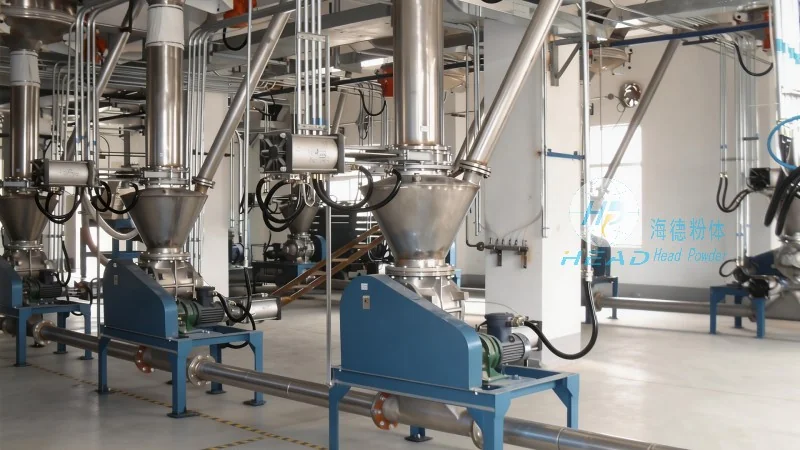
A pneumatic conveying system for carbide slag typically consists of several key components that work in tandem to transport the material from the source to the destination. The primary components include a material feed hopper, a rotary valve or feeder, a conveying pipeline, a pressure vessel or receiver, and a dust collector. Each component plays a crucial role in ensuring the smooth and efficient operation of the system.
The material feed hopper is responsible for storing the carbide slag and regulating the flow of material into the system. It is designed to handle the bulk volume of the material and prevent blockages. The rotary valve or feeder then controls the rate at which the material is fed into the conveying pipeline, ensuring a consistent flow rate. This component is critical for maintaining system stability and preventing overloading of the pipeline.

The conveying pipeline is the main channel through which the carbide slag is transported. It is typically made of high-strength, wear-resistant materials such as stainless steel or special alloys to withstand the abrasive nature of the material. The pipeline is designed with smooth internal surfaces to minimize friction and reduce wear. The system may use either positive or negative pressure to move the material, depending on the specific application and material characteristics.
The pressure vessel or receiver is used to collect the conveyed material at the end of the pipeline. It is equipped with a dust removal system to capture any fine particles that may escape during the conveying process. This component is essential for maintaining air quality and preventing environmental contamination. The dust collector may use cyclone separators or bag filters to separate the solid particles from the air stream.
Design Principles for Efficient Carbide Slag Pneumatic Conveying
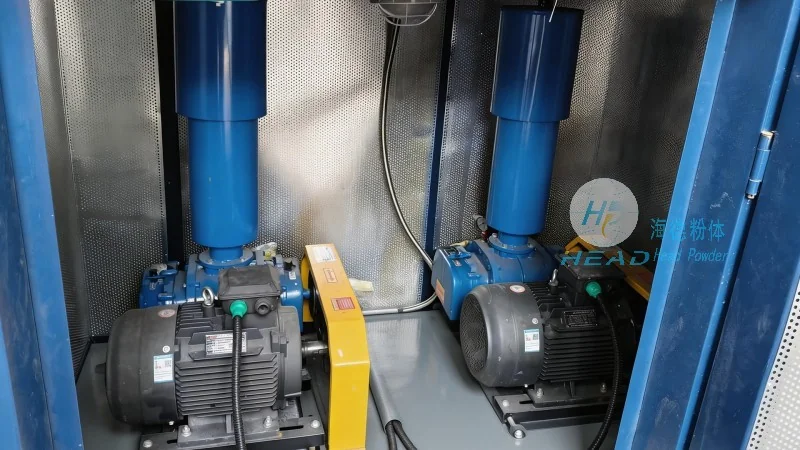
The design of a carbide slag pneumatic conveying system is based on several key principles aimed at optimizing performance, reliability, and safety. The first principle is the selection of appropriate air velocity and pressure. The air velocity must be high enough to entrain the material particles but low enough to prevent excessive wear on the pipeline and components. The pressure level is determined by the distance and elevation changes between the source and destination, as well as the material's density and flow characteristics.
The second principle is the consideration of material properties. Carbide slag is highly abrasive, and therefore, all components in contact with the material must be made of wear-resistant materials. The design also takes into account the material's moisture content, as high moisture levels can affect the air flow and increase the risk of blockages. The system may include moisture control measures, such as pre-drying or heating, to improve conveying efficiency.
The third principle is the integration of safety features. Carbide slag can be hazardous due to its alkaline nature and potential for dust explosions. The design incorporates safety mechanisms such as explosion-proof valves, pressure relief devices, and dust suppression systems to mitigate these risks. Additionally, the system is equipped with monitoring and control systems to ensure proper operation and detect any abnormalities in real-time.
Advantages of Carbide Slag Pneumatic Conveying Equipment
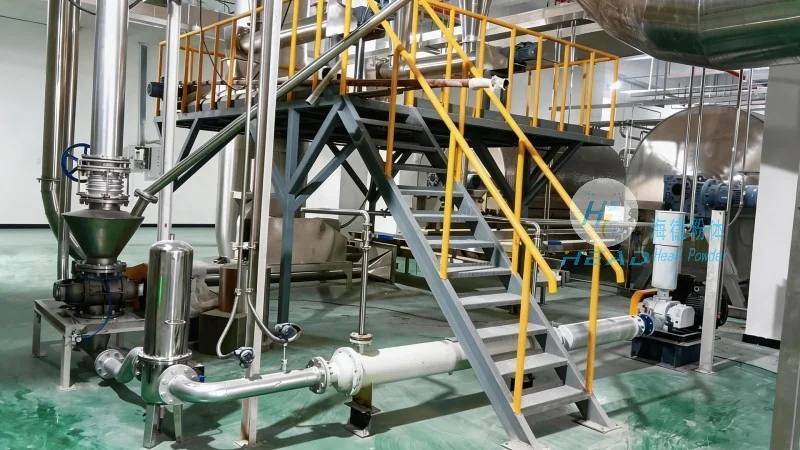
The adoption of pneumatic conveying systems for carbide slag offers several advantages over traditional handling methods. Firstly, it significantly reduces operational costs by eliminating the need for water quenching and dewatering processes. The system also minimizes equipment wear and maintenance costs due to the smooth operation and reduced friction. Secondly, it enhances safety by eliminating the need for manual handling of abrasive and hazardous materials, reducing the risk of accidents and injuries.
Thirdly, the system improves environmental sustainability by reducing water usage and minimizing the generation of secondary waste. The dust collection system ensures that the air emissions are controlled, preventing environmental contamination. Finally, the system provides greater flexibility in material handling, allowing for easy integration with other industrial processes and the ability to transport materials over long distances without the need for intermediate storage.
Conclusion and Application Scope
In conclusion, carbide slag pneumatic conveying equipment represents a sophisticated solution to the challenges associated with handling calcium carbide slag. By leveraging pneumatic technology, these systems offer efficient, safe, and environmentally friendly material transport solutions. The design principles, which focus on material properties, operational efficiency, and safety, ensure that the equipment can handle the abrasive and hazardous nature of carbide slag effectively. As industries continue to seek sustainable and cost-effective solutions for waste management, the application of such equipment is likely to expand, contributing to improved industrial practices and environmental protection.




