

Principles and Working Scene Characteristics of Fully Automatic Pneumatic Conveying
For industrial operations that require efficient and reliable material handling, fully automatic pneumatic conveying systems offer a sophisticated solution. These systems are designed to transport bulk materials through a network of pipes using air pressure, providing a seamless and often dust-free method of material movement. In this article, we explore the core principles behind these systems and the distinct characteristics of their working scenes, with a focus on the applications and benefits they deliver in various industrial settings.
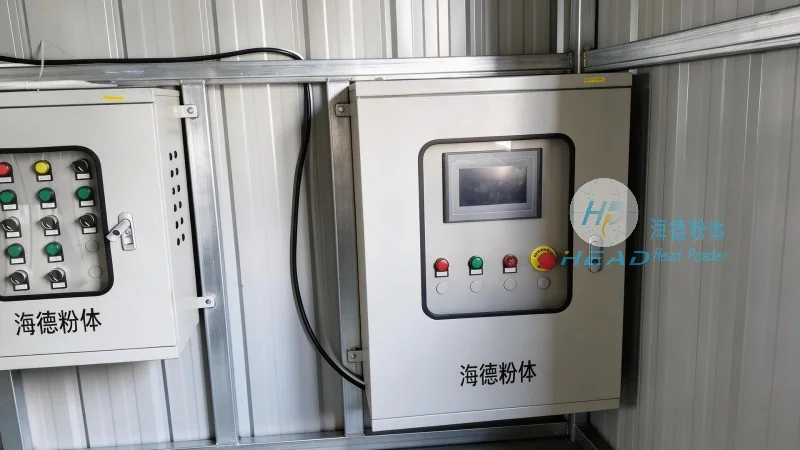
Introduction to Fully Automatic Pneumatic Conveying Systems
HeadPowder, a leading provider of material handling solutions, specializes in the design, manufacturing, and implementation of fully automatic pneumatic conveying systems. Based in Shandong, China, the company leverages advanced engineering and technology to deliver systems tailored to the specific needs of different industries. The fully automatic nature of these systems ensures minimal human intervention, enhancing operational efficiency and reducing labor costs. This article delves into the fundamental principles and practical working characteristics of such systems, highlighting their role in modern industrial processes.
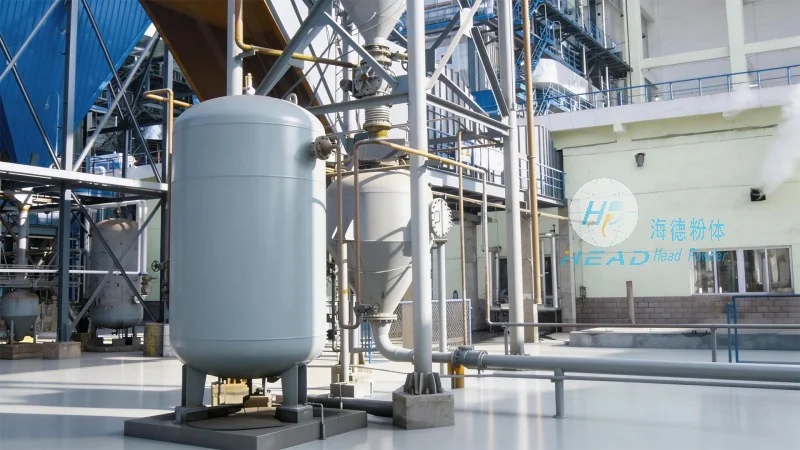
Working Principles of Pneumatic Conveying
The core principle of pneumatic conveying is the use of air to move materials through a sealed system. In a fully automatic setup, the process typically involves several key components: a material hopper, a feeder, a conveying line, and a receiver. The system operates by drawing air into the conveying line, which then transports the material particles suspended in the air stream. The air is often supplied by a blower or a vacuum pump, creating the necessary pressure or suction to move the material. The fully automatic aspect is achieved through integrated controls that regulate the flow of material and air, ensuring consistent and continuous operation without manual adjustments. This automated control system optimizes the conveying process, minimizing downtime and maximizing throughput.
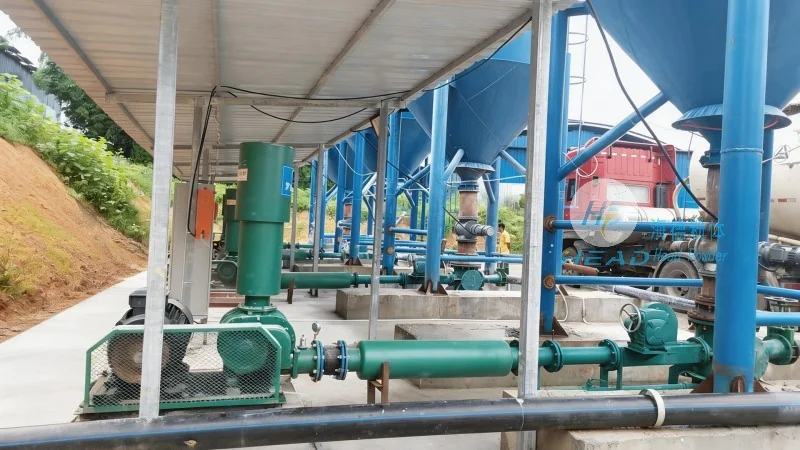
Key Working Scene Characteristics
One of the most notable characteristics of fully automatic pneumatic conveying systems is their adaptability to diverse working environments. These systems are designed to handle a wide range of materials, from fine powders to bulk granules, with varying particle sizes and densities. The working scene characteristics include high efficiency, low maintenance requirements, and the ability to operate in both positive and negative pressure modes. In positive pressure systems, air is forced through the conveying line, pushing the material forward, while negative pressure systems use suction to draw material into the line. The fully automatic nature ensures that the system can adjust to changes in material flow, such as variations in feed rate or material consistency, maintaining stable performance. Additionally, these systems are often equipped with sensors and monitoring systems that provide real-time data on operational parameters, allowing for proactive maintenance and optimization.
Application Examples and Benefits
Fully automatic pneumatic conveying systems are widely used in various industries, including pharmaceuticals, food processing, chemical manufacturing, and mining. In the pharmaceutical industry, for example, these systems are crucial for handling sensitive powders, ensuring that the material remains sterile and free from contamination. The food processing sector benefits from the hygienic design of these systems, which prevents cross-contamination and maintains product quality. In chemical manufacturing, the systems handle hazardous materials safely, reducing the risk of exposure for operators. The key benefits of these systems include improved safety, reduced labor costs, increased productivity, and enhanced product quality. By automating the material handling process, companies can achieve higher throughput and lower operational costs, making fully automatic pneumatic conveying a cost-effective solution for modern industrial operations.
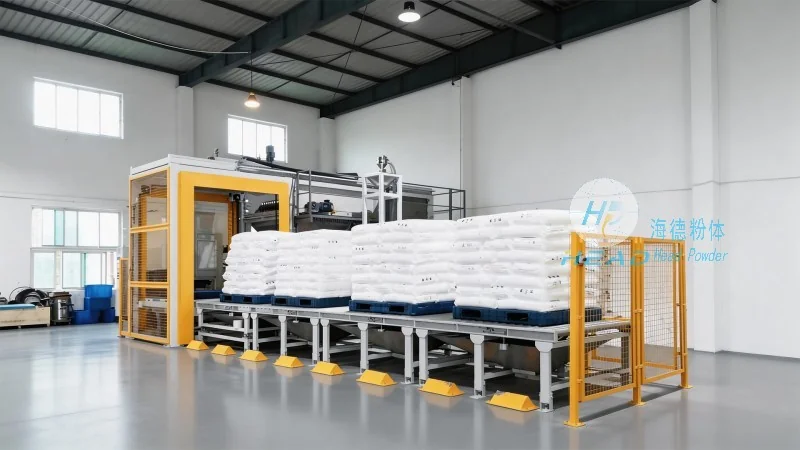
Conclusion
As industrial demands for efficient and reliable material handling continue to grow, fully automatic pneumatic conveying systems remain a vital component of modern manufacturing processes. HeadPowder, with its expertise and commitment to quality, provides cutting-edge solutions that meet the evolving needs of various industries. The principles and working characteristics of these systems, combined with their adaptability and efficiency, make them an ideal choice for businesses seeking to optimize their material handling operations. By understanding the core concepts and practical applications of fully automatic pneumatic conveying, companies can make informed decisions to enhance their operational performance and achieve long-term success.