

Operation Process and Working Principle of Mine Material Pneumatic Conveying Equipment
HeadPowder Engineering, a leading provider of industrial material handling solutions, specializes in the design, manufacturing, and implementation of pneumatic conveying equipment tailored for mining operations. This article delves into the operational processes and underlying principles of such systems, highlighting their efficiency and reliability in transporting bulk materials within mine sites.
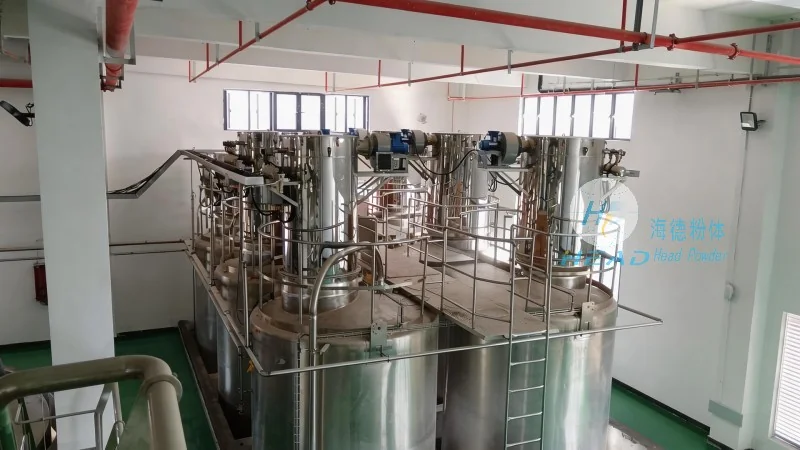
Key Components and Their Roles
The core of a pneumatic conveying system for mine materials typically includes several essential components. The system begins with a material hopper or feeder, which stores and regulates the flow of bulk materials such as ore, rock, or crushed minerals. This component ensures a consistent feed rate, preventing blockages and maintaining system stability. Next, the material is introduced into a pipeline where it is mixed with a carrier gas, usually air or a combination of air and other gases, under controlled pressure. The pipeline network then transports the material to the discharge point, which may be a storage silo, processing unit, or other destination within the mine facility.
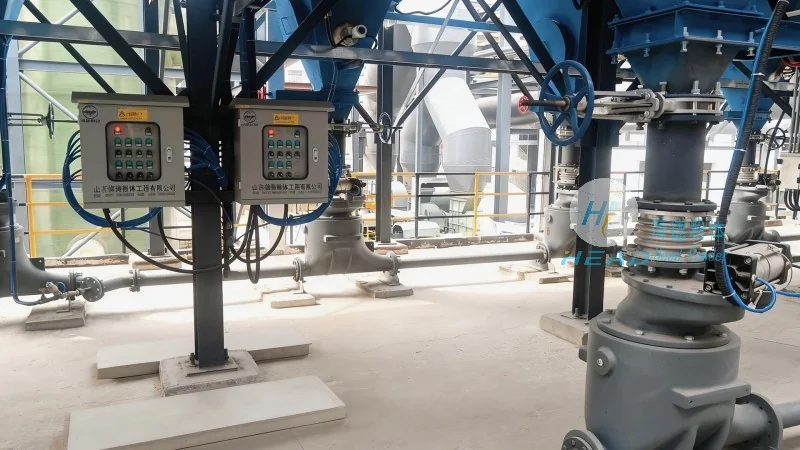
Working Principle: The Mechanism of Material Transport
The fundamental principle behind pneumatic conveying is the use of gas flow to move solid particles through a pipeline. In a typical system, the carrier gas is pressurized and directed through the pipeline, creating a flow that entrains the solid material. This process, known as pneumatic transport, relies on the interaction between the gas and the particles to achieve movement. The system can operate in either positive pressure or negative pressure modes. In positive pressure systems, the entire pipeline is pressurized above atmospheric pressure, ensuring that material is pushed through the system. Conversely, negative pressure systems create a vacuum at the discharge end, drawing material from the hopper and pulling it through the pipeline. Both methods are effective, with the choice depending on the specific application, material characteristics, and system layout.
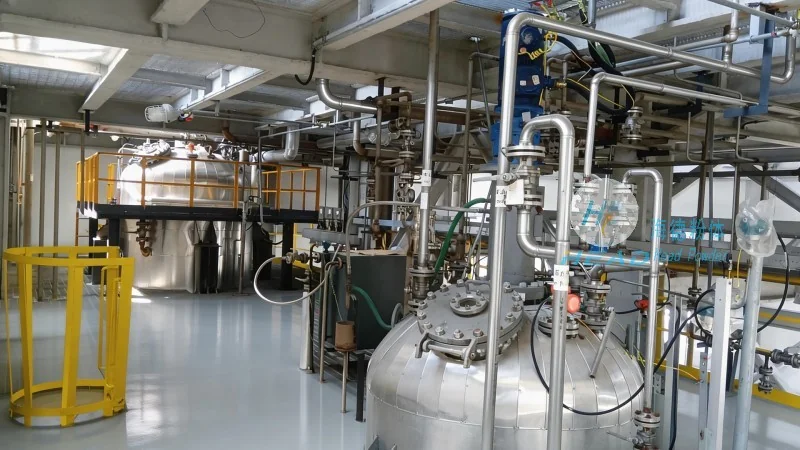
Operational Process: From Loading to Discharge
The operational process of a mine material pneumatic conveying system involves several sequential steps. First, the material is loaded into the hopper, where it accumulates until the system is ready to transport it. The feeder then regulates the flow, ensuring a steady stream of material enters the pipeline. Simultaneously, the carrier gas is pressurized and introduced into the pipeline. As the gas flows, it entrains the solid particles, forming a slurry-like mixture that travels through the pipeline. The system's control mechanisms monitor pressure, flow rate, and material level to maintain optimal performance. At the discharge point, the gas and material separate. The gas is typically filtered and recycled back into the system, while the material is collected in the designated storage or processing area. This cycle repeats continuously, enabling the efficient movement of large volumes of mine materials without the need for mechanical conveyors like belts or buckets.
Advantages and Applications in Mining
Pneumatic conveying systems offer numerous advantages for mine operations. They provide a dust-free and enclosed transport method, reducing environmental impact and improving worker safety. Unlike mechanical systems, they can handle a wide range of materials, including abrasive or corrosive substances, without causing wear or damage. The flexibility of the pipeline layout allows for easy integration into existing mine infrastructure, adapting to changing operational needs. These systems are particularly beneficial in underground mining, where space is limited and the need for efficient material movement is critical. They also facilitate the transport of materials over long distances or through complex layouts, such as vertical shafts or winding roads, with minimal maintenance requirements.
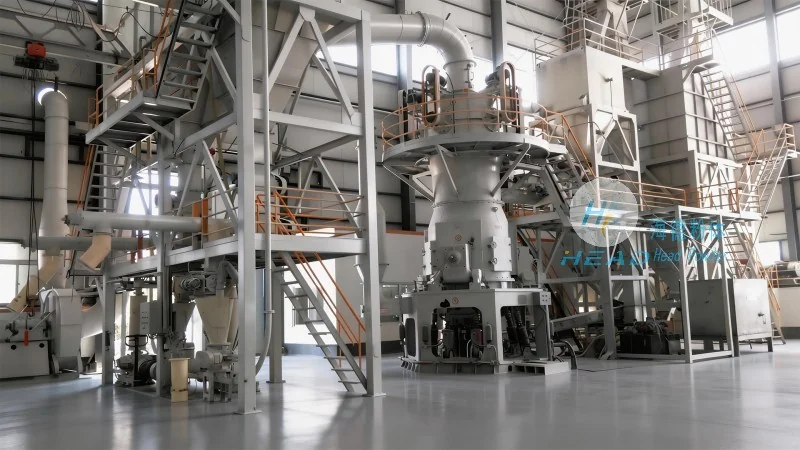
Conclusion and Company Overview
HeadPowder Engineering, based in Shandong, China, is dedicated to delivering high-quality pneumatic conveying solutions for the mining industry. By understanding the unique challenges of mine material handling, the company designs systems that optimize efficiency, reliability, and safety. With a focus on innovation and customer satisfaction, HeadPowder Engineering continues to enhance the performance of pneumatic conveying equipment, supporting the sustainable development of mining operations worldwide.