HeadPowder, a leading provider of material handling solutions, specializes in the efficient and reliable transport of nickel powder through pneumatic conveying systems. This article explores the fundamental working principles and key characteristics of such systems, offering insights into their application and performance in industrial settings.
Understanding the Working Principle of Pneumatic Conveying for Nickel Powder
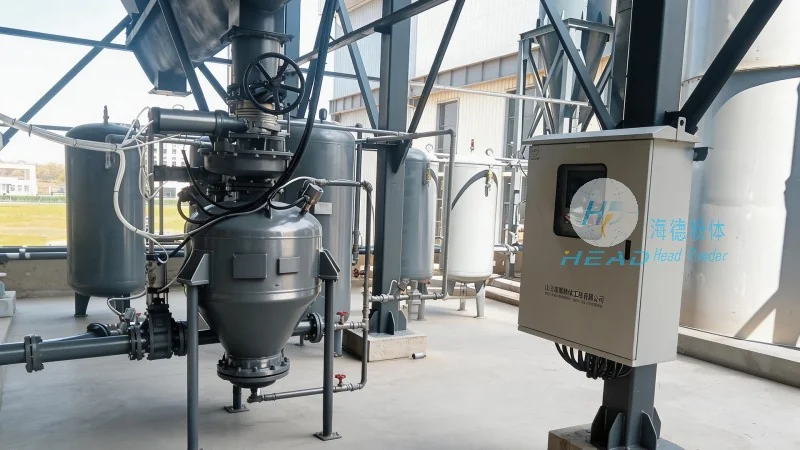
Pneumatic conveying, also known as pneumatic transport, is a method of moving bulk materials like nickel powder through a pipeline using a gas stream, typically air or other gases. The process involves several critical components and steps that ensure the material is transported safely and effectively. The primary working principle revolves around creating a pressure differential or using a vacuum to draw the powder into the conveying line. In most cases, compressed air is used as the driving force, generating sufficient velocity to entrain the powder particles and move them along the pipeline.
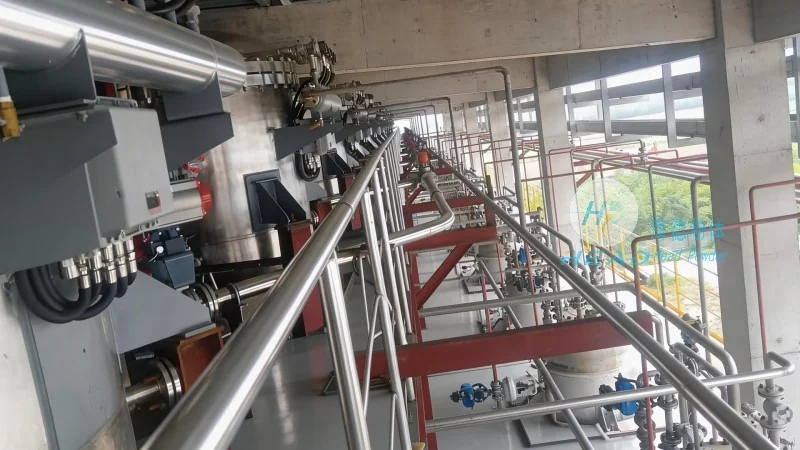
The system typically consists of a hopper or feeder where the nickel powder is stored, a conveying line (often made of stainless steel to prevent corrosion), and a receiver or discharge point where the material is deposited. The process begins when the powder is released from the hopper, and the air flow is initiated. The air velocity is carefully controlled to ensure that the powder particles are fully entrained without causing excessive wear on the system components. The conveying line may include bends, expansions, or other fittings, which are designed to minimize pressure loss and maintain the material's flow.
Key Characteristics of Pneumatic Conveying Systems for Nickel Powder
When applied to nickel powder, pneumatic conveying systems exhibit several distinct characteristics that make them suitable for handling this material. First, the system is designed to handle fine, abrasive particles, which can be challenging for other transport methods. The use of stainless steel components and proper maintenance ensures that the system can withstand the wear caused by the nickel powder, extending its operational life.
Another important characteristic is the ability to maintain a consistent flow rate and pressure, which is crucial for maintaining the quality of the powder. Pneumatic conveying systems can be configured as either pressure or vacuum systems. Pressure systems use compressed air to push the material forward, while vacuum systems use a vacuum to pull the material from the source. For nickel powder, pressure systems are often preferred due to their ability to handle longer distances and larger quantities of material.
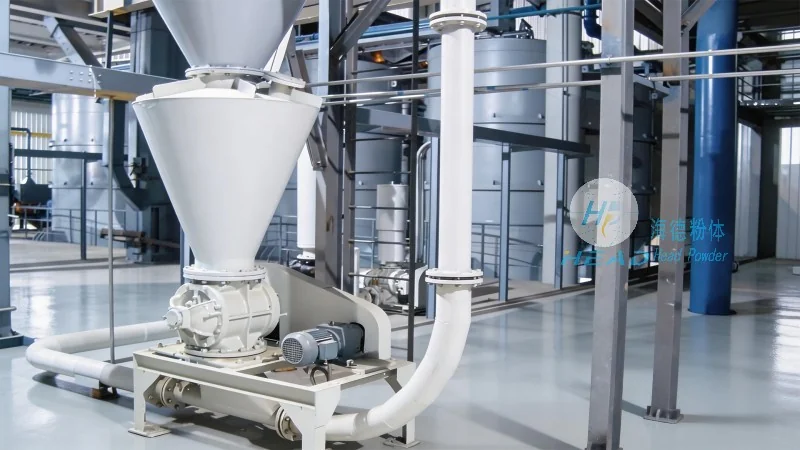
The system also offers advantages in terms of cleanliness and containment. Since the material is transported within a sealed pipeline, there is minimal risk of dust dispersion into the environment, which is critical for maintaining safety and compliance with environmental regulations. Additionally, the sealed system prevents contamination from external sources, ensuring the purity of the nickel powder remains intact throughout the conveying process.
Applications and Benefits in Industrial Settings
Pneumatic conveying systems for nickel powder are widely used in various industrial applications, including mining, metallurgy, and chemical processing. The ability to transport the material without the need for mechanical components reduces maintenance costs and increases operational efficiency. The system's flexibility allows it to be integrated into existing production lines, making it a cost-effective solution for material handling needs.
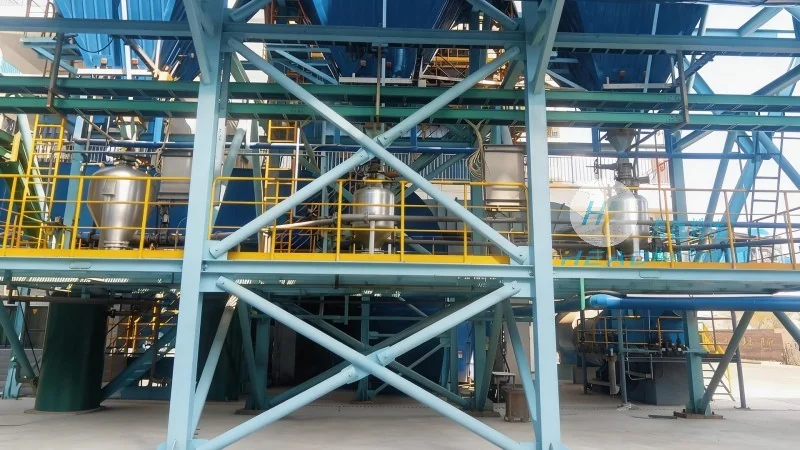
Furthermore, the system's ability to handle both dry and wet powder applications makes it versatile. For nickel powder, which is often used in high-purity applications, the sealed and controlled environment of the pneumatic system ensures that the material remains free from contaminants, meeting stringent quality standards required in industries such as aerospace and electronics.
Conclusion
HeadPowder Engineering Co., Ltd., based in Shandong, China, specializes in designing and manufacturing pneumatic conveying systems tailored to the specific needs of nickel powder handling. By leveraging the fundamental principles of pneumatic transport and incorporating advanced materials and engineering, their systems provide reliable, efficient, and safe solutions for industrial material handling. The characteristics of these systems, including their ability to handle abrasive materials, maintain purity, and ensure environmental compliance, make them an ideal choice for industries relying on nickel powder in their production processes.




