

Working Principle and Characteristics of Air-Pneumatic Conveying for Liquor Fermented Curd Material
HeadPowder, a prominent engineering firm headquartered in Shandong, China, is dedicated to providing innovative material handling solutions. This article delves into the working principle and distinctive features of air-pneumatic conveying systems specifically designed for the transport of liquor fermented curd materials. Such systems are integral to modern liquor production, offering a reliable method to move bulk materials while maintaining product integrity and operational efficiency.
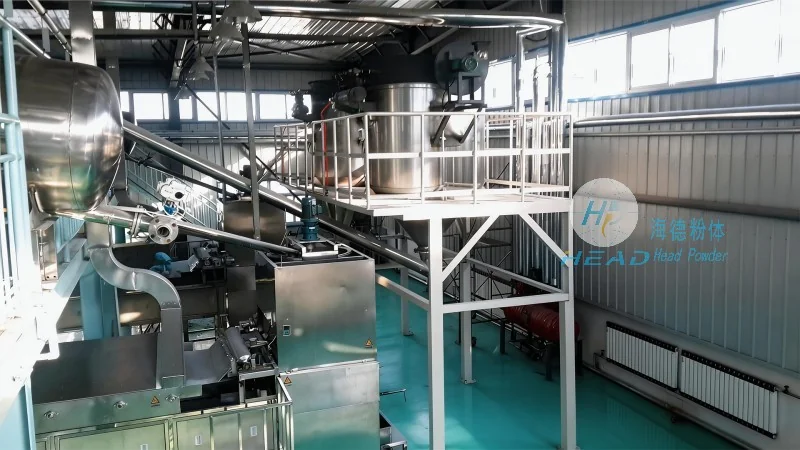
The Working Principle of Air-Pneumatic Conveying
At the heart of air-pneumatic conveying is the utilization of air pressure and vacuum to move materials through a pipeline network. The process begins with the material being introduced into the system, usually via a hopper or feeder. Subsequently, a fan or blower generates the necessary airflow, either by creating a positive pressure (pressure conveying) or a negative pressure (vacuum conveying). The fermented curd material is then entrained by the air stream and transported through the pipeline to the discharge point. The system can be configured in various operational modes, such as dilute phase or dense phase, which are selected based on the material's physical properties and the desired conveying efficiency. Dilute phase conveying involves a low concentration of material in the air stream, suitable for fine powders or small particles, while dense phase conveying uses higher material concentrations, ideal for handling bulkier materials like fermented curd.
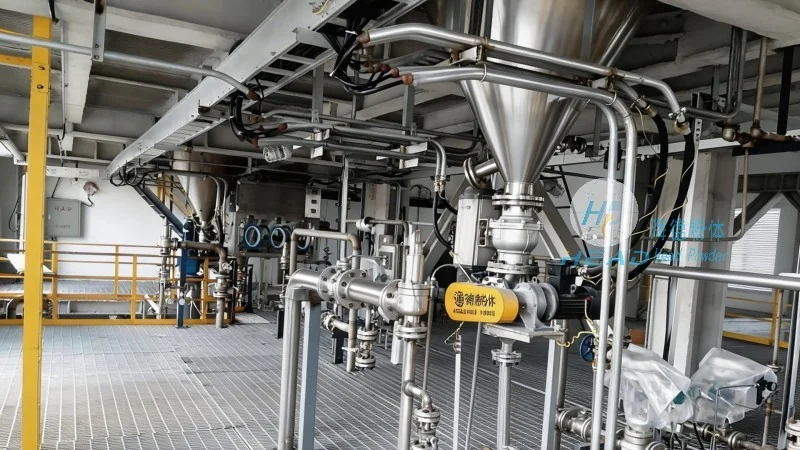
Key Characteristics of Air-Pneumatic Conveying Systems
Several notable characteristics define the performance and applicability of air-pneumatic conveying systems for fermented curd materials. Firstly, the enclosed pipeline design ensures a dust-free and hygienic environment, which is critical for food and beverage applications. This design prevents contamination and preserves the quality and flavor of the fermented curd, meeting stringent industry standards. Secondly, the system offers high flexibility in terms of layout and integration. It can be easily adapted to existing production lines, allowing for seamless incorporation without extensive structural modifications. Thirdly, the technology is capable of handling a wide range of material sizes and shapes, including irregularly shaped fermented curd pieces. This versatility ensures that the system can accommodate various production requirements. Additionally, air-pneumatic conveying provides precise control over material flow rates and pressure, enabling consistent performance in production processes. The system's ability to transport materials over long distances with minimal maintenance further enhances its cost-effectiveness, making it an attractive option for large-scale liquor manufacturing facilities.
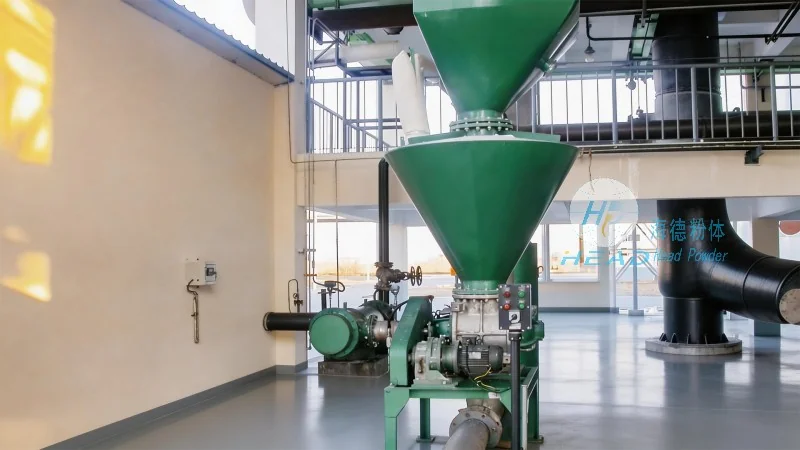
Advantages and Practical Implementation
When applied to the liquor production industry, air-pneumatic conveying systems offer several distinct advantages. The enclosed design helps maintain the quality and flavor of the fermented curd by protecting it from external contaminants and moisture. This is particularly important as fermented curd is a sensitive component in liquor production, where any degradation can impact the final product's quality. The system also reduces labor costs by automating the material transport process, which is beneficial in large-scale operations where manual handling is impractical. Furthermore, the flexibility of the system allows for easy adjustments to production schedules, enabling manufacturers to respond quickly to market demands. In practical terms, the system can be integrated into existing production lines with minimal disruption, ensuring a smooth transition to automated material handling. The reliability of air-pneumatic conveying, with its low maintenance requirements and consistent performance, makes it a preferred choice for long-term use in liquor manufacturing facilities.